Dedicated to Justice.
Devoted to You.
Winning for Your Future.
Devoted to You.
Winning for Your Future.


Vahdat Weisman Law represents people injured in slip and fall accidents throughout Michigan and in other parts of the United States. A fall can change a person’s life in a matter of seconds, resulting in fractures, head trauma, spinal injuries, and long recoveries. Our slip-and-fall lawyers’ role is to move quickly, preserve crucial evidence, and build a clear, fact-based case demonstrating that the property owner, property manager, contractor, or other responsible parties failed to act reasonably under the circumstances. We combine a thorough investigation, strategic negotiation, and our litigation experience to pursue the full compensation that Michigan law allows for our clients.
A slip-and-fall claim is a type of premises liability case. It arises when a person is injured because a property owner or occupier failed to keep the premises reasonably safe or failed to warn of hazards that were not readily apparent. These cases include injuries in grocery stores, parking lots, apartment complexes, hotels, office buildings, nursing homes, hospitals, schools, and private residences. The core question is whether the responsible party exercised reasonable care. If they did not and their failure caused your injury, you may have a claim for damages.
In Michigan, the duty of care generally depends on control over the property. Owners, landlords, tenants, property managers, contractors, and snow and ice removal contractors may each have responsibilities tied to their control or contractual obligations. Invitees, such as shoppers and tenants, are owed the highest duty of reasonable care, which includes inspecting for hazards, fixing them within a reasonable time, and warning visitors when immediate repair is not feasible. Licensees, such as social guests, must be warned about known dangers that are not obvious. Trespassers are owed a more limited duty, but they still must not be intentionally harmed. Special rules may also apply when children are involved. Our team carefully evaluates your status, all applicable contracts, and every potential defendant’s control to identify all parties who may share liability for your injuries.
To recover in a slip and fall case, the injured person must prove four elements: duty, breach, causation, and damages. Duty concerns the legal obligation the defendant owed under the circumstances. Breach is the failure to act as a reasonably careful person or company would. Causation requires proof that the defendant’s breach was a factual and legal cause of the fall and the injuries. Damages include medical costs, lost wages, diminished earning capacity, pain and suffering, and other losses recognized by law. We develop each element with documentation, witness testimony, physical evidence, expert analysis, and medical proof.
A common defense in premises liability cases is that the owner did not know about the hazard. Michigan law allows injured people to prove notice in several ways. Actual notice exists when the owner or its employees knew about the condition. Constructive notice can be shown when the hazard existed long enough that a reasonable owner would have discovered and fixed it with a proper inspection. Stores and facilities are expected to have reasonable inspection schedules, appropriate staffing, and written procedures that are followed in practice, not just on paper. We obtain surveillance footage, sweep logs, maintenance records, vendor contracts, and employee training materials to establish what should have been done and when.
Michigan courts have recently refined how visibility of a hazard is evaluated. Whether a danger was visible or could be seen with ordinary care is no longer a complete shield to liability in every case. It is part of the breach analysis and may also factor into the jury’s comparative-fault determination. That means a property owner cannot avoid responsibility simply by arguing that a hazard might have been noticed. Rather, the focus is on whether the owner acted reasonably in preventing or addressing the danger under the circumstances. This modern approach places the emphasis where it belongs: on the conduct of both parties and the reasonableness of the precautions actually taken.
Michigan law follows a “comparative fault” framework. If an injured person is found to share some responsibility for their injuries, their damages can be reduced by their percentage of fault. If a plaintiff is more than 50% at fault, certain noneconomic damages may be limited. Insurance companies often push aggressive comparative-fault arguments, claiming a visitor was distracted, wore improper footwear, ignored warnings, or walked outside designated paths. We meet these tactics with evidence-driven proof, showing the true condition of the property, the lack of reasonable inspection and maintenance, inadequate lighting or signage, and the foreseeability of the hazard.
Our cases frequently involve liquid and food spills in supermarkets, tracked-in water or snow at entrances, ice accumulation from improper snow removal or downspout placement, uneven pavement or broken curb faces in parking lots, loose rugs or bulging carpeting, broken handrails and stairs that do not comply with code, inadequate lighting in hallways and exterior areas, construction debris and unsafe work zones, cleaning solutions without wet floor signs, and transitioning unusually slippery floor surfaces. Each hazard is evaluated against safety codes, industry standards, and reasonable maintenance practices for the type of property and the weather conditions at the time.
Michigan winters present recurring dangers. Reasonable care in snow-and-ice cases includes timely plowing and salting, addressing refreezing conditions, designing downspouts to avoid discharging water onto walkways, and choosing surface materials that maintain traction. What is reasonable depends on weather severity, timing, and prior knowledge of so-called “trouble spots.” We routinely secure weather data, service logs, and vendor contracts to show whether the response matched the conditions. Michigan law does not require perfection, but it does require reasonable measures proportionate to foreseeable risks.
The earliest hours after a fall are critical. Photos and videos of the scene, the footwear worn, witness names and contact information, incident reports, and immediate medical documentation can be decisive. Surveillance footage often overwrites within days. Sweep logs and maintenance records may be retained only for short periods. We send preservation letters, secure time-stamped media, and move quickly to retain experts in human factors, building codes, safety engineering, and meteorology when appropriate. If you still have the shoes you wore, do not use them again; keep them in their post-incident condition, as they may be important evidence.
Your health comes first. Prompt medical evaluation establishes a baseline for diagnosis and treatment and documents the causation of injury. Keep all discharge instructions, prescriptions, therapy plans, and work restrictions. Track out-of-pocket costs and missed work. Damages in Michigan premises liability cases can include past and future medical expenses, wage loss, diminished earning capacity, household and attendant care needs, pain and suffering, loss of enjoyment of life, and, in some cases, scarring and disfigurement. When injuries are serious or long-lasting, we work with treating physicians and independent experts to quantify future care and economic loss.
Property insurers and third-party administrators are trained to minimize insurance payouts. They may request recorded statements, medical authorizations that are too broad, or early settlements before you know the full extent of your injuries. Speak with counsel before giving a statement or signing any documents. Our team handles communications, preserves your rights, and presents your claim with organized evidence and a clear theory of liability. This way, negotiations focus on facts, not speculation.
In Michigan, most personal injury claims, including premises liability cases, must be filed within a set time period: typically three years from the date of injury. Claims involving public entities, buildings, sidewalks, or roadways can have shorter notice deadlines and additional procedural rules. If your fall occurred on government property or involved a municipality, school, or public authority, quick action is essential to meet the required written notice requirements. Because deadlines vary by case type and defendant, you should contact counsel as soon as possible so your rights are protected.
Our approach in negligence cases is systematic. We identify every entity with control over the property, including everyone from the owners and managers to the janitorial vendors and snow-removal contractors. We gather contracts and other documentation to outline the scope of each entity’s work to define duties. We analyze policies and procedures to test whether inspections were frequent enough, whether staff were trained, and whether repairs were timely. We compare the actual conditions to safety standards and code requirements. Then we use timelines to determine when the hazard was created, when the inspection schedule was set, and when the injury occurred. We retain the right experts and prepare exhibits that make complex concepts understandable to a jury. The goal is to tell a persuasive story built on documents and data, not assumptions.
After a slip-and-fall, you should prioritize your safety and well-being. If you can do so safely, we typically recommend the following steps as well:
After taking these steps, contact Vahdat Weisman Law to discuss next steps, including preserving surveillance footage and securing maintenance records before they are lost.
Our slip-and-fall accident attorneys begin every case with a detailed consultation to understand how the injury occurred and how it has affected your life. We investigate liability, evaluate medical and economic damages, and advise you on strategy. Many claims are resolved through negotiation or mediation when insurers see organized proof and a credible trial plan. If a fair resolution is not offered, we are prepared to file suit and present your case to a jury. We handle slip-and-fall cases on a contingency-fee basis, which means you pay no attorney’s fee unless we recover compensation for you. We advance case costs, which are repaid at the conclusion of the matter, in accordance with your written fee agreement.
Our firm combines meticulous case preparation with courtroom readiness. We have years of hands-on experience with complex liability issues, including multi-party control of land and buildings, contractor and subcontractor duties, and winter weather protocols. We practice statewide from our office in Livonia and accept matters throughout Michigan and other parts of the United States. We also have a reputation for keeping clients informed at every step of the process, returning calls promptly, and moving cases forward thoroughly and efficiently. Our objective is simple: position your case for the strongest possible outcome through detailed preparation and zealous advocacy.
If you have a question about a slip-and-fall case, call us. These are some of the most common questions we get, but we are always available to answer the specific questions you may have, too.
How long do I have to file a claim?
Many cases must be filed within three years, but shorter notice deadlines can apply to public entities, so contact counsel promptly.
What if I were looking at my phone when I slipped and fell?
Comparative fault may reduce the damages that you can recover, but it does not automatically prevent recovery if the property owner failed to act reasonably.
What if there were a wet floor sign?
A warning is one factor, but it does not excuse the property owner’s or occupier’s failure to clean spills, fix defects, or use barriers when a hazard persists.
What if the hazard was ice or packed snow?
Reasonable winter maintenance requires timely treatment and attention to refreeze and drainage patterns. If the defendant did not do what a reasonable person would have done under the same or similar circumstances, you have a compelling case.
Do I need an attorney?
Serious injuries, disputed liability, or complex insurance issues are strong reasons to retain counsel early. While it is possible to file a claim yourself, the likelihood of leaving potential recovery on the table without experienced counsel is always high.
If you or a loved one has been injured in a slip-and-fall in Michigan, contact Vahdat Weisman Law in Livonia at (734) 469-4994 today. We will listen to your story, explain your legal options, and take immediate steps to protect your rights. Our firm handles cases throughout Michigan and in other parts of the country. Schedule a consultation now so we can begin investigating your case, preserve favorable evidence, and pursue the compensation you deserve.
Disclaimer: This information is for educational purposes only and does not constitute legal advice. Every case is unique, and prior results do not guarantee future success.


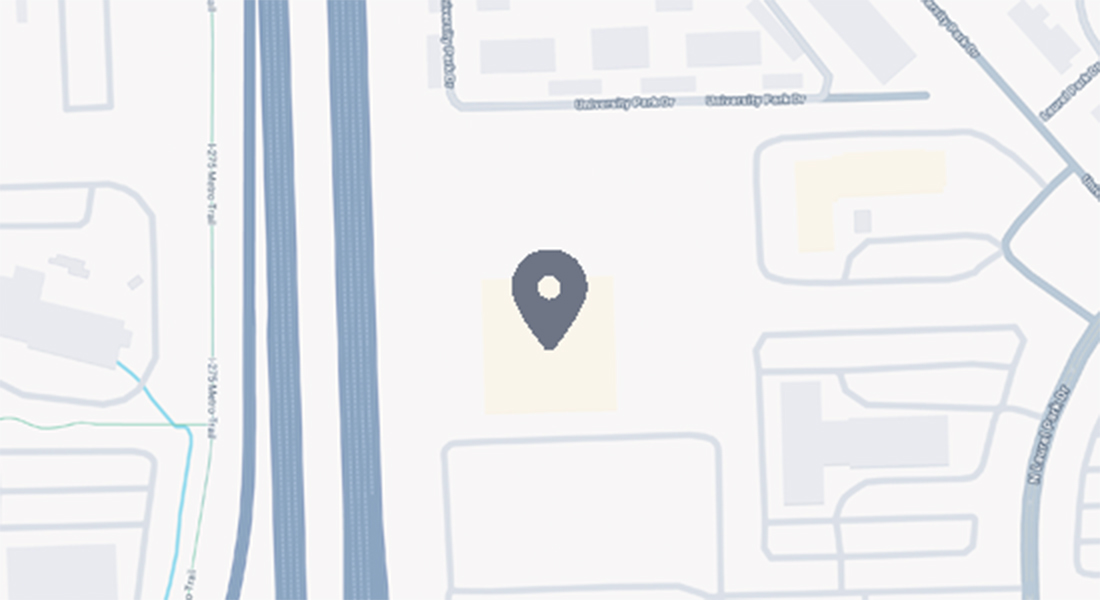
Fighting for injury victims across Michigan, proudly serving clients statewide from our office in Livonia.