Dedicated to Justice.
Devoted to You.
Winning for Your Future.
Devoted to You.
Winning for Your Future.


At Vahdat Weisman Law, our swimming pool injury lawyers are meticulous in their investigations, careful in their case strategy, and unwavering in their advocacy for clients. From our office in Livonia, Michigan, we represent individuals and families across Michigan and in other jurisdictions throughout the United States in swimming pool injury cases. Whether an injury occurs at a private residence, hotel, short-term rental, health club, municipal pool, or waterpark, our team understands the complex legal and factual issues that arise when water, property conditions, and human factors intersect. Our premises liability lawyers’ objective is straightforward: to position your claim for the strongest possible outcome through an evidence-based legal analysis, clear communication, and professional care at each step of the process.
Swimming pool incidents can involve a wide range of hazards, and each requires a different approach to liability and proof. Common causes of pool incidents include the following:
Some cases involve design or construction defects that make a pool inherently unsafe, while others focus on day-to-day operations and maintenance. Because no two situations are alike, we begin every matter with a structured review that identifies the applicable safety rules, the responsible parties, the available insurance coverage, and the most efficient path to securing a full and fair recovery for you.
Swimming pool injury claims often proceed under premises-liability principles, which address the duties that property owners and operators owe to lawful visitors. Those duties typically include maintaining the pool area in a reasonably safe condition, inspecting for hazards, fixing unsafe conditions that are known or should have been known through reasonable care, and warning of dangers. In some settings, such as hotels, gyms, and municipalities, additional standards, written policies, or industry practices may apply. When minors are involved, the attractive nuisance doctrine may also be relevant, because children may be drawn to a pool even when they do not fully appreciate the risk. Our attorneys evaluate these issues in the context of the specific legal standards that apply to your claim.
Swimming-related claims can also involve product liability and negligence theories directed at manufacturers, distributors, or installers of pool components. Defective ladders, diving boards, slides, lighting systems, filtration systems, heaters, and drain covers can contribute to serious harm. Entrapment and evisceration cases, in particular, require careful analysis of the design, labeling, and installation of suction outlets and drain covers as well as compliance with federal safety requirements intended to reduce these dangers.
When product defects are suspected, we work with engineers and human factors experts to examine component design, testing, warnings, and alternative, safer designs that were feasible at the time of manufacturing. This technical focus helps ensure that responsibility is allocated correctly when a dangerous product is involved.
Drowning and near-drowning incidents present unique medical and legal considerations. Oxygen deprivation can cause catastrophic brain injury, cognitive impairment, and long-term disability, even when an individual initially appears to recover. Timelines matter, including when the person was last seen, how long the submersion lasted, the speed and quality of rescue efforts, and the availability of automated external defibrillators and emergency oxygen. Documentation often includes emergency response records, incident reports, surveillance video, maintenance logs, and witness statements. Our team coordinates with medical experts in neurology, cardiology, pulmonology, and rehabilitation to evaluate causation, prognosis, and the full scope of current and future care needs. This comprehensive approach supports accurate valuation and persuasive presentation.
Not all pool injuries involve submersion. Slip-and-fall incidents on wet tile or concrete, lacerations from broken fixtures, chemical burns or respiratory irritation from improper chlorine handling, spinal injuries related to diving into shallow water, and electrocution from faulty lighting or pump equipment are all potential claims. Each scenario requires targeted evidence.
For a slip case, we analyze floor materials, coefficient-of-friction measurements, and whether anti-slip mats or textured surfaces were used. For a chemical exposure case, we review training records, storage protocols, and testing logs for pH and disinfectant levels. For electrocution claims, we examine grounding, bonding, and code compliance. Our lawyers map these facts against the applicable standard of care to demonstrate how the incident could and should have been prevented.
In a swimming pool injury case, liability can extend beyond a single defendant. A homeowner, a property management company, a hotel chain, a franchisor, a third-party pool service contractor, a security company, a lifeguard staffing agency, a municipality, and a component manufacturer may all share responsibility depending on the facts.
We focus our investigation on identifying all potentially responsible parties and all sources of insurance coverage. Early identification allows for timely preservation letters, coordinated inspections, and efficient case development. When multiple insurers are involved, coverage disputes may arise concerning exclusions, endorsements, additional insured status, or tender obligations. Our team navigates these issues while protecting your interests and advancing the claim.
Damages in a swimming pool injury case can include medical expenses, rehabilitation and therapy costs, lost income and diminished earning capacity, household services, pain and suffering, emotional distress, loss of consortium, and, in the most tragic circumstances, wrongful death damages available to eligible family members. In severe injury cases, life care plans and economic analyses are essential to capture the cost of future treatment, adaptive equipment, home modifications, attendant care, and vocational limitations. We work with leading experts to substantiate these elements and present them clearly and credibly for negotiation, mediation, or trial. Our goal is to ensure that any resolution reflects the real, long-term impact of an injury on you and your family.
From the first consultation, we outline a plan for preserving evidence. We seek and secure surveillance footage before it is overwritten, request maintenance and chemical logs, photograph the scene, document signage and fencing, and, when appropriate, arrange for inspections by qualified experts. Prompt action helps prevent spoliation disputes and strengthens the foundation of the case.
We also guide clients on best practices for documenting injuries, including medical follow-up, symptom journals, and communications with insurers. Clear, consistent documentation supports both liability and damages and reduces the risk of avoidable disputes later in the process.
Dealing with insurance companies requires careful strategy and experienced advocacy. Adjusters may request recorded statements, broad medical authorizations, and early settlements. We advise clients to avoid giving statements or signing authorizations until we have had an opportunity to evaluate the request in the context of the overall claim. When we communicate with insurers, we do so with precision and purpose, providing information that advances the case while protecting our clients from misunderstandings.
Our attorneys are prepared to litigate when necessary, but we also recognize that well-timed, well-supported negotiations can resolve claims efficiently and fairly in most cases. Mediation can also be an effective tool when both sides are prepared and interested in resolving the matter, and we approach alternative dispute resolution with the same level of preparation that we bring to trial.
Jurisdiction and venue questions can be significant in pool cases, particularly when the incident occurs during travel or at a property managed by an out-of-state company. Vahdat Weisman Law handles matters throughout Michigan and, where appropriate, in other states by admission for a specific case or by working with local counsel. This flexible approach allows us to bring our experience wherever the claim arises while ensuring compliance with local procedural rules and professional standards. We carefully assess forum considerations, including the location of witnesses, the governing law, and the practicalities of litigation in a given court.
Comparative fault allegations are common in swimming pool litigation. Defendants may argue that an injured person disregarded warnings, entered restricted areas, or engaged in unsafe behavior. Our approach is to address these arguments directly with facts and expert testimony. We analyze the adequacy and placement of warnings, the visibility of depth markers, the reasonableness of supervision, and the foreseeability of the behavior in question, especially when children are involved. Safety rules and industry standards often acknowledge that people will make mistakes, which is precisely why robust precautions are required. By demonstrating how proper design, maintenance, and supervision would have prevented or mitigated the harm, we work to minimize attempts to shift blame onto the injured person.
Every client relationship at Vahdat Weisman Law begins with attentive listening. We take the time to understand your priorities, whether the focus is prompt medical care, securing interim financial relief through available benefits, or preparing for litigation. We explain the process in clear terms, outline options, and maintain regular communication so that you are never left wondering about the status of your case. Our technology-forward practice enables secure document exchange and efficient collaboration, which is especially valuable when clients are managing treatment or caring for an injured family member.
We typically handle swimming pool cases on a contingency-fee basis, meaning attorney fees are collected only if we obtain a financial recovery. We also discuss litigation costs at the outset to avoid surprises. We believe that high-quality legal representation should be accessible to everyone who needs it, and we structure our engagements accordingly. If a case does not warrant litigation, we will say so and provide practical guidance on risk reduction and next steps. When a case warrants litigation, we are fully committed to the work required—from discovery and motion practice to expert testimony and trial preparation.
Time limits for filing claims can be strict, and procedural missteps can be unforgiving. Evidence can deteriorate, witnesses can become difficult to locate, and video can be overwritten as a matter of routine. For these reasons, prompt legal counsel is essential. While every case is different, early evaluation often improves outcomes. We encourage anyone dealing with a swimming pool injury to contact our firm as soon as possible so we can assess the facts, identify the parties responsible, and begin preserving critical evidence.
Choosing the right lawyer is a significant decision. Credentials matter, but so does the way you are treated. Our firm combines courtroom experience with a client-centered approach that values respect, clarity, and diligence. We measure our success not only by results but also by how effectively we reduce the burden on our clients during a difficult time. From Livonia, Michigan, Vahdat Weisman Law stands ready to assist individuals and families across the state and beyond as they navigate the aftermath of a swimming pool injury.
If you or a loved one has been injured in a swimming pool incident, we invite you to contact Vahdat Weisman Law at (734) 469-4994 for a free, confidential consultation. We will review the circumstances of your case, outline your options, and explain how we can help. No lawyer can promise a particular outcome. We can, however, promise diligent preparation, thoughtful strategy, and a commitment to your interests. When you are ready to take the next step, our team is prepared to act promptly and professionally on your behalf.
Disclaimer: This information is for educational purposes only and does not constitute legal advice. Every case is unique, and prior results do not guarantee future success.


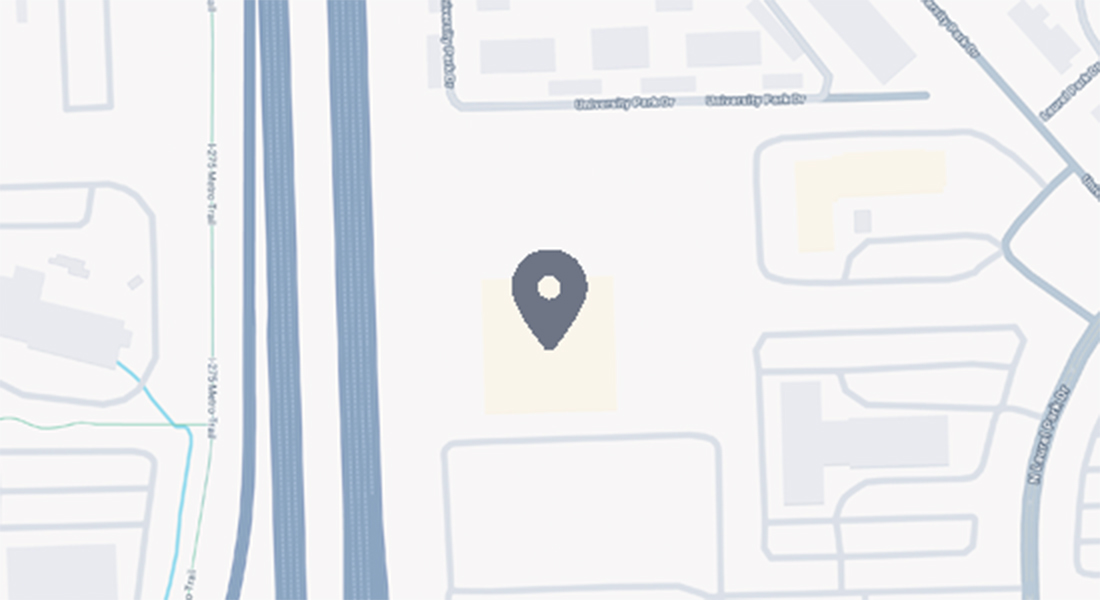
Fighting for injury victims across Michigan, proudly serving clients statewide from our office in Livonia.