Dedicated to Justice.
Devoted to You.
Winning for Your Future.
Devoted to You.
Winning for Your Future.


Homeowners Endorsements, Watercraft Policies, Exclusions, Subrogation, and Who Pays First
One of the most complicated parts of any Michigan boating accident case is not only who caused the crash, but which insurance policy applies, what the policy covers, and in what order claims may be paid. Many people assume boating claims work like car crashes in Michigan. They do not. Michigan’s no-fault system is built around motor vehicle accidents, and the statutory definition of a motor vehicle in the no-fault act is tied to vehicles operated on public highways, not boats or personal watercraft. Therefore, a boating injury claim does not typically fall into Michigan’s no-fault scheme the way an automobile crash does. Instead, boating claims often involve a mix of liability insurance, boat or watercraft coverage, health insurance, homeowners’ policy language, endorsements, medical payments coverage, and subrogation issues.
At Vahdat Weisman Law, our boating accident attorneys represent injury victims across Michigan from our Livonia office. In boating cases, an early and precise insurance analysis can matter almost as much as a liability analysis. A serious injury case may involve the negligent operator’s watercraft policy, the vessel owner’s coverage, a homeowner’s policy with a limited endorsement, a marina or rental company’s commercial policy, the injured person’s health insurance, and later reimbursement or subrogation claims from insurers that paid early. Understanding those moving parts can make the difference between a well-developed claim and a case that leaves money on the table.
Michigan drivers are used to thinking in no-fault terms. Boating claims usually work differently. There is no broad Michigan boating personal injury protection (PIP) system that automatically pays injury victims the way automobile no-fault benefits may after a qualifying car crash. Instead, boating claims generally depend on fault-based liability and whatever first-party coverage happens to exist under the relevant insurance policies. That is why boating claims often begin with a detailed policy review rather than a simple no-fault priority analysis.
That difference matters immediately after a crash. In an automobile case, people often ask which no-fault insurer is highest in priority. In a boating case, the better first questions include the following:
• Was there a separate boat or watercraft policy?
• Was the operator insured?
• Was the owner insured?
• Was the injured person covered by health insurance or boat medical payments coverage?
• Is there a homeowner’s endorsement that may help?
• Is there a rental or commercial policy?
• Is there an umbrella policy?
Those questions drive the real-world path of recovery in a boating accident case.
Many Michigan boat owners assume their homeowners policy covers everything involving their boat. That is often wrong or at least incomplete. Some homeowners policies may provide limited coverage for certain small boats or limited personal liability scenarios, but that does not mean the policy provides the same protection as a dedicated boat or watercraft policy. Industry guidance consistently warns that homeowners coverage for boats is often narrow, subject to strict size, horsepower, type, or use limitations, and frequently inadequate for serious boating losses. Larger and faster boats and personal watercraft like jet skis often require separate insurance.
That is where endorsements matter. A homeowners endorsement may expand or clarify limited watercraft-related protection, but endorsements vary by carrier and form. Some may address liability for a small watercraft kept at the residence. Others may help with short-term rental situations. Some may not address physical damage to the boat itself in any meaningful way. The key point is that a homeowners policy should never be assumed to be a full substitute for a dedicated boat policy just because the insured owns waterfront property or stores a vessel at home.
From a victim’s perspective, homeowners coverage can still matter. If the negligent operator or owner has no separate boat policy, counsel may need to review the homeowners policy and endorsements closely to determine whether any liability coverage may apply. In a catastrophic injury case, even limited homeowners liability coverage may become part of the total insurance picture.
A separate boat or watercraft policy is usually the most important coverage document in a Michigan boating claim. Boat policies typically cover physical damage to the vessel itself, property damage, theft, and medical payments, with separate deductibles depending on the coverage part. Some policies also provide hull coverage, collision coverage, comprehensive-type coverage for losses like theft, fire, storms, and sinking, and some forms of liability coverage for injuries or damages caused to others. Optional endorsements may include coverage for trailers, fishing gear, watersports, rentals, towing, fuel spills, wreckage removal, and uninsured or underinsured boater options (depending on the carrier and form).
The type of coverage or coverages involved matters because different parts of the same policy may answer different questions. The liability section may respond to injuries caused to other people. The physical damage section may address repairs to the insured boat. Medical payments (sometimes called “MedPay”) coverage may provide limited no-fault-style payments for certain medical expenses regardless of who caused the incident (but only up to the purchased limit and only if the policy includes that feature). Optional coverage may matter if the crash involved towing, a trailer, rented equipment, or environmental cleanup.
Policyholders often discover exclusions only after a serious loss. Common boating policy exclusions include wear and tear, gradual deterioration, corrosion, mold, mechanical breakdown, faulty repairs, improper storage, unapproved commercial use, racing or competition use, use by an excluded or unnamed operator, and losses outside the navigational territory described by the policy. Some homeowners forms also restrict or exclude watercraft coverage based on size, type, horsepower, ownership status, or whether the loss involved liability versus damage to the vessel itself.
Personal watercraft use deserves special attention. Personal watercraft, such as jet skis, commonly require separate insurance. That means a family may have a homeowners policy, a pontoon policy, or other boating coverage and still have no applicable coverage for a jet ski crash if the PWC was never separately insured.
Alcohol and illegal operation can also create serious coverage disputes. Even where the operator is clearly liable under Michigan law, insurers may argue that certain exclusions, cooperation failures, late notice, or unauthorized use provisions limit or defeat coverage. Those issues depend on the specific circumstances and policy provisions at issue in your case and should be analyzed carefully rather than accepted at face value.
There is no single universal answer to the “Who pays first?” question in a boating case, but there are practical patterns.
If the issue is damage to the insured boat, the dedicated boat policy usually applies first if one exists. For many Progressive policies, for example, when both homeowners and boat insurance could potentially apply, the boat policy will likely serve as the primary coverage for boat damage.
If the issue is an injury to someone hurt by another boater, the at-fault operator’s or owner’s liability coverage is usually the main target, assuming such coverage exists. Michigan’s vessel-owner liability statute (MCL 324.80157) is important here because it provides that the owner of a vessel is liable for any injury caused by the negligent operation if the vessel was being used with the owner’s express or implied consent. That can expand the insurance analysis beyond the driver at the helm and toward the titled owner’s policy as well.
If the issue is the injured victim’s immediate medical bills, those are often paid first by available health insurance, MedPay-type benefits under a boat policy if present, or out of pocket pending a liability recovery. That is one reason boating cases create so much stress for injured families: there is often no automatic no-fault medical stream comparable to a qualifying auto claim.
If the issue is excess exposure above the boat policy limits, an umbrella or excess liability policy may become important if the defendant purchased one. That is especially significant in catastrophic injury or wrongful death cases involving expensive boats, lake homes, or high-net-worth defendants.
In boating cases, counsel should not stop with the operator’s name. Michigan law can make the owner civilly liable when the vessel was used with consent, and that may bring the owner’s insurance into play even if the owner was not driving. The same logic can apply to personal watercraft.
Rental and commercial cases add another layer of potential coverage. Some carriers offer specific rental boat liability endorsements, and rental companies or marinas may carry commercial general liability or marine coverage that differs significantly from a private recreational policy. If the boat or jet ski was rented, every contract and insurance certificate should be reviewed.
Subrogation is the process by which an insurer that paid a loss seeks reimbursement from the legally responsible party or that party’s insurer. In plain terms, if your health insurer, MedPay carrier, or property carrier pays first, that insurer may later try to recover what it paid from the negligent boater’s insurance company or from your eventual settlement. In other words, the insurer steps into the insured’s shoes after payment to pursue recovery from the party legally responsible for the loss.
Michigan law applies equitable subrogation principles in insurance disputes. In Esurance Property & Casualty Insurance Co. v. Michigan Assigned Claims Plan, the Michigan Supreme Court held that an insurer that mistakenly paid benefits could pursue equitable subrogation where the policy was later voided. That case arose in the no-fault automobile context, not a boat accident, but it illustrates the broader legal principle that the insurer who pays first is not always the one who ultimately pays. Reimbursement fights between insurers can continue after the injured person receives benefits.
For injured boating victims, the practical takeaway is simple: early payments are helpful, but they may come with reimbursement rights. Settlement strategy should account for health insurance liens, medical reimbursement claims, and potential subrogation demands before final numbers are accepted.
A boating case is not just about proving negligence. It is also about finding coverage. A strong case may involve the negligent operator, the owner under Michigan’s owner-liability statute, a separate watercraft policy, a homeowners endorsement, a rental company’s commercial coverage, an umbrella policy, and multiple reimbursement claims from insurers that paid along the way. Missing one of those layers can materially reduce the value of the case.
From our Livonia office, Vahdat Weisman Law helps Michigan injury victims analyze both liability and insurance coverage. That means identifying every viable source of recovery, reviewing policy language, preserving coverage arguments, and pushing back when an insurer overstates an exclusion or understates available benefits.
Does Michigan no-fault insurance cover boating accidents?
Usually, no. Michigan’s no-fault act is centered on motor vehicle accidents involving vehicles operated on public highways, not ordinary boating accidents. Boating claims are typically handled through fault-based liability principles and whatever insurance coverage exists.
Does homeowners’ insurance cover a boat in Michigan?
Sometimes, but it often only applies in limited ways. Homeowners policies may provide narrow watercraft-related coverage or endorsements, but larger boats and personal watercraft often require separate insurance.
What does a boat insurance policy usually cover?
Typical boat policies may include coverage for physical damage to the boat, liability for injuries or property damage caused to others, theft, and sometimes medical payments. Optional coverages can expand that protection.
What are common exclusions in boating insurance?
Common exclusions include wear and tear, mechanical breakdown, improper storage, mold, racing, commercial use, or operation by excluded or unnamed users. But which exclusions may apply depends on the policy.
Who pays first after a Michigan boating accident?
It depends on the type of loss. Boat damage is often handled first by the boat policy if one exists. Injury claims are usually directed at the at-fault operator’s or owner’s liability coverage, while immediate medical bills may first be addressed through health insurance or boat MedPay if available.
What is subrogation in a boating claim?
Subrogation is when an insurer that paid a loss seeks reimbursement from the at-fault party or another insurer. It often arises after health insurance, MedPay, or property coverage pays before the liability case is resolved.
If you were injured in a boating accident in Michigan, do not assume there is only one policy or one path to recovery. The available insurance may include more than the operator’s liability policy, and the order of payment may be more complicated than it first appears. Boat insurance, homeowners endorsements, health insurance, rental coverage, umbrella coverage, exclusions, and subrogation rights can all impact your recovery.
Vahdat Weisman Law proudly serves clients across Michigan from our Livonia office. Call (734) 469-4994 or contact us online for a free consultation.
Disclaimer: This information is for educational purposes only and does not constitute legal advice. Every case is unique, and prior results do not guarantee future success.


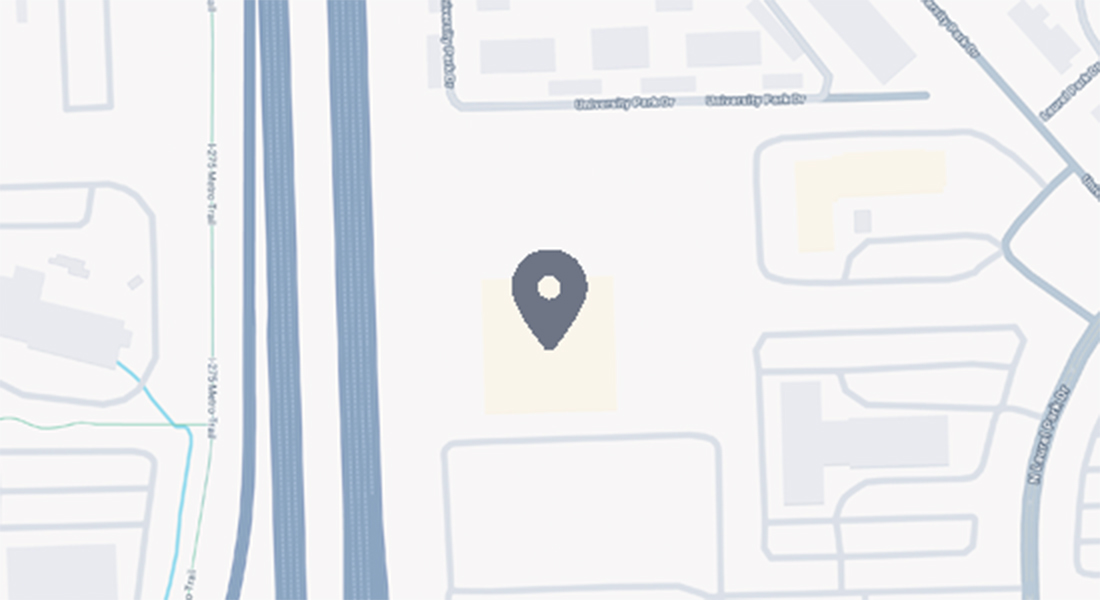
Fighting for injury victims across Michigan, proudly serving clients statewide from our office in Livonia.