Dedicated to Justice.
Devoted to You.
Winning for Your Future.
Devoted to You.
Winning for Your Future.


A day on the water can turn catastrophic when a boat operator chooses to drink and operate anyway. Alcohol impairs judgment, balance, reaction time, and decision-making, and those problems become even more dangerous on lakes, rivers, and open water. In Michigan, operating a boat while intoxicated or impaired is against the law. When an intoxicated boat operator causes a crash, throws a passenger overboard, strikes a swimmer, hits another vessel, or causes a fatal drowning, the injured victim or surviving family may have the right to pursue a civil claim for compensation. Michigan law specifically prohibits operating a motorboat while intoxicated, while visibly impaired, or with an unlawful bodily alcohol content, and it also addresses situations where one person knowingly allows another impaired person to operate the boat.
At Vahdat Weisman Law, our drunk boating victim lawyers represent injury victims across Michigan from our Livonia office in boating injury cases. Our firm offers free consultations, is available 24/7, and charges no attorney fee unless we win. For victims of drunk boating crashes, that means having a law firm ready to investigate quickly, preserve evidence, and pursue full accountability against the intoxicated operator and, when the facts support it, against other responsible parties as well.
Drunk boating is not just careless. It is dangerous conduct that puts everyone on the water at risk. A boat operator under the influence may speed, misjudge distance, fail to notice swimmers, ignore navigation rules, make unsafe turns, overload a vessel, operate too close to docks, or react too slowly to avoid a collision. Michigan’s intoxicated operation statute (MCL 324.80176) reflects that reality by criminalizing operation while visibly impaired, under the influence, or over the legal alcohol limit. The same law also prohibits a person from knowingly allowing someone who is impaired or intoxicated to operate a motorboat.
Alcohol-related boating cases often lead to severe injuries because there is very little protection between the victim and the force of impact. A drunk boater may eject passengers, create a propeller injury, collide with another vessel, or cause a person to fall overboard and drown. Alcohol on the water is especially dangerous because sun, wind, vibration, noise, and motion intensify impairment.
Michigan law makes it unlawful to operate a motorboat when the person is under the influence of alcohol or drugs, when the person has an unlawful bodily alcohol content, or when the person is visibly impaired. Michigan law also includes enhanced criminal consequences when an intoxicated operator causes serious injury or death.
For an injury victim, the civil case is separate from the criminal case. The fact that the state may charge the operator with a boating under the influence (BUI) offense does not, by itself, compensate the victim. A civil claim is how the injured person seeks payment for medical bills, lost income, pain and suffering, future care, disability, and other losses. Even if the criminal case is delayed, dismissed, or unresolved, a victim may still have a viable civil claim depending on the facts and available evidence. That is one reason contacting experienced counsel immediately matters.
A Michigan BUI victim injury case may arise from many different types of incidents. Some involve a direct collision between two boats. Others involve a drunken operator crashing into a dock, seawall, moored vessel, swimmer, kayaker, paddleboarder, or jet ski. In other cases, an intoxicated boat driver throws a passenger from the vessel during a reckless turn, creates a wake event that causes a serious fall, or fails to rescue someone who goes overboard.
These cases also arise in social settings where alcohol use is obvious from the beginning. Holiday weekends, lake parties, sandbar gatherings, bachelor events, rental outings, and marina drinking environments can all create dangerous conditions when no one steps in to stop an impaired operator from taking the helm. Michigan law’s prohibition on knowingly allowing an intoxicated person to operate a motorboat can become especially important in those situations.
The intoxicated operator is often the first and most obvious defendant, but the operator is not always the only party potentially liable. Depending on the facts of your case, legal responsibility may also extend to the boat owner, the person who knowingly allowed the impaired operation, a rental company, an event organizer, or another party whose conduct helped create the danger. Michigan’s intoxicated operation statute expressly addresses knowingly allowing an impaired person to operate a motorboat, which can support broader negligence theories in a civil case than simple negligence against the driver.
In some cases, a bar, restaurant, or other licensed alcohol seller may also be liable. Michigan’s Dram Shop Act (MCL 436.1801) provides a cause of action against a retail licensee in certain situations involving the unlawful sale, furnishing, or giving of alcohol to a minor or visibly intoxicated person. Whether a dram-shop claim exists in a boating injury case depends on the specific facts of your case and how they fit into the statutory requirements. But a dram-shop claim can be an important avenue to examine when a drunk boating crash follows service at a bar, marina restaurant, lakeside venue, or similar establishment.
Most drunk boating victim cases are negligence claims. The injured person generally must prove that the defendant owed a duty of reasonable care, breached that duty, and caused the injury and compensable damages. In a drunk boating case, proof of intoxicated or visibly impaired operation can be central to showing breach. Evidence may include police or marine patrol observations, field sobriety testing, chemical test results, witness accounts, admissions, video, photographs, boating incident reports, and statements from passengers or bystanders. The existence of a criminal charge can matter, but the civil case should be built on the underlying evidence, not on assumptions.
Prompt investigation matters because evidence disappears quickly on the water. Boats get repaired. Alcohol containers get removed. Witnesses scatter. Information on phones is deleted. Water and weather conditions change. A strong case may require obtaining official reports, interviewing witnesses, securing photographs and videos, reviewing marina or dock surveillance, preserving vessel information, and identifying all potentially applicable insurance coverage.
Michigan uses an official boating accident reporting form under the Marine Safety Act (MCL 324.80101 et seq.), and qualifying incidents must be reported using that form. In a drunk boating case, that report can be one of the first important documents because it may identify the operator, passengers, vessel details, law enforcement involvement, injuries, and the officer’s early observations. It may also help direct counsel to other sources of evidence that need to be preserved quickly.
Victims should also understand that early insurance contact is often designed to limit exposure, not to protect the injured person. Recorded statements, incomplete medical summaries, and quick low-value settlement offers are common after serious injury events. In an alcohol-related boating case, the defense may try to shift blame to passengers or other victims to reduce liability.
An injured victim in a Michigan drunk boating case may be able to recover compensation for emergency care, hospitalization, surgery, follow-up treatment, rehabilitation, lost wages, loss of earning capacity, pain and suffering, disability, disfigurement, and future medical needs. Catastrophic cases may also involve recovery for home modifications, assistive equipment, long-term attendant care, and other major future losses.
When drunk boating causes death, Michigan law generally allows a wrongful death claim through the estate under the state’s wrongful death framework (MCL 600.2922), and Michigan law generally provides a three-year limitations period for actions seeking damages for injury or death (subject to case-specific issues). Those deadlines should never be taken casually in a major boating case, if you file too late, you may recover nothing.
Even when alcohol is clearly involved, insurers and defense lawyers may still argue that the victim shares blame. They may claim the injured person knew the operator had been drinking, failed to wear a life jacket, moved unsafely in the vessel, or accepted the risk of boating. Those arguments are fact-dependent positions and should be evaluated carefully. The presence of alcohol does not erase the need for a full investigation, but a comparative-fault defense does not erase the seriousness of an intoxicated operator’s misconduct either.
In many cases, the real issue is that the drunk operator created a dangerous situation that reasonable people would have avoided. The task in civil litigation is to prove that reality clearly, using documents, testimony, physical evidence, and a disciplined damages presentation.
From Livonia, Vahdat Weisman Law represents injury victims across Michigan. It is a firm built around justice, client commitment, and results. For victims of drunk boating crashes, those principles matter. These cases are often emotionally charged, factually disputed, and vigorously defended. They require fast evidence preservation, careful legal analysis, and a willingness to pursue all responsible parties rather than treating the case like an ordinary insurance claim. Vahdat Weisman Law offers free consultations, serves clients statewide from Livonia, and charges no attorney fee unless we win.
Can I sue a drunk boat operator in Michigan?
Yes. If an intoxicated or visibly impaired boat operator caused your injuries, you may have a civil claim for compensation separate from any criminal prosecution. Michigan law prohibits operating a motorboat while intoxicated, visibly impaired, or with unlawful alcohol content.
What does BUI mean in Michigan?
The term “BUI” generally refers to boating under the influence or intoxicated boating. While the Michigan Legislature and our state’s appellate courts do not necessarily use this shorthand regularly, Michigan law directly prohibits operating a motorboat while intoxicated, visibly impaired, or over the legal alcohol threshold.
Can someone else besides the boat driver be liable?
Potentially, yes. Depending on the facts, liability may extend to a boat owner, a person who knowingly allowed the impaired operation, a rental business, an event organizer, or, in some cases, a licensed alcohol seller under Michigan’s Dram Shop Act.
What if the drunk boater was not convicted?
You may still have a civil case. A criminal conviction is not required to bring a personal injury claim. The key issue is whether the evidence shows negligent or unlawful intoxicated operation caused your injuries. The burden of proof in civil cases is also lower than the burden in criminal cases.
How long do I have to file a drunk boating injury lawsuit in Michigan?
Michigan generally provides three years for actions seeking damages for injury or death, but case-specific issues may impact timing requirements. For this reason, an investigation should begin as soon as possible.
Can a bar or restaurant be sued after a drunk boating crash?
Sometimes. Michigan’s Dram Shop Act may apply if a licensed seller unlawfully served alcohol to a visibly intoxicated person or minor and the statutory requirements are met. These claims depend on the specific facts and circumstances of your case and should be evaluated promptly.
If you or someone you love was injured by a drunk boater in Michigan, do not assume the criminal case alone will protect your interests. A civil injury claim may be the only path to recovering the compensation needed for medical bills, lost income, long-term care, and the full human harm caused by the crash.
Vahdat Weisman Law proudly serves clients across Michigan from its Livonia office. Call (734) 469-4994 or contact us online for a free consultation.
Disclaimer: This information is for educational purposes only and does not constitute legal advice. Every case is unique, and prior results do not guarantee future success




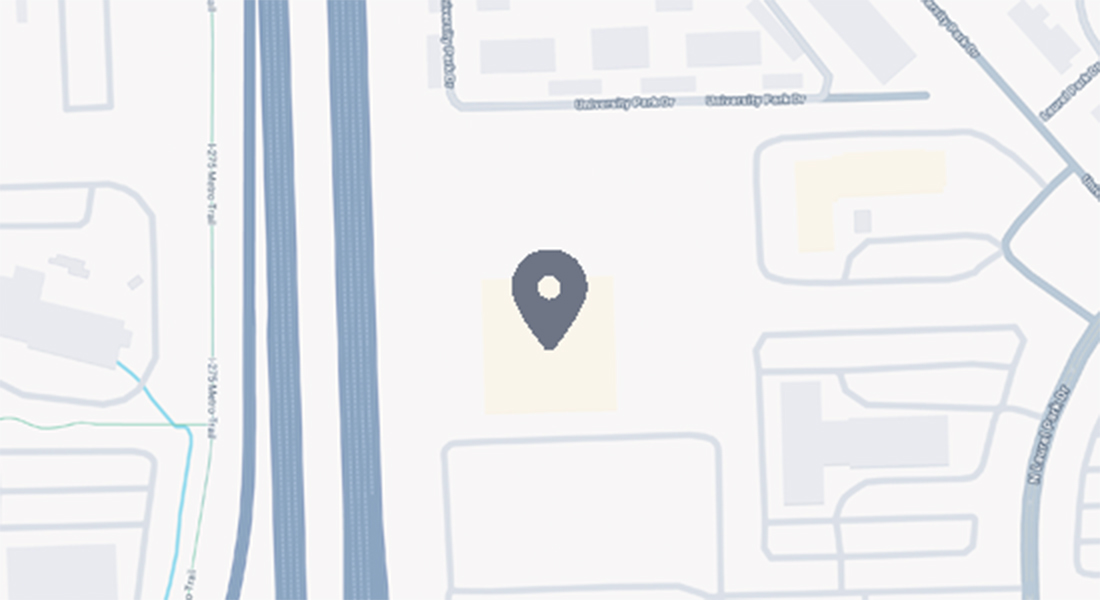
Fighting for injury victims across Michigan, proudly serving clients statewide from our office in Livonia.