Dedicated to Justice.
Devoted to You.
Winning for Your Future.
Devoted to You.
Winning for Your Future.


You can survive contact with a power line or a faulty wire, walk away with what looks like a small burn, and feel deeply changed in the weeks that follow without understanding why. That is the cruel part of electrical injuries: the worst damage is often internal and invisible at first, and even doctors can underestimate it. Getting the medical and legal investigation right from the start is what makes the difference in these cases.
Vahdat Weisman Law represents people hurt by electrocution and electrical injuries in Livonia and across Michigan. Whether the cause was a power line, defective wiring, a faulty product, or an unsafe job site, our catastrophic injury attorneys work to identify every responsible party and to document the full, often hidden, extent of the harm.
The visible entry and exit wounds may be small. Still, current travels through the body, damaging deeper tissues, muscles, and nerves along its path, so the internal injury is routinely worse than the skin suggests. The most immediate danger is to the heart, where even a modest current can trigger a fatal rhythm or cardiac arrest, especially when the current crosses the chest or head, which can also cause seizures or brain injury. Damaged muscle can break down in a process called rhabdomyolysis, releasing proteins that injure the kidneys. And some disabling effects, cognitive problems, chronic pain, neurological and psychological symptoms, can develop or worsen in the weeks and months after the shock. A person who tells the ER they are “fine” can be anything but, which is why careful follow-up care matters so much.
Most of these cases come from a few sources. Overhead and downed power lines injure utility and construction workers, tree trimmers, roofers, and crane and ladder operators, and electrocute members of the public who come near a fallen line. Defective or improperly installed wiring causes shocks and fires in homes, apartments, and businesses. Faulty appliances, power tools, and other products injure users when insulation fails or a ground is missing. And in and around water, the danger takes a form most people have never heard of.
Electrical shock drowning is one of the least understood causes of death around water. When faulty wiring or bonding on a dock, boat, pool, or marina lets electricity leak into the water, even a low-voltage current can paralyze a swimmer’s muscles so they cannot stay afloat, and they drown silently, often with no visible injury at all. These cases turn on the wiring, grounding, and bonding, and the ground-fault protection that should have prevented the leak, as well as on the marina, pool, or property owner responsible for maintaining it. Because the cause is invisible, these deaths are frequently misjudged as ordinary drownings, and a proper investigation is essential.
Power companies are not insurers against every electrocution, but because electricity is so dangerous, the reasonable care the law requires of them is a high degree of care in inspecting, maintaining, and safely positioning their lines and equipment. A central tool in these cases is the National Electrical Safety Code, which Michigan’s utility regulators incorporate into their rules and which sets minimum standards for things like how high and how far from buildings a line must be. A utility’s failure to meet a clearance or maintenance requirement is strong evidence of negligence. Just as important, the Michigan Supreme Court held in Schultz v. Consumers Power that compliance with the code is not a complete defense: it is a minimum standard, and a jury can find that a reasonably careful utility should have done more. These cases also turn on foreseeability, whether the utility should have anticipated people working or living near the line, and they are document-intensive, built on maintenance records, inspection histories, prior complaints, and outage logs that we move to obtain before they are lost.
Many electrical injuries happen on the job, and workers’ compensation is usually your only claim against your own employer, since suing the employer directly requires proof of a true intentional injury that is rarely available. Comp pays medical bills and a portion of lost wages, but not pain and suffering. The larger recovery often comes from a third party, the utility whose line was too low or never de-energized, a general contractor or another subcontractor who controlled the site, or the maker of a defective tool. Federal safety rules help prove what should have happened, including the requirement that cranes and equipment stay a safe distance from energized lines, generally at least 20 feet for typical lines and more for higher voltages, unless the line is de-energized and grounded. One caution we handle for clients: when you recover from a third party, the workers’ compensation insurer generally has a lien to be repaid, though it must share in the attorney fees and costs, and how that lien is managed affects what you actually keep.
When the shock came from a product, a tool with failed insulation, an appliance with a wiring defect, or a missing or defective ground, a product liability claim can reach the manufacturer; a seller that merely sold the product is liable in narrower circumstances under Michigan law. When the cause was a building’s wiring or a hazard a property owner should have fixed, a premises liability claim applies. Since Michigan’s 2023 decision in Kandil-Elsayed, the fact that a hazard was visible no longer automatically ends the claim; it is instead weighed as part of the owner’s care and the injured person’s share of fault. Landlords have a statutory duty to keep a rental in reasonable repair and in compliance with health and safety laws, including those covering the electrical system.
Utilities and their insurers often argue that an overhead line is an obvious danger everyone should avoid, and Michigan’s comparative-fault rule lets them try to shift blame, reducing a recovery by the injured person’s share and barring pain-and-suffering damages if that share tops 50 percent. That is exactly why proving a specific code or safety violation and showing that the injury was foreseeable matters so much. We build the case to keep an unfair blame argument from controlling it.
Because electrical injuries evolve, a settlement that captures only today’s bills shortchanges the client. These cases account for delayed neurological and psychological effects, future surgeries and care, amputation and prosthetics where tissue could not be saved, cardiac and kidney complications, cognitive and vocational impact, and chronic pain. We work with the right experts, electrical engineers, to prove how the injury happened, and treating physicians, neurologists, cardiologists, and life-care planners to document its full trajectory, not just its first chapter.
We move first to preserve the evidence, the failed product, the scene, the utility’s records, sometimes through a court order before it can be repaired or discarded, secure the medical workup that documents the hidden and delayed harm, and identify every responsible party and deadline. We coordinate any workers’ compensation claim and lien with the third-party case, and we advise clients not to give the insurer a recorded statement before we have spoken. From our Livonia office, attorneys Jordan S. Vahdat and Kara E. Weisman handle electrocution and electrical injury claims for clients across Metro Detroit and the rest of Michigan on a contingency-fee basis, so there is no attorney fee unless we recover for you.
Vahdat Weisman Law is a personal injury firm based in Livonia, Michigan, representing injury victims and their families throughout the state. Our attorneys, Jordan S. Vahdat and Kara E. Weisman, bring courtroom experience, a record of meaningful results, and a hands-on approach to investigation and case strategy. We prepare every matter as if it will go to trial, positioning clients for stronger settlements and protecting their rights if litigation becomes necessary.
We handle electrocution and electrical injury claims on a contingency-fee basis, which means there is no attorney fee unless we recover compensation for you. From our Livonia office, we serve clients across Metro Detroit and the rest of Michigan, and we explain every step in plain language so you can make informed decisions about your case.
If you or a loved one suffered an electrocution or electrical injury, contact Vahdat Weisman Law in Livonia today at (734) 469-4994 for a free, confidential consultation. The sooner we hear from you, the sooner we can preserve the evidence and records your claim depends on. Reach out via our contact page to let us know what happened and learn about your options. There is no cost to speak with us about your potential claim.
Disclaimer: This information is for educational purposes only and does not constitute legal advice. Every case is unique, and prior results do not guarantee future success.




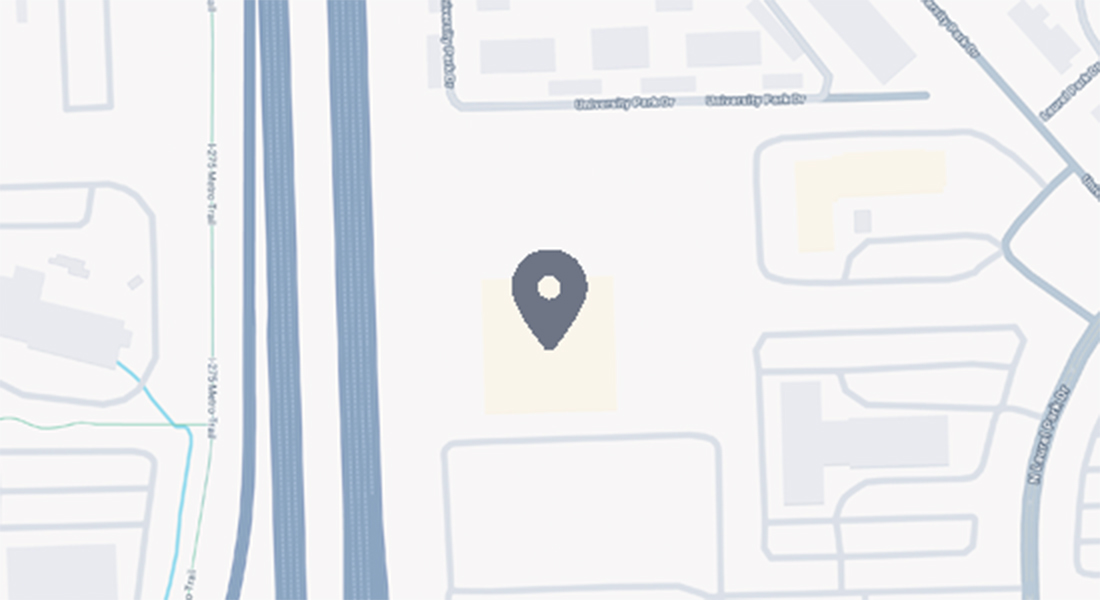
Fighting for injury victims across Michigan, proudly serving clients statewide from our office in Livonia.