Dedicated to Justice.
Devoted to You.
Winning for Your Future.
Devoted to You.
Winning for Your Future.


When a child is born with a serious, permanent injury, parents are left with a diagnosis and a quiet, painful question: did this have to happen? Sometimes the answer is no, the injury was not preventable. But sometimes it traces back to a doctor or hospital that missed the signs of fetal distress, waited too long to deliver, or used too much force, and a family deserves to know which it was.
Vahdat Weisman Law represents families of children harmed by birth injuries in Livonia and across Michigan. Our medical malpractice lawyers have the records reviewed by qualified medical experts to determine whether negligence caused your child’s injury, and, when it did, we work to secure the lifetime care that your child will need.
The most consequential birth injuries usually involve oxygen. When a baby’s heart-rate monitoring shows distress and the team fails to recognize it or delays an emergency cesarean section, the resulting oxygen deprivation can cause hypoxic-ischemic encephalopathy, a brain injury that is a leading cause of cerebral palsy, particularly the spastic, whole-body form linked to oxygen loss around the time of birth. Even after such an event, the standard of care may call for prompt brain cooling within hours of delivery to limit damage, and a failure to initiate it promptly can be part of the case.
Other injuries come from how the delivery is handled. When a baby’s shoulder becomes stuck, a complication called shoulder dystocia that is not itself anyone’s fault, the negligence lies in how the clinician responds; pulling improperly on the baby’s head and neck can stretch or tear the nerves of the arm, causing a brachial plexus injury or Erb’s palsy. The improper use of forceps or a vacuum can fracture the skull or cause bleeding in the brain. And a failure to monitor and treat severe newborn jaundice can allow it to progress to kernicterus, a preventable form of brain damage.
This is where many firms are not straight with families, and we will be. Not every cerebral palsy diagnosis, and not every hard delivery, is the result of negligence. Cerebral palsy can stem from genetic conditions, prematurity, infection, stroke, or events in pregnancy that no one could prevent, and a brachial plexus injury can occur even when a delivery is handled correctly. A birth injury case is not about a bad outcome; it is about whether the care fell below the accepted medical standard and whether that failure caused the harm. The only way to know is to have the records reviewed, which is exactly where we start, at no cost to you.
Birth injury cases are proven in the records, and we know what to look for. Fetal heart rate strips can indicate whether the baby was in distress and for how long, through patterns such as late decelerations or loss of variability. The umbilical cord blood gas tells whether the baby suffered a dangerous loss of oxygen, with a low pH and a high base deficit pointing to acute oxygen deprivation rather than a problem that began earlier in pregnancy. The Apgar scores, the placental pathology, which can confirm or rule out a chronic prenatal cause, and the newborn’s brain MRI, which can show the pattern and timing of injury, complete the picture. Together, these records, read by the right experts, separate a preventable injury from one that was not.
This is the part that catches families off guard. People assume that because the patient is a child, there is time, even until age 18. For birth injuries, Michigan is far stricter. A child’s own malpractice claim for an injury at birth generally must be filed by the child’s tenth birthday, or within the ordinary malpractice deadline if that is longer. And the parents’ separate claim, for the medical bills and services they themselves provide, is not given that extra time at all; it is generally bound by the standard two-year malpractice deadline, so a family that waits can preserve the child’s claim while losing their own. If the baby was delivered at a public or state-run hospital, a short six-month notice can be required on top of everything else, and if a birth injury is fatal, the case becomes a wrongful death action with its own timing rules. Because these cases take months of medical investigation before a suit is filed, it is never too early to have the care reviewed.
A birth injury claim is a medical malpractice case, and Michigan wraps those in a strict procedure. Before filing, we serve a formal notice of intent and observe an 182-day waiting period, and the complaint must be accompanied by a sworn affidavit from an expert whose specialty matches the providers involved, an obstetrician, neonatologist, labor-and-delivery nurse, or others, confirming the care fell short. Winning means proving both that the standard of care was breached and that the breach caused the injury, which is why the experts and the records are everything. We move early to preserve them, including the electronic timestamps that show what was done and when.
When negligence causes a child’s injury, the cost is measured in decades. A child with cerebral palsy may need years of physical, occupational, and speech therapy, mobility equipment and its replacement, surgeries, seizure and feeding care, special education, accessible housing and transportation, and around-the-clock help into adulthood, costs that can reach into the millions. Michigan caps pain-and-suffering damages in malpractice cases, with a higher cap reserved for catastrophic permanent impairments like the loss of limb function or cognitive capacity a severe birth injury can cause, so proving the economic, lifetime costs, which are not capped, is essential. Equally important is protecting the recovery: a settlement for a disabled child requires court approval and is typically structured with a conservatorship and a first-party special needs trust to fund the child’s care while preserving eligibility for Medicaid and other benefits. We plan for all of it from the start.
We obtain the prenatal, delivery, and newborn records and have them reviewed by the right experts, tell you honestly whether negligence caused your child’s injury, build the medical and life-care proof these cases demand, protect the short deadlines that apply, and structure any recovery to serve your child for life. From our Livonia office, attorneys Jordan S. Vahdat and Kara E. Weisman handle birth injury and cerebral palsy claims for families across Metro Detroit and the rest of Michigan on a contingency-fee basis, so there is no attorney fee unless we recover for you.
Vahdat Weisman Law is a personal injury firm based in Livonia, Michigan, representing injury victims and their families throughout the state. Our attorneys, Jordan S. Vahdat and Kara E. Weisman, bring courtroom experience, a record of meaningful results, and a hands-on approach to investigation and case strategy. We prepare every matter as if it will go to trial, positioning clients for stronger settlements and protecting their rights if litigation becomes necessary.
We handle birth injury and cerebral palsy claims on a contingency-fee basis, which means there is no attorney fee unless we recover compensation for you. From our Livonia office, we serve clients across Metro Detroit and the rest of Michigan, and we explain every step in plain language so you can make informed decisions about your case.
If your child suffered a birth injury or was diagnosed with cerebral palsy, contact Vahdat Weisman Law in Livonia today at (734) 469-4994 for a free, confidential consultation. Because the deadline for these claims can be shorter than parents expect, the sooner we review the records, the more we can do. Reach out via our contact page to let us know what happened and learn about your options. There is no cost to speak with us about your potential claim.
Disclaimer: This information is for educational purposes only and does not constitute legal advice. Every case is unique, and prior results do not guarantee future success.




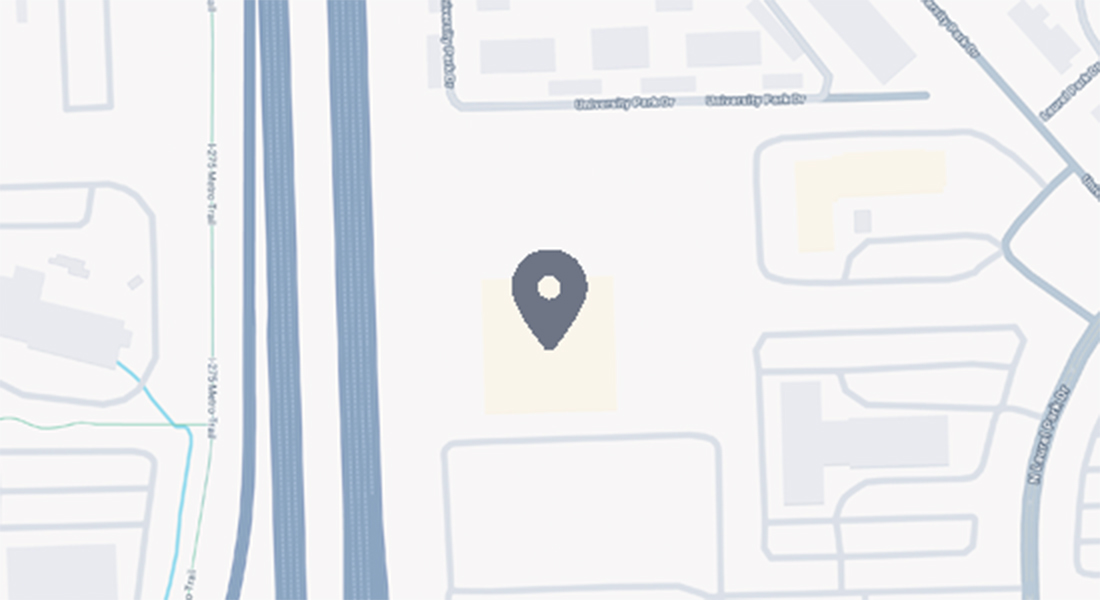
Fighting for injury victims across Michigan, proudly serving clients statewide from our office in Livonia.