Dedicated to Justice.
Devoted to You.
Winning for Your Future.
Devoted to You.
Winning for Your Future.


When a child is seriously injured on someone else’s property, families are often told it was just an accident or that children get hurt all the time. Sometimes that is true. Often, it is not. Some child injury cases arise because a property owner failed to fix or guard against a dangerous condition. Others arise because an adult or an organization failed to provide reasonable supervision. In many cases, both theories need to be examined simultaneously by experienced premises liability lawyers. A child may be hurt on a trampoline, playground set, deck, retaining wall, pool area, driveway, vacant lot, construction area, or around another artificial hazard that should have been secured, fenced, repaired, or made safer. Michigan law covers all these issues, including landowner duties, trespassing children, and dangerous conditions.
At Vahdat Weisman Law, our child injury on premises attorneys represent injury victims across Michigan from our Livonia office. Our firm offers free consultations, is available 24/7, and serves clients statewide. When a child is badly hurt, families need more than sympathy. They need answers about what happened, whether the injury could have been prevented, and who may be legally responsible. That investigation must be done carefully, because child injury cases often involve overlapping liability theories, disputed facts, and insurance companies eager to shift blame away from the property owner or supervising adult and onto the innocent children.
Child injury claims are not evaluated the same way as ordinary adult slip-and-fall cases. Children do not perceive risk the same way adults do. They may not appreciate how dangerous a fall zone, an unsecured trampoline, a collapsing play structure, a pool area, or an access point really is. Michigan courts have long recognized special issues involving child entrants and artificial conditions on land. In cases involving trespassing children, Michigan has adopted the Restatement approach, often referred to as the “attractive nuisance” doctrine, which imposes liability where a dangerous artificial condition poses an unreasonable risk to children who, because of their age, do not appreciate the danger.
That does not mean every injury on residential property creates a case. It means the legal analysis must match the facts. Was the child a guest? Was the child lawfully on the property for a playdate, party, daycare, lesson, or neighborhood gathering? Was the child a foreseeable trespasser? Was the hazard artificial and preventable? Was the condition open and obvious to an adult but not to a young child? Did the adults present fail to supervise, or was the injury primarily caused by the property itself? These questions often determine whether the case is best framed as a premises liability case, a negligent supervision case, or both.
Some of the most serious child injury cases we see involve conditions that are entirely foreseeable around homes, apartment complexes, schools, daycares, churches, and recreational properties. Trampolines are a common example. A trampoline may be placed near a fence, tree, deck edge, or other impact hazard. It may be missing netting or pads. Too many children may be allowed to jump at once. The trampoline may be defective, poorly anchored, placed on uneven ground, or left accessible to unsupervised neighborhood children.
Play structures and backyard equipment can present similar risks. A swing set, monkey bars, climbing wall, zip line, fort, or elevated platform may be unstable, poorly assembled, rotted, too close to concrete or other hard surfaces, or missing proper impact-attenuating ground cover. In other cases, a child is hurt by access to an unfenced or inadequately secured hazard, such as a pool or pond, excavation, retaining walls, construction materials, machinery, or other artificial condition that a property owner should have anticipated children would approach. Michigan’s permit and code rules for residential pools, for example, reflect the importance of barrier and enclosure requirements before a pool is filled with water.
One of the most important issues in premises liability cases involving child injuries is whether the claim is really about the condition of the property, the conduct of an adult, or both.
A premises liability theory focuses on the land and the dangerous condition. The issue is whether the owner, occupier, landlord, business, or other possessor of land failed to use reasonable care in relation to a condition on the property. In a child injury case, that may include failing to repair broken equipment, failing to fence a known hazard, failing to secure access to a dangerous area, or maintaining an artificial condition that creates an unreasonable risk of serious harm to children. Cases involving a child trespasser may still be strong (despite the child’s legal status on the property) where the property owner should have reasonably expected children to come near the artificial hazard.
A negligent supervision theory focuses more on people than on land. The issue is whether a parent, host, daycare, school, camp, coach, church, or other supervising adult failed to monitor and protect children reasonably under the circumstances. In these often complicated cases, the context and details matter, but most cases involve poor supervision, a lack of safety rules, or faulty equipment. A trampoline case, for example, may involve both a dangerous setup and a failure to supervise how many children were using it or what kinds of flips and horseplay were being allowed.
Michigan’s Trespass Liability Act (MCL 554.581 et seq.) provides that a land possessor generally owes no duty of care to a trespasser. But that is not the end of the analysis in a child injury case. Michigan courts have continued to recognize the doctrine commonly called the “attractive nuisance” doctrine for reasonably foreseeable child trespassers harmed by artificial conditions. The doctrine does not literally require that the condition “attract” the child. Rather, Michigan caselaw explains that liability may exist if
• the possessor knows or has reason to know children are likely to trespass,
• the possessor knows or should know the condition poses an unreasonable risk of death or serious bodily harm, and
• the children, because of their youth, do not discover or realize the risk.
A plaintiff in a child injury case must prove all three elements.
The reality is that many dangerous child injuries happen in semi-predictable ways. Neighborhood children cut through yards. They wander toward trampolines, pools, sheds, climbing equipment, embankments, and partially secured play areas. A landowner may insist the child “should not have been there,” but that does not automatically defeat the claim. The issue is whether the property owner should have reasonably anticipated the presence of children and whether the condition was one that posed a serious danger to them.
Some of the most tragic child injury cases involve unfenced or inadequately secured water hazards. Even when a claim is not framed around the violation of a formal swimming pool statute, the existence or absence of barriers, self-latching gates, alarms, and other protective measures can be powerful evidence of negligence. Michigan building and permit rules for residential pools and spas emphasize barrier requirements, gate features, and the need to complete enclosure protections before the water is in use. Those requirements exist for an obvious reason: young children can reach a water hazard quickly and may not understand the danger.
The same logic extends beyond pools. A child may be injured near an unfenced pond, drainage basin, steep retaining wall, abandoned structure, exposed machinery, or unstable elevated play area. The legal issue in these cases is not whether every property must be childproof in every way. Rather, the issue is whether the defendant failed to take reasonable precautions against a serious and foreseeable risk to children.
Every case depends on its own circumstances, but most cases involving child injuries on someone else’s property require proof of the traditional negligence elements: duty, breach, causation, and damages. In a premises liability claim, that often means proving that the defendant controlled the property, knew or should have known of the hazard, and failed to take reasonable steps to repair, remove, guard, or warn against it. In a negligent supervision claim, the focus is on whether the responsible adult or organization failed to monitor or protect the child reasonably. In some cases, both theories support each other.
The evidence can include photographs of the scene, measurements, inspection records, permit history, code-related documents, witness statements, neighbor accounts, prior complaints, homeowner or renter insurance information, texts or social media posts about the incident, and proof of prior similar conduct or known dangers. In trampoline and play structure cases, the condition of padding, anchoring, surfacing, spacing, netting, and assembly is also relevant. In pool and unfenced hazard cases, the barrier setup, gate function, and access route can be central to your claim.
A serious child injury can affect an entire family. Compensation in a Michigan claim may include medical expenses, future treatment, rehabilitation, pain and suffering, disability, disfigurement, scarring, mental and emotional harm, and other losses recognized by law. In catastrophic cases, long-term care needs, educational impact, and permanent impairment may become major components of the case value. And when the injury is fatal, Michigan’s wrongful death principles may apply through claims filed by the estate and by family members.
Property conditions change fast after a child is hurt. A trampoline gets moved. A broken ladder gets discarded. Netting gets installed after the fact. A pool gate gets repaired. A play structure is dismantled. Dirt is leveled. Warning signs are added. Surveillance footage is overwritten. The earlier counsel becomes involved, the better the chance of preserving the scene accurately and identifying the right liability theory.
From our Livonia office, Vahdat Weisman Law helps families across Michigan investigate serious injury claims with urgency and care. We are a firm that listens, investigates thoroughly, and aggressively pursues claims against all at-fault parties in every case. That approach is especially important in child injury cases, because the defense often tries to reduce these matters to a vague claim that “kids get hurt.” Michigan law requires a more thoughtful analysis than that.
Is a property owner automatically liable if a child is injured on the property?
No. Liability depends on the facts, including the child’s status on the property, the nature of the hazard, whether the condition was artificial, and whether the danger was foreseeable and preventable. Michigan law does not impose automatic liability just because a child was hurt.
What if the child was technically trespassing?
That does not automatically end the case. Michigan’s Trespass Liability Act generally limits duties to trespassers, but Michigan courts recognize the “attractive nuisance” doctrine for foreseeable trespassing children harmed by dangerous artificial conditions if the required elements are met.
Is a trampoline injury a premises liability case or a negligent supervision case?
It can be either or both. If the trampoline itself was dangerously placed, defective, unsecured, or left accessible to children, a premises liability theory may be the focus of your case. If adults failed to monitor unsafe use, a negligent supervision theory may also apply.
Do unfenced pools or similar hazards matter in Michigan?
Yes. Barrier and enclosure issues can be important evidence in child injury cases involving pools, spas, and similar hazards. Michigan permit and code rules emphasize barrier protections for residential pool installations.
What compensation may be available after a serious child injury?
Depending on the facts of your case, a claim may include medical expenses, future care, pain and suffering, disability, scarring, and other damages recognized by Michigan law. Fatal cases may involve wrongful death claims.
How long do we have to act?
Deadlines depend on the claims and parties involved, but families should move quickly. Physical conditions and scene evidence often change immediately after a child is injured on property.
If your child was seriously injured on someone else’s property in Michigan, you may have a claim based on unsafe property conditions, negligent supervision, or both. These cases require a careful review of the child’s status on the property, the nature of the hazard, the age of the child, the foreseeability of harm, and the conduct of the adults involved.
Vahdat Weisman Law proudly serves clients across Michigan. Call (734) 469-4994 or contact us online for a free consultation.
Disclaimer: This information is for educational purposes only and does not constitute legal advice. Every case is unique, and prior results do not guarantee future success.




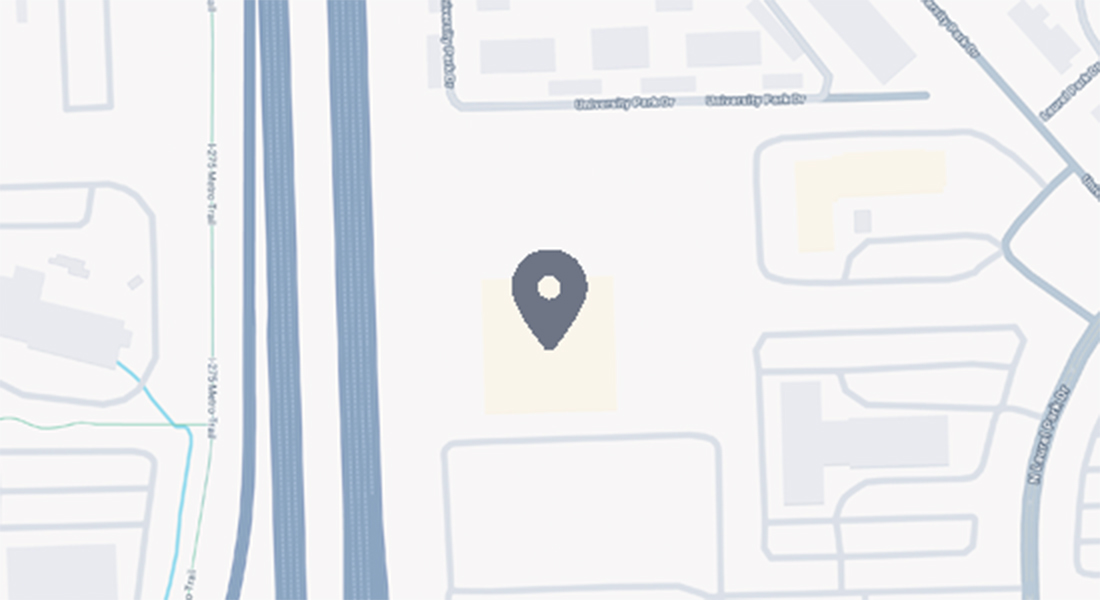
Fighting for injury victims across Michigan, proudly serving clients statewide from our office in Livonia.