Dedicated to Justice.
Devoted to You.
Winning for Your Future.
Devoted to You.
Winning for Your Future.


A parking lot looks like the safe part of the trip, right up until a hidden pothole, an icy ramp, a missing wheel stop, or a stretch of burned-out lights turns a walk to the car into a broken wrist, a head injury, or a serious fall. The business or landlord in control of that lot has a legal duty to keep it reasonably safe, and when they let it slide, they can be held responsible.
Vahdat Weisman Law represents people hurt in parking lots and structures in Livonia and across Michigan. The most important thing to know up front is that parking lot cases are not all the same. Michigan treats a fall caused by a physical hazard very differently from an assault by another person, and it matters a great deal who controlled the lot. Our premises liability attorneys sort that out at the start and tell you honestly where your case stands.
Most parking lot claims stem from dangerous conditions that the party in control allowed to develop: uneven or crumbling pavement, unmarked curbs and wheel stops, potholes, poor drainage, and lighting too dim to see a step or a hole. A possessor owes the customers it invites reasonable care to maintain the lot and to address hazards it knew about or should have found through reasonable inspection. The claim usually turns on notice, whether the possessor created the hazard, actually knew about it, or should have discovered it because the condition existed long enough that a reasonable inspection would have caught it.
For two decades, owners defeated these claims under the open-and-obvious rule: if a hazard was visible, they argued, they owed no duty, and the case was dismissed before trial. The case that built that defense, fittingly, involved a pothole in a parking lot. In Kandil-Elsayed v. F&E Oil (2023), the Michigan Supreme Court overruled it. A possessor now always owes invitees a baseline duty of reasonable care, and a jury weighs the visibility of a pothole or a patch of ice as part of whether the owner was careless and how much fault, if any, belongs to you, rather than ending the case at the start.
Winter falls follow a specific standard. Under Quinlivan v. Atlantic & Pacific Tea Co., a business must take reasonable measures within a reasonable time after snow or ice accumulates to reduce the danger to the people it invites. A dusting that just fell is treated differently from a sheet of ice that sat across a workday, and an artificial hazard, like a downspout that drains across a walkway and refreezes into black ice, is stronger still because the property helped create it. Weather records, the timing of the last snowfall, and salting and plowing logs often decide these cases.
If the lot belongs to the apartment complex where you live, you may have an advantage that a store customer does not. Under MCL 554.139, a residential landlord has a statutory duty to keep common areas, including parking lots, fit for their intended use, and the Michigan Supreme Court held in Allison v. AEW that the open and obvious defense does not apply to that statutory duty at all. The trade-off is that the lot has to be genuinely unfit, not just imperfect, so a minor accumulation of snow may not be enough, while a lot left in a dangerous state can be. For tenants, this is often the strongest route to recovery.
Here is where we are most direct with clients, because Michigan law is unforgiving. After an assault or robbery, people understandably want to blame the property owner for dark corners or missing security. Under MacDonald v. PKT, Inc., a business generally has no duty to anticipate and prevent the criminal acts of strangers, and prior crimes in the area do not change that. A claim that the lot simply should have had more lighting, cameras, or guards will not succeed on its own.
What Michigan recognizes is much narrower. When a business or landlord becomes aware of a specific, ongoing threat of imminent harm to identifiable people on its property, it must respond reasonably, which includes promptly contacting the police. In Bailey v. Schaaf, the Michigan Supreme Court applied that limited duty to a landlord whose security staff were told a man was brandishing a gun and threatening people and failed to call for help. So an assault case here tends to turn on what the staff knew in the moment and whether they summoned help, and on any hired security company’s conduct, not on the general adequacy of a security plan. We evaluate these cases carefully and tell you candidly whether the facts fit.
Lighting matters differently for each kind of case. As a physical hazard, poor lighting can be a real claim: if you could not see a curb, a pothole, or a step because the lot was too dark, that is a maintenance failure within ordinary premises law, provable with photos, lighting measurements, and maintenance records. As a crime-prevention theory, lighting is weak because Michigan does not impose a general duty to deter crime with brighter lights. We use lighting where it is strongest and are realistic about its limits.
A pedestrian struck by a vehicle in a parking lot has a different and often better-protected path. Michigan no-fault pays personal injury protection benefits for medical care and lost wages regardless of who was at fault, so even a pedestrian found largely to blame still has medical bills covered. On top of that, a claim against the at-fault driver for pain and suffering may exist if the injury meets Michigan’s serious-impairment threshold, and a premises claim may exist too if the lot’s layout, lighting, or lack of a marked walkway contributed. We pursue each track that applies.
Parking lot cases often hinge on control, and more than one party may share responsibility: the property owner, a tenant business responsible for its own entrance, a property management company, or a snow removal contractor. A contractor is not automatically liable, though. Michigan requires showing the contractor breached a duty separate from its contract, for example, by plowing snow into a pile that melted and refroze into a new hazard. And when a city, school, or other public entity owns the lot, governmental immunity frequently bars the claim outright, because a surface lot usually does not fall within the narrow exceptions for public buildings or highways. Identifying the right defendant early is decisive.
The owner will argue you should have watched your step. Michigan handles that through comparative fault: your recovery is reduced by your share of the blame, and only being found more than 50% at fault bars compensation for pain and suffering, with economic losses like medical bills and lost wages still recoverable in reduced form. We move quickly because parking lot surveillance video is often erased within days. A three-year deadline applies to most claims; the time to sue is generally extended when a child is injured, and much shorter notice deadlines can apply when a public entity is involved.
We start by pinning down the right theory and the right defendant, preserving the surveillance video and the weather, lighting, and maintenance records before they disappear, and documenting the hazard while it still exists. We apply the current premises rules, not the outdated version, and we are straight with you about the strength of an assault claim under Michigan law. From our Livonia office, attorneys Jordan S. Vahdat and Kara E. Weisman handle parking lot injury claims for clients across Metro Detroit and the rest of Michigan on a contingency-fee basis, so there is no attorney fee unless we recover for you.
Vahdat Weisman Law is a personal injury firm based in Livonia, Michigan, representing injury victims and their families throughout the state. Our attorneys, Jordan S. Vahdat and Kara E. Weisman, bring courtroom experience, a record of meaningful results, and a hands-on approach to investigation and case strategy. We prepare every matter as if it will go to trial, positioning clients for stronger settlements and protecting their rights if litigation becomes necessary.
We handle parking lot injury claims on a contingency-fee basis, which means there is no attorney’s fee unless we recover compensation for you. From our Livonia office, we serve clients across Metro Detroit and the rest of Michigan, and we explain every step in plain language so you can make informed decisions about your case.
If you were hurt in a parking lot or structure, contact Vahdat Weisman Law in Livonia today at (734) 469-4994 for a free, confidential consultation. The sooner we hear from you, the sooner we can preserve the video and records your claim depends on, and protect any short deadline that applies. Reach out via our contact page to let us know what happened and learn about your options. There is no cost to speak with us about your potential claim.
Disclaimer: This information is for educational purposes only and does not constitute legal advice. Every case is unique, and prior results do not guarantee future success.




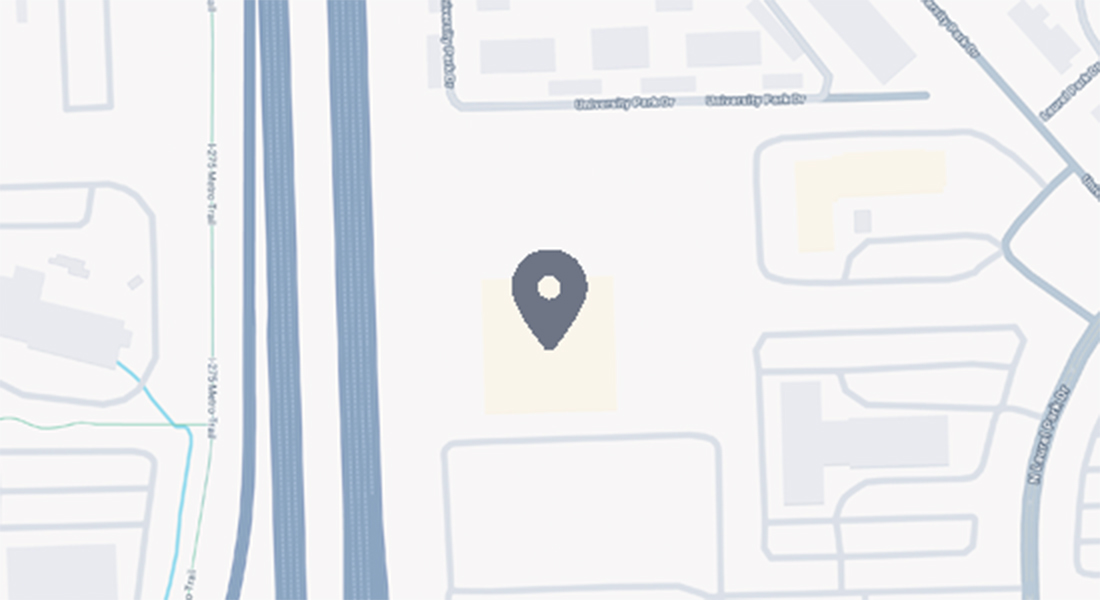
Fighting for injury victims across Michigan, proudly serving clients statewide from our office in Livonia.