Dedicated to Justice.
Devoted to You.
Winning for Your Future.
Devoted to You.
Winning for Your Future.


When your property is damaged by fire, water, storms, theft, or any other event, the disruption can be immediate and overwhelming. You face urgent safety issues, costly repairs, questions about where to live or work, and a maze of insurance rules. At Vahdat Weisman Law in Livonia, Michigan, our personal injury attorneys help homeowners, renters, landlords, and business owners pursue full and fair compensation for property losses. Our team guides you through the claims process, challenges unfair denials or low valuations, and protects your rights from the first report through settlement and, when needed, litigation.
A property damage claim seeks money to repair or replace real property and personal property after a “covered event” causes physical loss. Claims may involve residential homes, rental units, condominiums, commercial buildings, equipment, inventory, and valuable personal items.
What constitutes a “covered event” depends on policy language. Still, common examples include damage from fire and smoke, wind and hail, frozen or burst pipes, sudden water discharge from plumbing, vandalism and theft, vehicle impact, and certain ice or snow losses. Some losses require specific endorsements or separate policies, including those involving floods, sewer or drain backups, and earthquakes.
Again, your coverage is determined by the policy language, endorsements, exclusions, and sublimits. Because the interpretation of insurance policy provisions is a question of law determined by judges and can often make or break your claim, it is critical to understand how the relevant policy provisions apply immediately. Contacting experienced counsel is often the best way to do so.
Insurers are required to adjust claims fairly, but disagreements are common. The most frequent disputes include the following:
Disputes also arise over causation, such as whether water damage resulted from a suddenly broken supply line, which is typically covered, or from long-term seepage, which is often excluded. When coverage exists but the dollar amount is disputed, the insurer may propose actual cash value when replacement cost is owed or apply large depreciation on items with many years of useful life remaining. Our lawyers challenge these practices, quickly develop persuasive evidence to prove what you truly lost, and negotiate for the correct measure of loss under the policy.
Most homeowners and commercial insurance policies are first-party contracts, which means you seek payment from your own insurer for covered losses. Sometimes a third party is legally responsible, such as a contractor who caused a fire, a negligent tenant who allowed a pipe to burst, or a driver who crashed into a building. In those cases, you may have both an insurance claim with your carrier and a negligence claim or subrogation claim that shifts responsibility to the party at fault. We analyze all potential sources of recovery, coordinate claims to prevent coverage gaps, and protect you from conflicting demands by insurers and opposing parties.
Insurance policies use specialized terminology that impacts every aspect of your case. Here are a few of the most common terms you need to know:
Our team helps you assemble proof to unlock each category of coverage that applies to your claim.
Policies impose duties on insureds that must be met to protect coverage. You must provide prompt notice of the loss, take reasonable steps to protect property from further damage, keep receipts for emergency work, document the condition before and after mitigation, and cooperate with the insurer’s investigation. You may also be required to provide a sworn proof of loss within a stated time period, sit for an examination under oath, or produce records like photographs, contractor estimates, inventories, and receipts.
Missing a deadline or failing to provide requested documents promptly can jeopardize payment. As soon as we get involved in a case, we help clients determine their obligations, prepare responses within applicable deadlines, and submit a complete claim package that strengthens the case’s value.
Successful claims are built on thorough documentation. For structural damage, we recommend a detailed scope of work, line-item estimates using industry-standard pricing software, photographs and videos from multiple angles, moisture and smoke readings when applicable, and code citations supporting required repairs. For personal property, create an itemized inventory listing the brand, model, purchase date (if known), original price, current price for a like-kind replacement, and notes on its current condition. Include links or printouts showing current replacement pricing, and keep receipts for cleaning, storage, board-up, tarping, temporary utilities, and relocation. Finally, for business losses, compile financial statements, inventory reports, sales records, production logs, payroll and staffing data, and communications showing canceled orders or lost contracts.
At Vahdat Weisman Law, we help organize this evidence in the most persuasive way possible based on our years of experience. This ensures that your presentation to the insurer is complete, credible, and consistent with policy requirements.
Depreciation is often overestimated for roofs, flooring, cabinets, and major systems, which unfairly reduces your insurance payment. Matching disputes arise when a portion of siding, flooring, or tile is damaged and an exact replacement is no longer available, resulting in a visual mismatch that diminishes value. Smoke and soot contamination may also be underestimated, leading to inadequate cleaning budgets or the denial of replacement for porous materials and electronics. Water losses may require the removal of finishes and the drying of concealed cavities to prevent mold, yet estimates often omit these steps. Code upgrades are sometimes ignored, even when local requirements clearly mandate them.
Our lawyers work with independent estimators, remediators, engineers, and specialists to build a valuation that reflects legitimate costs and prevents corner-cutting. This way, we ensure that you receive the full value of your loss.
Policies often include short contractual deadlines for filing suit if a claim is denied or underpaid. In many property policies, the lawsuit limitation period can be as short as 1 year from the date of loss or the date of denial. There may also be internal deadlines for submitting a proof of loss, requesting an appraisal, or responding to document requests.
Because these time limits can be strict, early legal guidance is important. We track all deadlines, communicate with the insurer to preserve your rights from the outset, and take timely action to avoid losing otherwise strong claims based on a technicality.
Many policies include an appraisal clause that allows either party to demand an out-of-court valuation process when the only dispute is the amount of loss. Each side chooses an appraiser, and an umpire resolves the differences.
This appraisal process can be faster than litigation and may lead to a binding valuation of the claim amount. But it is not appropriate for disputes about coverage or causation. Our team evaluates whether an appraisal will benefit your case, negotiates the scope of the appraisal with the insurer, and coordinates expert support when helpful.
When bad-faith claim handling or coverage denials are involved, an appraisal is typically not the best path forward. Instead, we prepare the case for litigation and pursue all contractual and legal remedies available under Michigan law.
From day one, we take ownership of the claim process. We review your policy, endorsements, and past renewals to identify every available coverage. We notify the insurer and set expectations for timelines, inspections, and communications. We also coordinate mitigation and reputable contractors, ensuring the work plan protects your property and aligns with policy obligations.
Armed with all this information, we prepare a damages package with estimates, inventories, and expert reports that support the full value of your claim. We negotiate aggressively, challenging improper depreciation and exclusions, seeking the release of withheld depreciation when repairs are completed, and addressing relocation and loss-of-use needs at every stage of the claims process. If the insurer fails to pay what is owed, we are prepared to file suit and pursue recovery in court.
Homeowners and renters face unique challenges after fires, burst pipes, windstorms, and theft. We help secure temporary housing, manage board-up and cleanup, and prevent secondary damage. We make sure child safety, pet needs, and essential household items are prioritized while the claim is pending. We pursue timely advances for additional living expenses, refrigerator replacement after power loss, and emergency repairs that keep your family safe. We also help landlords and condominium owners navigate claims that involve multiple parties, homeowners’ associations, or disputes over responsibility for common elements and interiors.
For businesses, property damage threatens cash flow, customer relationships, and workforce stability. We work to quickly quantify property loss and business interruption, coordinate with accountants to calculate lost income, and pursue extra-expense coverage for temporary operations. We protect your ability to meet contractual obligations, communicate with lenders, and help you maintain vendor and customer confidence. Whether you operate a retail store, restaurant, professional office, warehouse, or manufacturing facility, we tailor the claim strategy to your operations so you can resume business as soon as possible.
Policyholders can unintentionally harm their claims by discarding damaged items before they are documented, delaying notice to the insurer, agreeing to a low estimate without a second opinion, or communicating informally in ways that are later used against them. They may also hire unlicensed or out-of-town contractors who perform substandard work or sign assignments of benefits that limit their control over the claim. We provide clear guidance to avoid these pitfalls, preserve evidence, and keep control of your recovery.
If a neighbor’s contractor started a fire, a municipality’s failure to maintain a utility line led to damage, or a manufacturer’s defective product caused your loss, you may have a separate negligence or products-liability claim. These claims require prompt investigation to preserve evidence, identify the responsible parties, and place them and their insurers on notice. We coordinate property claims with third-party liability claims, seeking recovery for deductibles, uninsured losses, and all damages allowed under Michigan law. We also respond to subrogation demands when another insurer seeks reimbursement from you, thereby protecting your interests and ensuring that fault is appropriately allocated.
Our firm combines practical claim-handling experience with courtroom readiness. Insurers know which firms will accept an unfair settlement offer and which will aggressively push forward for a full recovery.
We prepare every case with the expectation that it will be litigated. This obviously helps us prepare your potential lawsuit for trial, but it also strengthens our negotiating position and increases the likelihood of a fair settlement.
Clients choose us for our clear communication, hands-on support, and relentless advocacy throughout the claims process, litigation, and at trial before a jury. We serve homeowners and businesses throughout Michigan and in other parts of the United States, and we are proud to provide the personalized attention of a local firm with the resources of a big firm.
If your property has been damaged, take photographs and videos of all affected areas, keep damaged items until they are documented, make only temporary repairs needed to ensure safety and prevent further loss, and save every receipt. Report the claim promptly to your insurer and contact our office for a free consultation. Bring your insurance policy, any correspondence from your insurer, all estimates, and any proof-of-loss forms you have received. We will review your coverage, outline next steps, and begin building your claim immediately.
You do not have to face the claim process alone. Vahdat Weisman Law is ready to secure the compensation you are owed for repairs to your home, business, or belongings, the loss of your personal property, additional living expenses, business interruption, and every other covered category of loss. Call us at (734) 469-4994 or contact us online to schedule a free consultation today. We are located in Livonia, Michigan, but help clients all over Michigan and across the United States.
Disclaimer: This information is for educational purposes only and does not constitute legal advice. Every case is unique, and prior results do not guarantee future success.




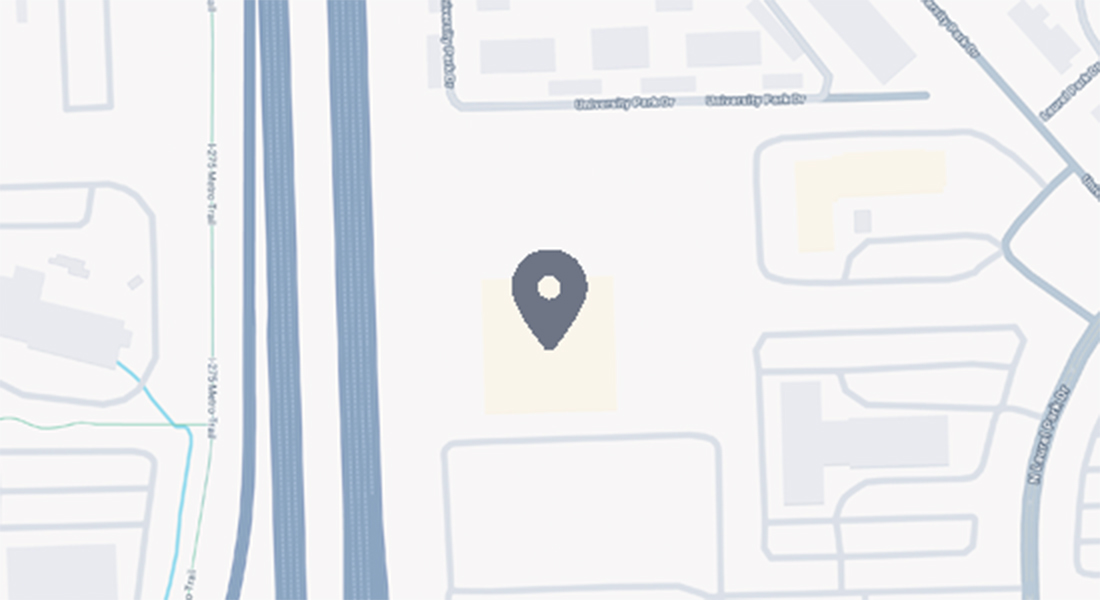
Fighting for injury victims across Michigan, proudly serving clients statewide from our office in Livonia.