Dedicated to Justice.
Devoted to You.
Winning for Your Future.
Devoted to You.
Winning for Your Future.


A cubic yard of soil weighs about 3,000 pounds. When a trench wall gives way, several yards can move at once, faster than anyone can react, and a worker caught in it is crushed or buried in seconds. Coworkers who go in after someone are at risk from the same walls. Trench collapses are among the deadliest events in construction, and they are also among the most preventable, which is exactly why the legal questions afterward are so pointed.
The prevention is not theoretical. After 39 workers died in trenches nationally in 2022, federal officials made unprotected trenches an enforcement priority, and the deaths fell to 15 in 2023 and 12 in 2024, as of the Labor Department’s last full report, a drop of nearly 70 percent. Sloped, shored, or shielded trenches rarely kill anyone. When a collapse happens anyway, our work is finding out which protections were missing and which companies were responsible for them, and Michigan’s own records show the problem is not somewhere else: MIOSHA’s preliminary fatality reports for 2026 include a worker killed in a trench collapse this summer. The work injury lawyers at Vahdat Weisman Law handle trench and excavation cases throughout Michigan. Call (734) 469-4994 for a free consultation. You pay no attorney fee unless we recover compensation.
Michigan’s excavation standard, MIOSHA’s Construction Part 9, tracks the federal rules. The sides of a trench more than five feet deep must be sloped back, shored, or shielded with a trench box, and shallower trenches need protection too when the ground shows signs of hazardous movement. Sloping and shoring keep the walls in place; a trench box does something different: it protects the workers inside it when soil moves, which is why working outside the box is so dangerous. A competent person, someone trained to recognize soil and system hazards and with authority to stop work, must inspect excavations as work proceeds and again after every rainstorm. Workers need a ladder or other exit within 25 feet of lateral travel once a trench reaches four feet. Excavated soil and equipment must stay at least two feet back from the edge. Trenches deeper than 20 feet need a protective system designed by a registered engineer. And before digging at all, Michigan’s MISS DIG law, the Underground Facility Damage Prevention and Safety Act, requires notice through 811 or the online system so buried utilities are marked, because a struck gas or electric line can kill without any soil moving.
Soil is also more treacherous in Michigan than a morning glance suggests. Much of what excavators dig here is sand, wet clay, or previously disturbed ground, the least stable classifications under the soil typing rules, and freeze-thaw cycles, spring rain, and vibration from nearby equipment can change a wall overnight. That is precisely what competent-person inspections exist to catch. In the collapses that become lawsuits, the trench usually had no protection at all: dug in a hurry, in soil someone decided looked stable, with the trench box sitting in the yard.
The hardest fact comes first, and you deserve it straight: if the trench was dug by your own employer, Michigan law bars a lawsuit against that employer no matter how clear the violations were, and comp is usually the remedy. The exception for intentional injury requires proof the employer intended the harm or knew it was certain and disregarded that knowledge, and courts apply it so strictly that even shocking trench cases rarely satisfy it. So the question that decides these cases is who else was involved, and on Michigan excavation jobs the answer is often several companies.
Utility, plumbing, and other crews routinely enter trenches dug by a different contractor. A digging company that opened an unprotected trench and turned other trades loose in it owes them ordinary care, a duty that exists regardless of contract language, and the Michigan Supreme Court underscored it in July 2026 in Bowerman v Red Oak Management, allowing a jury to find a contractor negligent for leaving the trench it dug uncovered and unmarked, days after finishing the work. A general contractor that let an unprotected trench stay open on a multi-employer site can face a claim under the common work area doctrine, though all four of its elements must be proven, and defense lawyers regularly argue that a trench occupied by one or two workers did not expose a significant number; our general contractor and subcontractor liability page explains those fights. Beyond the site itself, shoring and shield suppliers answer for defective or mismatched equipment under standards that differ for manufacturers and rental yards, engineering firms answer for designs that ignored soil conditions, and where a line strike is involved, the dig tickets and locating records show whether the excavator never called, dug carelessly around marks, or was working off a mismark. One more issue we check in every trench case: whether the worker was labeled a 1099 independent contractor, because misclassification affects both comp eligibility and who can be sued.
Many trench cases come to us as death cases. The lawsuit proceeds through the estate: a personal representative is appointed and brings the claim for the family, with damages that can include loss of society and companionship, lost financial support, funeral and burial expenses, and the decedent’s conscious pain and suffering. Workers’ comp pays statutory death benefits to dependents on its own track, generally for up to 500 weeks, which is part of why the civil case matters so much to a family’s long-term stability. MIOSHA investigates fatal collapses, and its file becomes central evidence, but families should not wait for it: the trench is usually backfilled within days, and an independent inspection, soil documentation, and photographs before the scene changes can matter more than anything the agency later publishes. Criminal charges against employers exist under Michigan law for willful violations causing death, but that is the state’s case and the state’s decision; the civil claim belongs to the family and does not wait for any prosecution.
Workers’ comp pays medical care and generally 80 percent of after-tax average weekly wage, capped at $1,201 per week for 2026 injuries, or statutory death benefits, and nothing for pain and suffering or a family’s loss. A third-party recovery can add what comp excludes, runs alongside the benefits, and reimburses the comp carrier under lien rules that share the litigation expenses and credit the balance against future benefits, which can pause future comp checks for a period. We walk through that math with you before recommending any settlement. Survivors of a partial burial need close medical attention too: crush injuries, compartment syndrome, kidney complications, and the psychological aftermath of being buried often develop after the first hospital visit, and documenting them early is part of the legal work.
The physical evidence in a trench case disappears faster than in almost any other: the excavation gets backfilled, the unused shield goes back to the yard, and the soil conditions that explain the collapse literally wash away. We move immediately: preservation letters, an independent inspection where possible, the MIOSHA file, dig tickets and locate records, which MISS DIG retains for years, and soil and engineering experts when the failure needs explaining, and we keep the comp benefits and the civil case coordinated so neither harms the other. Founding partners Kara E. Weisman and Jordan S. Vahdat have each been honored as Super Lawyers Rising Stars, and our attorneys are members of the State Bar of Michigan and active in the Michigan Association for Justice. We advance case costs, our phones are answered 24/7, and we serve clients in English and Spanish from our Livonia office.
Related pages: third-party work injury claims, crane accidents, and construction falls from heights.
Trench protections are simple, required, and cheap compared with what their absence costs a family. If they were missing when it mattered to yours, you are entitled to know who made that decision, and finding out is free. Call Vahdat Weisman Law at (734) 469-4994 or contact us online for a free consultation. Available 24/7, serving all of Michigan, with Spanish-speaking staff.
Dedicated to Justice. Devoted to You. Winning for Your Future.
This information is for educational purposes only and does not constitute legal advice. Every case is unique, and prior results do not guarantee future success.




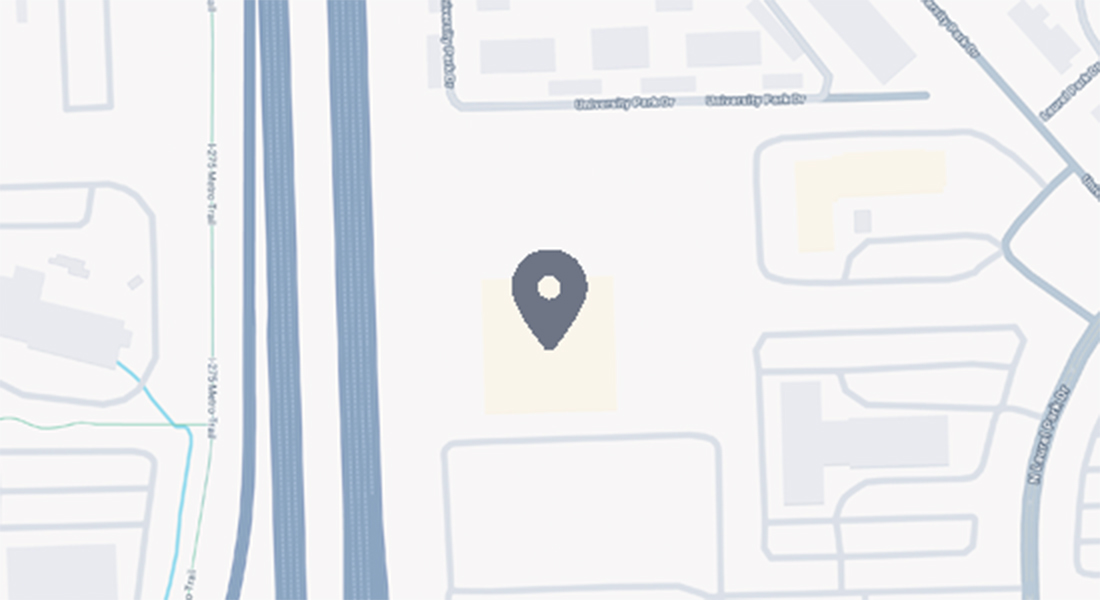
Fighting for injury victims across Michigan, proudly serving clients statewide from our office in Livonia.