Dedicated to Justice.
Devoted to You.
Winning for Your Future.
Devoted to You.
Winning for Your Future.


Michigan recorded 1,099 traffic deaths in 2024, according to the Michigan State Police year-end crash report. Each one left a family doing what you may be doing right now: grieving a person while bills, adjusters, and paperwork demand decisions nobody is prepared to make.
Vahdat Weisman Law helps Michigan families through what comes after a fatal crash. Our wrongful death lawyers investigate the collision, handle the insurance claims, guide the estate steps a lawsuit requires, and deal with every insurer so you do not have to. Call (734) 469-4994 for a free, confidential consultation, any hour of the day or night. You pay no attorney fee unless we recover compensation for you.
A fatal Michigan car accident typically creates two distinct claims, and they need to be protected at the same time, from the start.
Sometimes the same insurance company sits on both sides of that line, and mistakes in one claim can damage the other, which is why we investigate and calendar both together from day one.
Under MCL 500.3108, dependents of a person killed in a Michigan motor vehicle accident can receive survivor’s loss benefits for up to three years after the accident. These replace the tangible support the dependents would have received: the portion of income that supported the household, the value of benefits like employer health coverage, plus up to $20 per day for the services your loved one performed, from childcare to home maintenance. Dependents generally include a spouse who lived with the deceased and children under 18, and can include others who were actually dependent, so it is worth asking rather than assuming.
The benefit is capped monthly, and the cap adjusts every year. For accidents occurring between October 1, 2025 and September 30, 2026, the maximum is $7,201 per month. Michigan no-fault also pays funeral and burial expenses; the policy sets the limit, which by statute falls between $1,750 and $5,000.
Three warnings from experience. First, which insurer owes these benefits follows priority rules, generally the deceased’s own policy, then a spouse’s or resident relative’s policy, and when no policy exists in the household, the Michigan Assigned Claims Plan, so a family is rarely without a path to benefits. Second, MCL 500.3145 generally requires written notice to the insurer or suit within one year, and limits recovery to losses from the year before suit is filed. Third, applying to the wrong company or applying late can cost benefits your family is owed. Notify early, and notify correctly.
Michigan’s wrongful death act, MCL 600.2922, governs the case against the at-fault driver, and it works differently than families expect.
Only the personal representative of your loved one’s estate can file the lawsuit, which means an estate must be opened and a personal representative appointed first. We guide families through those steps. Most appointments are uneventful; some become contested, and we will tell you honestly which situation yours looks like.
The relatives who may share in a recovery are set by statute, generally the spouse, children, descendants, parents, grandparents, brothers and sisters, and those who inherit under the will or intestacy law. The personal representative must notify these family members, and at the end of the case the court approves how the proceeds are divided, based on the family’s agreement or after a hearing when relatives disagree. The law also separates two kinds of money: damages for what your loved one experienced belong to the estate, while damages for each family member’s own loss are allocated to them individually. That distinction affects creditors, liens, and who ultimately receives what, and handling it correctly is part of the job.
On fault: death is expressly a threshold injury under MCL 500.3135, so the family does not face the “serious impairment” fights that injury cases involve. But comparative fault still applies to this claim. If the defense convinces a jury your loved one was more than 50 percent at fault, non-economic damages are barred entirely, and any fault percentage reduces the recovery. Insurers start building that argument immediately. We answer it the only way that works, with evidence: crash reconstruction, event data recorder downloads, and witness statements gathered before vehicles are scrapped and video is overwritten. Fault does not reduce the no-fault survivor benefits, which is one more reason the two claims must be handled by people who know where each rule applies.
Under the wrongful death act, recoverable damages include reasonable medical, hospital, funeral, and burial expenses, the conscious pain and suffering your loved one endured between injury and death, the loss of financial support the family reasonably would have received, and the loss of society and companionship of the person who died. Michigan does not cap non-economic damages in ordinary car accident wrongful death cases, unlike medical malpractice claims.
Two points deserve emphasis. Conscious pain and suffering compensates what your loved one experienced, even if they survived only minutes, and proving it takes EMS records, witness accounts, and medical testimony gathered early. And loss of society and companionship is usually the largest element: what the person actually was to the people who loved them, established through the family’s own testimony and life, presented with the dignity it deserves.
Other defendants can change the case entirely. When a drunk driver caused the crash, Michigan’s dram shop law can reach the bar or store that unlawfully served a visibly intoxicated person or a minor, but it demands written notice within 120 days of retaining a lawyer and suit within two years. A defective roadway claim against a road agency carries governmental immunity hurdles and its own 120-day notice requirement. A defective vehicle adds a product claim. And because at-fault drivers too often carry minimal coverage, we examine every policy that might apply: the driver’s, the owner’s under Michigan’s owner liability law, employers’, umbrella policies, and your own household’s uninsured and underinsured motorist coverage, which has notice and consent-to-settle provisions that can be forfeited by accepting the wrong check.
The general deadline for a Michigan wrongful death lawsuit based on negligence is three years from the crash under MCL 600.5805. Because the claim belongs to an estate, the saving provision in MCL 600.5852 can allow the personal representative to file within two years of receiving letters of authority, subject to strict outer limits.
The real deadlines are shorter: one year on the no-fault side, 120 days for dram shop and governmental notices, and days or weeks for the evidence. Event data recorders leave with scrapped vehicles. Surveillance video is overwritten. Witnesses move. The strongest cases we handle are the ones where the family called early, even before deciding whether to pursue anything.
Your family comes first. But a few things should not wait: keep the crash report number, photographs, witness names, your loved one’s insurance policy, and every bill or letter that arrives, and ask that the vehicles be preserved rather than released or scrapped. Give your own insurer timely notice of the accident, but hold off on recorded statements, and give the at-fault driver’s insurer nothing at all until you have counsel. If an early settlement offer appears, have it valued before anyone signs, because a release can extinguish far more than the check covers, including underinsured motorist rights.
Then talk to a lawyer who handles fatal crash cases. Not because suit must be filed tomorrow, but because the notices, preservation letters, and benefit applications of the first month shape everything after.
We move immediately on the things that cannot wait: evidence preservation, statutory notices, and the no-fault application, while walking your family through the estate steps at a human pace. We prepare each case for trial because that preparation is what insurers respond to, and we explain every decision in plain language, in English or Spanish. Grief is heavy enough; the legal process should not add to it.
Founding partners Kara E. Weisman and Jordan S. Vahdat have each been honored as Super Lawyers Rising Stars, and our attorneys are members of the State Bar of Michigan and active in the Michigan Association for Justice. We advance case costs and represent families across Michigan, from Wayne, Oakland, and Macomb counties to every corner of the state, from our Livonia office. Phones are answered 24/7. If your loss came from a crash involving a commercial truck, our truck accident wrongful death page explains how those cases differ.
You are grieving, and there are deadlines you should never have to think about. Let us carry that part. Call Vahdat Weisman Law at (734) 469-4994 or contact us online for a free, confidential consultation. Available 24/7, serving all of Michigan, with Spanish-speaking staff.
Dedicated to Justice. Devoted to You. Winning for Your Future.
This information is for educational purposes only and does not constitute legal advice. Every case is unique, and prior results do not guarantee future success.




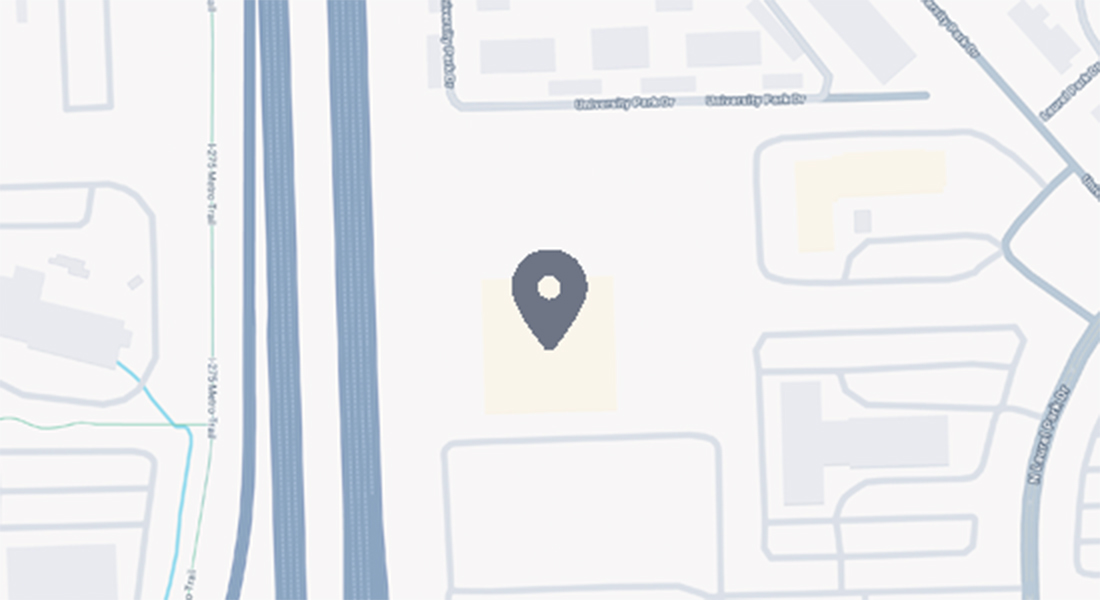
Fighting for injury victims across Michigan, proudly serving clients statewide from our office in Livonia.