Dedicated to Justice.
Devoted to You.
Winning for Your Future.
Devoted to You.
Winning for Your Future.


A boating trip in Michigan should end with everyone returning safely to shore. When it does not, the consequences can be devastating. Serious boating accidents can leave victims facing emergency medical care, surgery, lost income, permanent disability, and, in the most tragic cases, the death of a family member.
Michigan has extensive boating activity on inland lakes, rivers, and the Great Lakes, and with that activity comes the risk of collisions, propeller strikes, drowning incidents, jet ski crashes, and other preventable injuries. Michigan law regulates boating safety, prohibits operating while intoxicated, requires certain operators to hold a boating safety certificate, and imposes reporting duties following serious incidents. In many cases, an injured person may have the right to pursue compensation from the person or business responsible.
At Vahdat Weisman Law, our auto accident attorneys represent boating accident victims across Michigan from our Livonia office. Our firm’s message is clear: we are dedicated to justice, devoted to you, and determined to win, for you, your family, and your future. We offer free consultations, are available 24/7, and serve clients throughout Michigan. Our immediate statewide availability matters in boating accident cases because these claims often require a prompt investigation, careful preservation of the evidence, and a law firm prepared to handle serious injuries and fight insurance companies.
Boating injury cases are often caused by negligence. On the water, negligence can take many forms. A boat operator may speed through congested areas, fail to keep a proper lookout, make dangerous turns while towing tubers or skiers, ignore no-wake conditions, operate too close to swimmers, overload a vessel, or hand control of the boat to an inexperienced or impaired person. Personal watercraft crashes, dockside incidents, and rental boat accidents can also produce severe injuries. Michigan boating rules and safety guidance exist because these risks are well-known and preventable in many situations.
Alcohol is also a major issue in boating cases. Michigan law makes it unlawful to operate a motorboat while intoxicated or impaired by alcohol, controlled substances, or a combination of both. A boating injury case involving alcohol may support a strong negligence claim, especially where the operator’s poor judgment, slow reaction time, or reckless conduct contributed to the crash.
Our firm handles a wide range of boating and water-related injury cases in Michigan. These may include collisions between motorboats, jet skis, and personal watercraft crashes, tubing and water skiing incidents, passengers thrown overboard, propeller injuries, marina and dock accidents, rental boat negligence, and wrongful death claims arising from drownings or fatal trauma. In some cases, the responsible party is the operator. In others, the owner of the boat, a rental company, an event organizer, or another business may share legal responsibility.
Boating accidents often result in much more than minor injuries. Victims may suffer traumatic brain injuries, spinal cord damage, fractures, deep lacerations, crush injuries, hypoxic brain injury after near-drowning, and severe emotional trauma. Families who lose a loved one may have the right to bring a wrongful death claim under Michigan law.
A boating accident claim is usually built on negligence, but the strength of your legal position often depends on whether the operator or owner followed Michigan boating laws. For example, Michigan requires most operators to have a boating safety certificate before operating a vessel, and Michigan also imposes age restrictions on certain operators. Violations of these rules can become key facts in a civil case, especially when inexperience or lack of training contributed to the incident.
Life jacket compliance can also matter, both for you and the people you are suing. Michigan law requires boats to carry a personal flotation device for each person on board or being towed, and children under the age of 6 must wear an approved life jacket on the open deck of a vessel. In some cases, the absence of proper safety equipment becomes part of the larger story of negligence.
These rules do not replace a full negligence analysis, but they can help show that a boat operator, owner, or other party failed to act reasonably under the circumstances.
To succeed in a boating accident injury case, the injured person generally must prove that another party acted negligently and that the negligence caused measurable harm. That means showing a duty of reasonable care, a breach of that duty, causation, and damages. In boating cases, the duty of reasonable care may include operating at a safe speed, keeping watch for swimmers and other vessels, avoiding operation while intoxicated, using safe towing practices, properly maintaining the vessel, and complying with Michigan boating laws and restrictions.
The evidence needed to prevail in these cases can be complex. There may be conflicting witness accounts, limited photographs, changing water conditions, and no fixed scene (unlike a roadway intersection in an automobile collision case). Boats may be repaired quickly, onboard electronics may be lost, and memories can fade. That is why a prompt investigation is so important. A compelling case may involve the boating incident report, witness interviews, law enforcement records, photographs, videos, weather and water condition evidence, maintenance records, rental agreements, and, where relevant, proof of alcohol or drug use.
Michigan law requires reporting after certain boating accidents, and those reports can become important evidence later. The Michigan Department of Natural Resources (DNR) uses an official boating incident report form under the Marine Safety Act (MCL 324.80101 et seq.). Reporting obligations can be triggered in cases involving serious injury or death, among other circumstances. These official reports are often one of the first pieces of documentation an attorney will review when evaluating what happened and who may be responsible.
A successful boating injury claim may allow an injured person to recover compensation for medical expenses, future treatment, rehabilitation, lost wages, reduced earning capacity, pain and suffering, disability, disfigurement, and other losses caused by the incident. In catastrophic cases, damages may also include long-term care needs, home modifications, and other future costs tied to permanent injury.
When a boating accident causes death, Michigan’s wrongful death statute (MCL 600.2922) may allow recovery through the estate for the losses recognized by law. These cases are emotionally challenging and legally significant, so they require careful handling from the beginning.
Insurance companies and defense lawyers often try to shift blame after a boating accident. They may argue that the injured person should have been more careful, should not have boarded the vessel, should have worn a life jacket, or accepted the risk of being on the water. Michigan law follows comparative fault principles, which means fault may be allocated among the parties and damages can be reduced accordingly. Arguments about allocating fault are fact-specific and should be analyzed carefully, especially where the operator was speeding, inattentive, impaired, or otherwise acting unsafely.
A serious boating injury case should never be evaluated based only on what the insurer says in the first few days after the incident. The full picture often looks quite different after a proper investigation.
Michigan law generally provides a three-year limitations period for actions seeking damages for injury or death. Even so, waiting is risky. Evidence can disappear quickly in boating cases, and certain case-specific issues may affect deadlines or notice requirements. Families dealing with a fatal accident should also be aware that wrongful death claims follow a specific statutory framework under Michigan law that can come with its own unique deadlines.
From our Livonia office, Vahdat Weisman Law represents injury victims throughout Michigan. Our firm emphasizes personal attention, serious case preparation, and aggressive advocacy when negligent individuals and insurance carriers refuse to take responsibility for their and their insured’s wrongful conduct. Your case is not just about a damaged boat or a day gone wrong on the water. It is about your health, your recovery, your finances, and your future.
Boating accident cases can involve technical facts, multiple liable parties, and substantial damages. They deserve the same level of attention and preparation as any other major personal injury claim. Our firm is prepared to investigate what happened, preserve all relevant evidence, identify who is legally responsible, and pursue full compensation on your behalf.
If you were injured in a boating accident anywhere in Michigan, do not assume the insurance company will treat you fairly or that you cannot bring a claim. An experienced attorney can investigate the incident, determine whether boating laws were violated, identify all responsible parties, and fight for the compensation you deserve.
Vahdat Weisman Law proudly serves clients across Michigan from our Livonia office. Call (734) 469-4994 or fill out our confidential online form for a free consultation.
Disclaimer: This information is for educational purposes only and does not constitute legal advice. Every case is unique, and prior results do not guarantee future success.




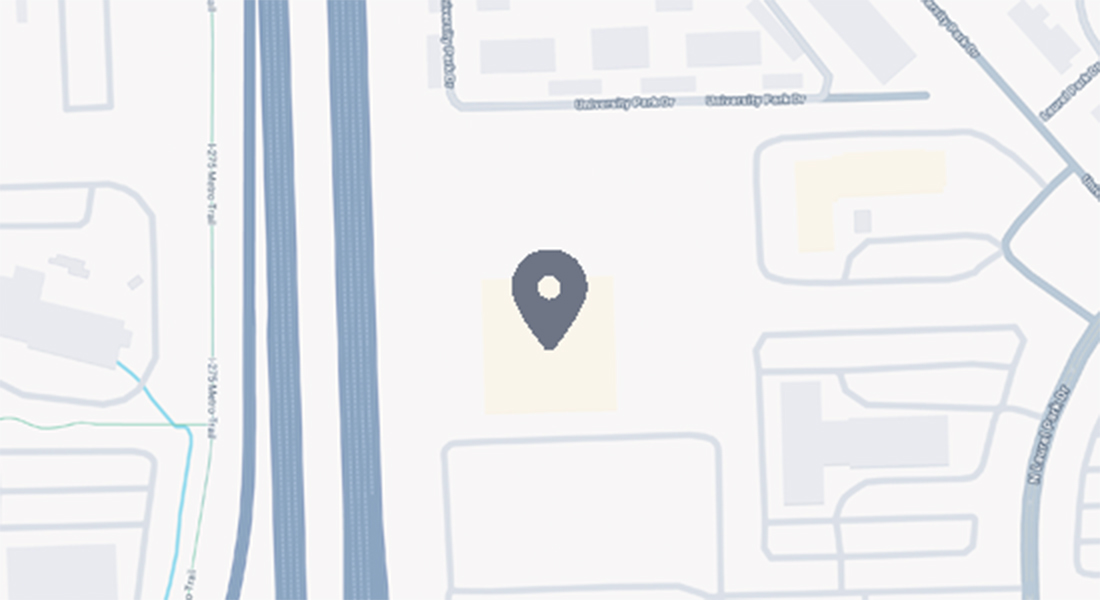
Fighting for injury victims across Michigan, proudly serving clients statewide from our office in Livonia.