Dedicated to Justice.
Devoted to You.
Winning for Your Future.
Devoted to You.
Winning for Your Future.
Intersections are where paths cross, and a single missed signal or failure to yield can put two vehicles in the same place at the same instant. When one strikes the side of the other in a T-bone or broadside crash, the people on the impact side are protected by little more than a door, which is why these collisions cause serious injuries even at moderate speed. And they frequently come down to a stubborn dispute that decides the whole case: which driver actually had the right of way.
Auto-accident attorneys at Vahdat Weisman Law represent people hurt in intersection and T-bone collisions in Livonia and across Michigan. We dig out the evidence of who was at fault before it disappears, protect your no-fault benefits, and pursue the driver who caused the crash.
A vehicle absorbs a frontal or rear impact through crumple zones; a side impact has far less structure to give. The result is that a T-bone often causes serious harm, broken ribs and pelvis, internal organ injuries, head and brain injuries, and spinal damage, at speeds that would be minor in a different kind of crash. The front-seat occupant nearest the impact and a child in the struck rear seat are especially exposed, which is one reason these cases call for a careful look at the injuries and the vehicle.
Most intersection crashes turn on right-of-way, and Michigan’s traffic laws set the rules. A driver facing a red light must stop and stay stopped; a driver at a stop sign must stop and then yield to traffic already in the intersection or close enough to be an immediate hazard; and a driver turning left must yield to oncoming traffic under MCL 257.650. The left-turn rule is not as simple as “the turning driver always loses,” though. A left-turning driver who lawfully entered the intersection on a green light is not required to sit and wait, and a driver going straight can lose the right of way by speeding or running a yellow or red. Even a driver who had the right of way still has to use reasonable care. When a driver did break one of these rules, that violation is a rebuttable presumption of negligence under Michigan law that the other driver has to overcome, a real advantage when we can prove it.
The hard part of an intersection case is that fault is often disputed, with each driver insisting the light was green and the police unable to say for sure. These cases are decided by evidence, and most of it is fragile. We move immediately to send preservation demands and gather the proof: traffic and red-light camera footage, nearby business and doorbell video, and the signal-timing and loop-detector data that shows which direction actually had the green, much of which is held by a city, county, or MDOT and erased within days. We also secure the vehicles’ event data recorders before the cars are repaired or sent to salvage, line up independent witnesses, and have a reconstruction expert read the physical evidence, the point of impact, the crush direction, the debris, and the resting positions, which often proves the light sequence better than memory does. The police report rarely settles it; the data does.
Michigan no-fault pays your medical bills and a share of lost wages no matter who was at fault, through your personal injury protection benefits. How much medical coverage you have depends on the level of the governing policy, from unlimited down to $250,000 or less since the 2019 reforms, and if a serious injury exhausts a capped policy, the excess medical bills and wage loss can be claimed against the at-fault driver, a claim that does not require a threshold injury. Notice and the one-year-back rule limit no-fault benefits, so timing matters.
For your vehicle, the mini-tort lets you recover up to $3,000 from the other driver if they were at least half at fault, reduced by any share of fault that is yours. And you can sue the at-fault driver for pain and suffering when your injury meets Michigan’s serious-impairment threshold: an objectively manifested impairment of an important body function that affects your general ability to live your normal life. Comparative fault reduces a recovery by your percentage of fault and bars pain-and-suffering damages entirely if you are more than 50% at fault, though your economic losses remain recoverable in reduced form, which is exactly why proving the other driver ran the light is so important. If that driver carried little or no insurance, your own uninsured or underinsured motorist coverage may be the key to a full recovery.
Three situations deserve special attention. A child injured in a side impact may have intrusion injuries despite a correct car seat, and a child’s settlement requires court approval, so the car seat should be preserved and the injuries carefully documented. When the vehicle that ran the light was a delivery van or truck, the company’s telematics, dashcam, and driver records become powerful evidence, and the employer may share liability. And when an intersection crash is fatal, the claim is brought as a wrongful death action through the estate’s personal representative. We handle each of these with the extra care they require.
A T-bone crash can mean a trauma workup, orthopedic surgery, weeks or months of treatment and missed work, and lasting limits on daily life, and in higher-speed or commercial crashes, catastrophic or fatal injury. We document the full medical and financial picture, pursue the no-fault benefits that cover your care, recover vehicle-damage costs through the mini-tort, and bring the liability claim for pain and suffering and the losses beyond what no-fault pays, proving the long-term cost where the injury is severe.
We move fast to preserve the camera footage, signal data, and vehicle data that proves who had the right of way, document your injuries fully, protect your no-fault benefits and deadlines, and pursue every source of recovery. From our Livonia office, attorneys Jordan S. Vahdat and Kara E. Weisman handle intersection and T-bone collision claims for clients across Metro Detroit and the rest of Michigan on a contingency-fee basis, so there is no attorney fee unless we recover for you.
Vahdat Weisman Law is a personal injury firm based in Livonia, Michigan, representing injury victims and their families throughout the state. Our attorneys, Jordan S. Vahdat and Kara E. Weisman, bring courtroom experience, a record of meaningful results, and a hands-on approach to investigation and case strategy. We prepare every matter as if it will go to trial, which positions clients for stronger settlements and protects their rights if litigation becomes necessary.
We handle intersection and T-bone collision injury claims on a contingency-fee basis, which means there is no attorney fee unless we recover compensation for you. From our Livonia office, we serve clients across Metro Detroit and the rest of Michigan, and we explain every step in plain language so you can make informed decisions about your case.
If you were hurt in an intersection or T-bone collision, contact Vahdat Weisman Law in Livonia today at (734) 469-4994 for a free, confidential consultation. Because the footage and data that prove fault can disappear quickly, the sooner we hear from you, the more we can protect. Reach out through our contact page to tell us what happened and learn about your options. There is no cost to speak with us about your potential claim.
Disclaimer: This information is for educational purposes only and does not constitute legal advice. Every case is unique, and prior results do not guarantee future success.


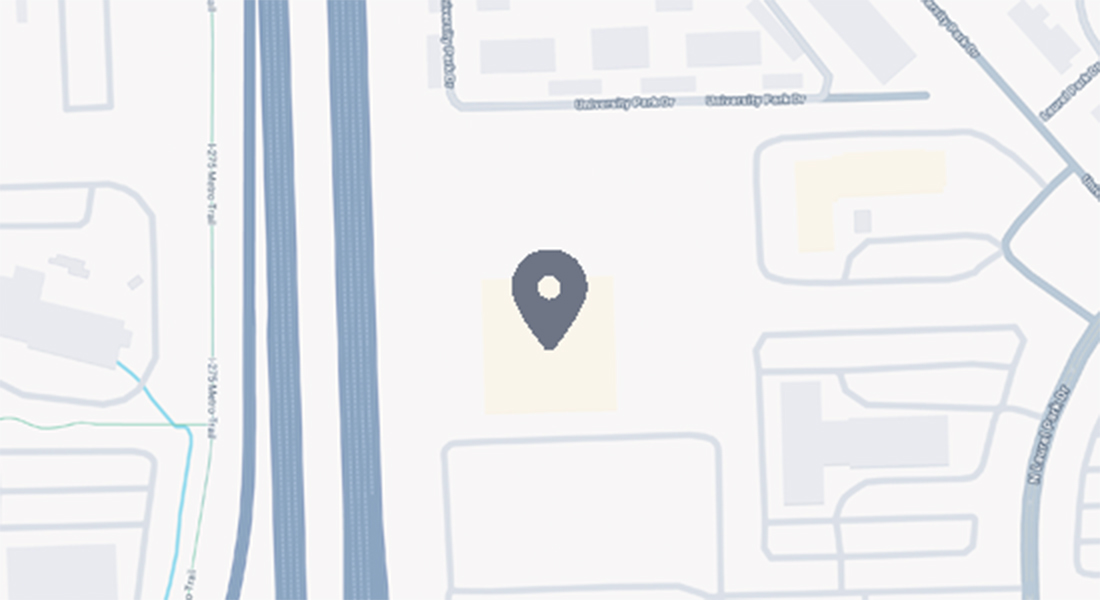
Fighting for injury victims across Michigan, proudly serving clients statewide from our office in Livonia.