Dedicated to Justice.
Devoted to You.
Winning for Your Future.
Devoted to You.
Winning for Your Future.


Michigan medical malpractice claims involve complex laws, strict deadlines, and extensive medical evidence. The experienced Michigan medical malpractice attorneys at Vahdat Weisman Law have helped patients and families pursue compensation for injuries caused by medical negligence, including surgical errors, misdiagnoses, medication mistakes, and hospital negligence. The FAQs below answer some of the most common questions about Michigan medical malpractice lawsuits and your legal rights.
Medical malpractice is a negligent act or omission by a licensed healthcare professional, healthcare facility, or their employees that causes injury during medical care or treatment. Specifically, Michigan’s medical-malpractice statute (MCL 600.5838a) expressly applies to physicians, nurses, dentists, hospitals, clinics, and other licensed providers or agencies.
Any individual or entity falling into the statutory definition in MCL 600.5838a may be named as a defendant in a medical-malpractice case, including the following:
Liability often extends to the employer under the doctrine of respondeat superior when negligence occurs in the course of employment.
Michigan follows a two-year statute of limitations measured from the date of the negligent act. If the harm is not immediately discoverable, you may file within six months of discovering the claim or within six months when you reasonably should have discovered the claim, whichever is later, but never more than six years after the negligent act occurred. There are, however, special rules for minors. If the malpractice victim was under the age of eight, an action may be filed until the child’s tenth birthday.
Before filing a medical-malpractice lawsuit, a claimant must mail a written Notice of Intent (NOI) to each prospective defendant at least 182 days in advance (MCL 600.2912b). Under specific conditions, such as for newly discovered parties, the waiting period can be shortened to 91 days.
The NOI must outline the factual basis of the claim, the applicable standard of care, how it was breached, and how that breach caused your injury or injuries. Failing to serve a compliant NOI can prevent you recovering anything.
When the complaint is finally filed, it must be accompanied by an Affidavit of Merit signed by a qualified medical expert. The affidavit must include the following information:
These elements are mandated by MCL 600.2912d to ensure only meritorious claims proceed to discovery and trial.
Yes. For injuries occurring in 2025, Michigan caps “pain and suffering” damages at $586,300 in most cases and $1,047,000 if the patient suffers a catastrophic, permanent loss, such as quadriplegia, severe cognitive impairment, or loss of reproductive capacity. The State Treasurer adjusts these caps annually for inflation. Economic damages, such as medical bills, lost wages, and future care, are not capped.
A successful plaintiff may recover the following in a medical-malpractice case may recover the following:
Expert testimony is the backbone of any medical-malpractice claim. Your expert must
An unqualified expert or an affidavit lacking detail can lead to the dismissal of your case.
Due to the pre-suit notice and affidavit of merit requirements, extensive discovery, and mandatory expert involvement, Michigan malpractice litigation often spans 18 to 36 months before trial. Many cases are informally resolved through settlement or mediation along the way.
We advance all litigation costs and work on a contingency-fee basis. You pay no attorney fees unless we recover compensation for you. Court costs and case expenses are reimbursed from the recovery as provided by the Michigan Rules of Professional Conduct.
Clients turn to the experienced personal injury attorneys at Vahdat Weisman for a variety of reasons. Here are some of the most common:
Medical malpractice deadlines are unforgiving. To protect your rights, we recommend that you (1) preserve all records, prescriptions, and relevant communications, (2) list the full names of every doctor, nurse, or facility involved, and (3) call Vahdat Weisman Law at (734) 469-4994 or fill out our online form for a free, confidential consultation.
Disclaimer: This information is for educational purposes only and does not constitute legal advice. Every case is unique, and prior results do not guarantee future success.


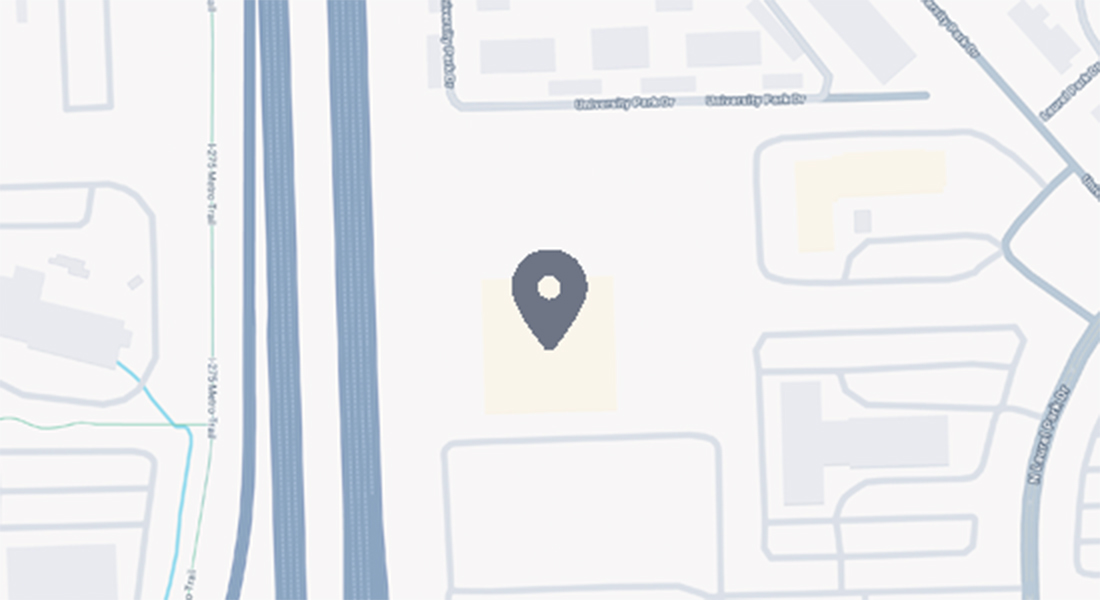
Fighting for injury victims across Michigan, proudly serving clients statewide from our office in Livonia.