Dedicated to Justice.
Devoted to You.
Winning for Your Future.
Devoted to You.
Winning for Your Future.


You noticed it during a visit. Bruises on her face or the inside of her arm. A mark shaped like a grip. A father who flinches when a particular aide enters the room, or who has gone quiet in a way that feels like fear rather than fatigue. When you asked, the answers did not quite fit, and the next time you asked, the answers changed.
Suspecting that someone is hurting your parent in the place you chose for them is its own kind of injury, and families often hesitate, worried they are overreacting or that complaining will make things worse for a resident who still lives there. Take the suspicion seriously. Elder abuse in institutions is more common than most families imagine: in studies reviewed by the World Health Organization, roughly two in three long-term care staff surveyed admitted committing some form of abuse or neglect within the past year, much of it verbal or neglect rather than physical, and a federal Government Accountability Office review found abuse citations in U.S. nursing homes more than doubled between 2013 and 2017. Vahdat Weisman Law represents Michigan residents and families in nursing home physical abuse cases. Call (734) 469-4994 for a free, confidential consultation, any hour. You pay no attorney fee unless we recover compensation.
Congress and CMS built strict reporting duties around exactly the suspicion your family may be carrying. Under 42 CFR 483.12, a facility must report any allegation of abuse to its administrator, the state survey agency, and adult protective services within two hours (incidents not involving abuse or serious injury get 24 hours), must protect the resident from further harm while it investigates, and must report the results of its investigation within five working days. A separate federal statute, part of the Elder Justice Act, requires individual staff members who suspect a crime against a resident to report it to law enforcement, within two hours if there is serious bodily injury.
Michigan law layers on its own duties. Nursing home staff must report suspected abuse under MCL 333.21771, which also forbids the facility from evicting, harassing, or retaliating against a patient or employee who makes a report. Health care and social service professionals are mandatory reporters to Adult Protective Services under the Social Welfare Act, and anyone can reach APS at 855-444-3911, day or night. Abuse of a vulnerable adult is also a crime in Michigan: MCL 750.145n grades caregiver abuse by intent and harm, with first-degree vulnerable adult abuse, the intentional infliction of serious harm, carrying up to 15 years in prison. Michigan’s Attorney General maintains an Elder Abuse Task Force and prosecutes caregivers through its Health Care Fraud Division, and in 2025 announced a $4.5 million settlement with six Detroit-area nursing homes over allegations that included understaffing and chronic neglect, allegations the operator denied.
Why do the reporting rules matter to your civil case? Because a facility that hid an incident, investigated it in name only, or missed every clock has shown you how it operates. The gap between what happened and what was reported is often some of the strongest evidence we find.
Elderly skin bruises easily, residents on blood thinners bruise more, and falls happen. Not every mark is abuse, and a case built on assumptions helps no one. But forensic research on elder abuse gives families something better than assumptions. Studies of confirmed abuse cases found that abuse-related bruises tend to be large and concentrated on the face, the outside of the arm, and the back or torso, places accidental falls rarely mark. Injuries at different stages of healing, fractures that do not match the reported mechanism, and a resident who can tell you how she got the bruise when staff cannot are all patterns clinicians treat as red flags.
The investigation we run matches injuries against paper. Incident reports, or their absence. Nurse’s notes in the hours around the injury. Whether the facility notified the family and the state on time, and what version it told each. Staffing schedules showing who was assigned to your parent. The employment file of any accused aide, because federal law prohibits facilities from employing individuals with prior abuse findings, and negligent hiring and retention are often part of the story behind an assault. Photographs, and where they exist, surveillance recordings, which get overwritten quickly unless someone demands preservation. That last point is one reason to call a lawyer early rather than waiting to see how the facility’s own inquiry turns out.
When police or the Attorney General charge an aide, families sometimes assume the legal system is now handling it. It is handling part of it. The criminal case punishes the individual; it does not compensate your parent, and it does not reach the facility whose understaffing, hiring shortcuts, or ignored warnings made the abuse possible. The civil case does both, and it runs on a lower standard of proof, which is why a civil claim can succeed even where prosecutors decline to charge or a jury acquits. The reverse is also true: a conviction or guilty plea becomes powerful evidence in the civil case. We routinely run our cases alongside criminal proceedings, coordinating timing so that neither harms the other.
In the civil case, the strongest claims against the facility usually rest on negligence: negligent hiring and retention, negligent supervision, and understaffing that left aggressive residents unmanaged or gave an aide with a known history unsupervised access to vulnerable people. Framing matters practically as well as legally; it decides whether a two-year malpractice clock or a three-year negligence clock applies, and it is one of the judgments we bring. Where abuse contributes to a death, the claim proceeds under Michigan’s wrongful death act through the estate’s personal representative, as our nursing home wrongful death page explains.
Damages include medical treatment for the injuries, the cost of relocating to a safer facility, and the physical pain and mental anguish the abuse caused; for an elderly person, the fear of the place they live is a profound harm, and Michigan law recognizes it. In fatal cases, the wrongful death claim covers medical and funeral expenses, conscious pain and suffering where the evidence supports it, and the family’s loss of society and companionship. Michigan law does not provide punitive damages, so the case is measured in the family’s real losses rather than in punishment, and depending on how the claim is characterized, medical malpractice caps may apply to some theories. Pleading and proofs are chosen carefully. Medicare and Medicaid liens are common and negotiable, and we review admission paperwork for arbitration clauses, which cannot lawfully be required as a condition of admission and are frequently challengeable.
If your loved one is in danger, call 911; safety comes before everything else. Get injuries medically documented by someone outside the facility, and photograph them with dates. Report your suspicion to APS at 855-444-3911 and file a complaint with LARA, Michigan’s licensing agency; reporting is protected against retaliation, and the state’s Long-Term Care Ombudsman can advocate for your resident as well. Ask the facility in writing for its incident report and whether it made its required reports to the state. Write down every explanation you are given, with names and dates. Then call us, and we will send preservation demands for video, staffing records, and personnel files before they disappear.
Abuse cases demand two things at once: urgency, because evidence in these cases evaporates, and judgment, because accusing the wrong person helps no one and the truth is sometimes a fall, not a fist. We investigate before we conclude, we tell families honestly what the evidence supports, and when it supports abuse, we pursue the facility’s role relentlessly rather than stopping at the individual aide. We handle the negligence and malpractice framing questions that shape deadlines and damages, and we coordinate with criminal prosecutions when they exist.
Founding partners Kara E. Weisman and Jordan S. Vahdat have each been honored as Super Lawyers Rising Stars, and our attorneys are members of the State Bar of Michigan and active in the Michigan Association for Justice. We advance case costs, phones are answered 24/7 at our Livonia office, and we serve families in English and Spanish. Our main nursing home abuse and neglect page covers the full range of facility failures, and our medication error and overmedication page addresses chemical restraint, the form of abuse that arrives in a pill cup instead of a fist.
If something in your gut says your loved one is not safe, act on it, and let us carry the investigation. Call Vahdat Weisman Law at (734) 469-4994 or contact us online for a free, confidential consultation. Available 24/7, serving all of Michigan, with Spanish-speaking staff.
Dedicated to Justice. Devoted to You. Winning for Your Future.
This information is for educational purposes only and does not constitute legal advice. Every case is unique, and prior results do not guarantee future success.




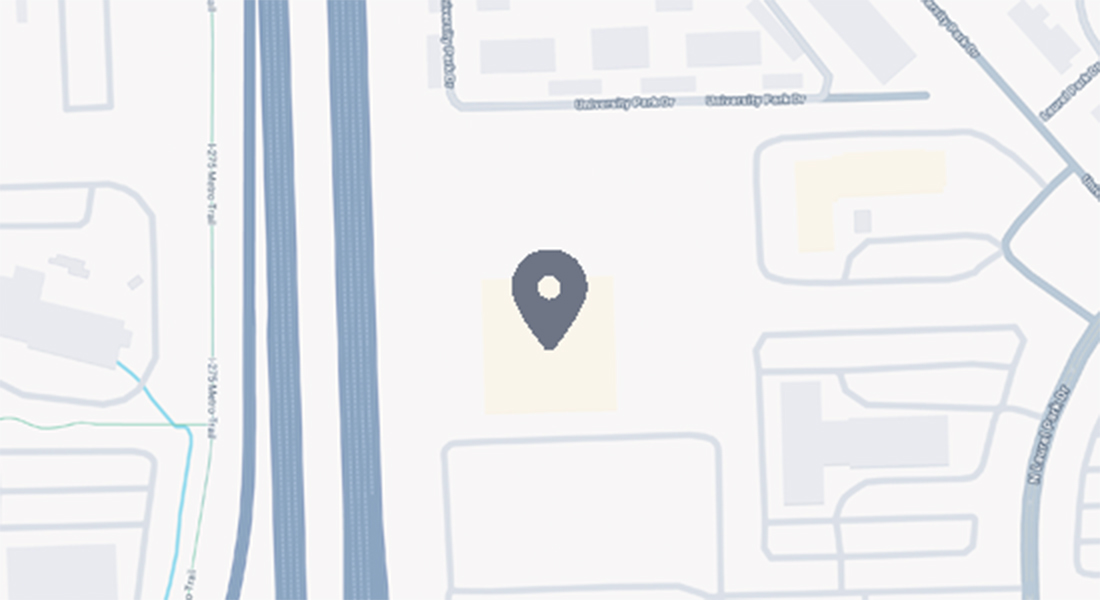
Fighting for injury victims across Michigan, proudly serving clients statewide from our office in Livonia.