Dedicated to Justice.
Devoted to You.
Winning for Your Future.
Devoted to You.
Winning for Your Future.


When an assault happens in a hotel, the first legal question is how the attacker got there, and the answer usually lives in records only the hotel controls. Key card and lock records showing which credentials opened your door and when. Lobby and hallway video. Records of who held master access. The reservation system’s own trail. Some of that evidence is overwritten in days, which is why the first week of a hotel case is mostly about preservation.
Vahdat Weisman Law sexual assault attorneys represent hotel and motel guests, visitors, and workers in sexual assault cases across Michigan, and we move on the records first. Call (734) 469-4994 for a free, confidential consultation, any hour. You pay no attorney fee unless we recover compensation.
Not automatically, and you deserve the real rule up front. Under Michigan law, a business generally has no duty to anticipate and prevent criminal attacks by third parties. The Michigan Supreme Court’s decision in MacDonald v PKT defines the duty narrowly: respond reasonably to criminal conduct actually occurring on the premises, which ordinarily means promptly involving the police, and Michigan courts have applied that same framework to hotels and their guests.
Strong hotel cases are therefore built on the hotel’s own conduct, and the theories are distinct. When the hotel’s affirmative acts gave the attacker access- a front desk that handed out a key to your room without verifying identity, for example- the case is about the hotel’s own negligence rather than a failure to predict crime; a Michigan federal jury verdict against a Livonia hotel on exactly those facts was upheld on appeal. When the physical security failed- a broken lock, latch, or connecting-door hardware- the case is about a dangerous condition of the premises. When staff watched an assault unfold and did not call for help, the case is about the response MacDonald itself requires. And when the attacker is an employee, Michigan law generally does not make the hotel automatically liable for an employee’s assault, so the case is built on negligent hiring, retention, supervision, and access control: who was given master keys, what screening was done, what earlier complaints existed. If the hotel bar overserved a visibly intoxicated attacker, Michigan’s dram shop law can add another defendant entirely.
Each of those failures leaves records, and whether the records still exist when a lawyer is finally called is the one variable that can be controlled early.
Some hotel assaults are part of trafficking that staff had reason to notice. Federal law gives trafficking survivors a civil claim under 18 U.S.C. § 1595, including against businesses that knowingly benefited from participating in a venture they knew or should have known involved trafficking, with a ten-year limitations period. Courts across the country, including in Michigan, are actively defining what hotels must have known, and these cases demand specific proof about the particular property, not just industry statistics. Michigan law separately makes traffickers civilly liable to their victims, on its own shorter deadline. If any part of your experience touches trafficking, the case changes and so does the list of defendants. We evaluate it confidentially and without judgment; trafficking survivors are victims under Michigan law, and we treat them that way.
The sign may say Marriott, Hilton, or Holiday Inn, while the operator is a franchisee LLC you have never heard of, alongside a management company and sometimes a security contractor with its own insurance. Michigan law holds a franchisor responsible for a property’s operations only where it retained real control over day-to-day operations, and brand standards alone usually are not enough, so whether the national brand belongs in the case is a genuine legal question that depends on the contracts and the facts. What is not in question is that identifying the correct entities early- owner, operator, management company, brand, security vendor, staffing contractor- determines whose insurance exists and whether a judgment can be collected. We do that work at the start, not after discovery closes.
Get medical care first. A sexual assault forensic exam, which Michigan hospitals must offer within 120 hours, preserves evidence, is not billed to you for its direct costs, and does not obligate you to press charges or sue. Report to police where the hotel sits when you are able; a report is not required for a civil claim, but an incident number helps every later records request. Before checkout, if possible, photograph the door, the lock, the latch, the room number, and anything broken, and keep your key cards, receipts, and confirmation emails.
Be careful with the hotel itself. You do not owe anyone a recorded statement, and you should not sign anything in exchange for a refund or comped stay, because releases signed early can end claims before anyone knows what the records show. The next call is to a lawyer, so a written preservation demand for lock audit records, surveillance video, staffing schedules, incident reports, and prior complaints reaches the hotel while all of it still exists.
Michigan law compensates medical and psychological care, past and future, lost income, and the pain, fear, and violation of the assault itself, including harms hotel survivors often describe, like losing the ability to travel or sleep away from home. Michigan does not allow punitive damages in the punishment sense, though exemplary damages can compensate for the humiliation of intentional wrongs, and the state’s Crime Victim Compensation program can help with counseling costs for eligible victims whether or not anyone is ever prosecuted. We value these cases based on the actual harm, prove it carefully, and never promise outcomes.
Hotel cases reward speed and precision: fast preservation, the right defendants, and a clear theory of what the hotel itself did wrong, because Michigan’s third-party crime doctrine will test every complaint. We build these cases on records, work alongside criminal investigations without waiting for them, and protect client privacy with pseudonym filings and protective orders where the court allows. If the hotel did everything right and a crime still happened, we will tell you that plainly, along with which other parties may still be responsible.
Founding partners Kara E. Weisman and Jordan S. Vahdat have each been honored as Super Lawyers Rising Stars, and our attorneys are members of the State Bar of Michigan and active in the Michigan Association for Justice. We advance case costs, our phones are answered 24/7, and we serve clients in English and Spanish from our Livonia office. Related pages: workplace sexual assault for hotel employees, and apartment sexual abuse.
The records that can prove what happened to you will not preserve themselves. Call Vahdat Weisman Law at (734) 469-4994 or contact us online for a free, confidential consultation. Available 24/7, serving all of Michigan, with Spanish-speaking staff.
Dedicated to Justice. Devoted to You. Winning for Your Future.
This information is for educational purposes only and does not constitute legal advice. Every case is unique, and prior results do not guarantee future success.




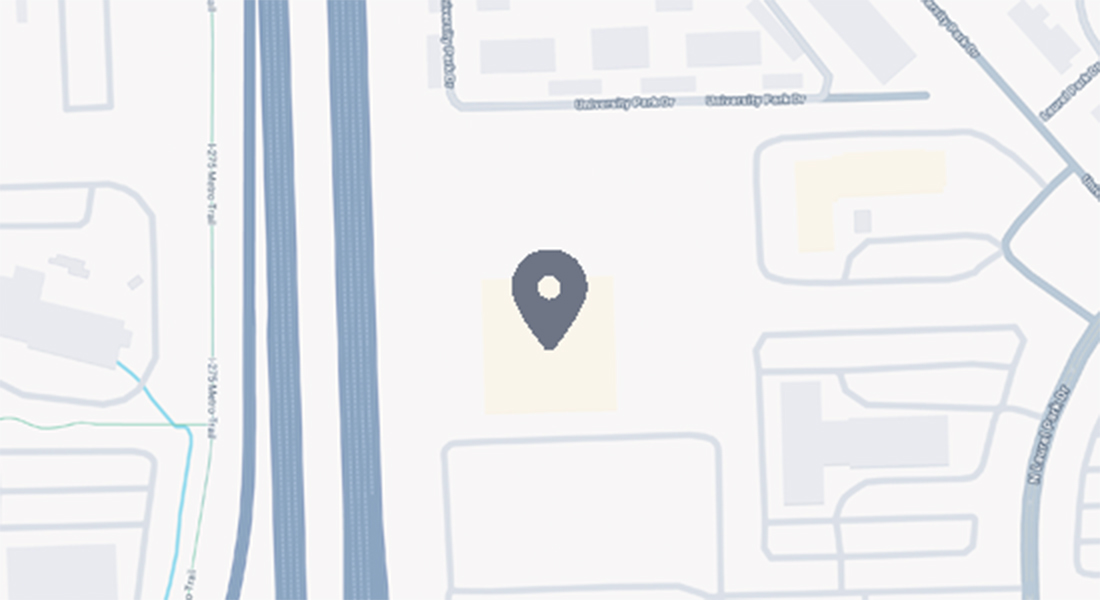
Fighting for injury victims across Michigan, proudly serving clients statewide from our office in Livonia.