Dedicated to Justice.
Devoted to You.
Winning for Your Future.
Devoted to You.
Winning for Your Future.


The Great Lakes Surf Rescue Project has documented more than 1,450 Great Lakes drownings since 2010, 94 of them in 2024 alone, and Lake Michigan is consistently the deadliest of the five. Nationally, the U.S. Coast Guard counted 556 recreational boating deaths in 2024; where the cause was known, 76 percent of victims drowned, and 87 percent of those who drowned were not wearing a life jacket. Alcohol remained the leading known contributing factor in fatal boating accidents.
Some drownings are genuine accidents that no one could have prevented, and if that is what the evidence shows in your case, we will say so. But many follow decisions someone made: an operator who had been drinking, a rental company that handed over a boat without instruction or properly sized life jackets, a pool gate that had not latched in months, a hazard the property owner knew about and left unaddressed. Michigan law gives families a path to accountability for those decisions. Vahdat Weisman Law represents Michigan families after fatal drownings and boating crashes. Call (734) 469 4994 for a free, confidential consultation, any hour. You pay no attorney fee unless we recover compensation for your family.
Recreational boating in Michigan is governed by the marine safety provisions of the Natural Resources and Environmental Protection Act. Reckless operation of a vessel is prohibited under MCL 324.80147. Boating under the influence is prohibited under MCL 324.80176, which reaches operators at 0.08 blood alcohol and operators impaired by alcohol or drugs regardless of the number, and an intoxicated operator who causes a death can face a felony carrying up to 15 years. Every vessel must carry a life jacket for each person aboard, children under six must wear one on the open deck of a vessel underway, and operators born after June 30, 1996 must hold a boating safety certificate. Violations of these rules are not just criminal matters; they are powerful evidence of negligence in the civil case.
When alcohol is involved, the civil case can reach beyond the operator. If a licensed bar, restaurant, or marina served the operator while visibly intoxicated, or served a minor, Michigan’s dram shop law can bring that business into the case. These claims have unforgiving mechanics: written notice within 120 days of retaining a lawyer, a two-year filing deadline, and a requirement to name and retain the intoxicated person in the case. Our drunk driving wrongful death page explains them in detail, and the practical point is that bar receipts and surveillance video are being overwritten while families wait.
The boat’s owner matters too. Under MCL 324.80157, the owner of a vessel can be liable for negligent operation by someone using it with the owner’s consent, and consent is presumed for certain family members. The person at the helm is not always the only responsible party.
Fatal boating cases differ from fatal car crashes in a way that shapes everything: Michigan’s no-fault system generally does not apply on the water. A boat is not a motor vehicle under the no-fault act, so a death caused purely by a vessel comes with no PIP benefits, no survivor’s loss benefits, and no assigned claims safety net. (Where a car, truck, or trailer was part of the incident, at a launch ramp, for example, no-fault questions can re-enter, and we check.) The claim is a fault-based liability case, and recovery depends on proving negligence and on what insurance actually exists.
Michigan does not require boat owners to carry liability insurance. Some carry substantial boat and umbrella coverage; others carry none, and a homeowner policy may or may not cover a small, low-horsepower boat depending on its terms. Commercial operations usually carry coverage, but not always enough. An early, exhaustive search for every policy that could apply- boat, homeowner, umbrella, commercial- is often the difference between accountability and a judgment no one can collect, and it is one of the first things we do. We will also tell you plainly if the coverage picture is bad, because families deserve that answer early, not after a year of litigation.
One more thing to know: after a serious wreck on navigable waters, which includes the Great Lakes, a vessel owner can file a federal proceeding under the Limitation of Liability Act of 1851 asking the court to cap liability at the post-accident value of the boat, which for a destroyed vessel can be nearly nothing. The owner must file within six months of written notice of a claim, and limitation is defeated where the owner had knowledge of, or a hand in, the negligence at issue; an owner who was driving the boat drunk cannot hide behind it. These filings can pull the case into federal court on short deadlines, and families should not face one without counsel.
Not every drowning involves a boat. The CDC counts more than 4,500 drowning deaths a year in the United States, and drowning is the leading cause of death for children ages one to four, most often in residential pools.
A drowning at a pool, hotel, short-term rental, or private pond is usually a premises liability case: did the person in control of the property take reasonable care against a danger they knew or should have known about? Michigan’s residential construction code requires pool barriers, generally at least 48 inches high with self-closing, self-latching gates, and while a code violation does not automatically decide a case, a gate that would not latch has been at the center of more than one child’s death. Owners and hosts who offer pool access take on the duties that come with it, and the condition of the gates, fences, drains, and warnings in the hours after a drowning is critical evidence.
Michigan law shifted in families’ favor in 2023. For years, property owners won dismissal by arguing a hazard was “open and obvious.” The Michigan Supreme Court’s Kandil-Elsayed decision ended that automatic exit: obviousness now factors into breach and the victim’s comparative fault, questions typically weighed on the evidence, rather than erasing the owner’s duty at the threshold. Claims that would have been dismissed a few years ago now get a fuller analysis. Where the victim is a child, the law also recognizes that children cannot appreciate water dangers the way adults do, and hazards that draw children in carry duties of their own, though these doctrines have specific requirements we evaluate case by case.
Deaths at public beaches and parks run into governmental immunity, which shields cities and counties except through narrow statutory exceptions, and claims against individual employees require proof of gross negligence that was the proximate cause of the death. Michigan appellate courts are actively litigating how these rules apply to beach drownings, so what is possible depends on current law and your specific facts. We will give you a candid assessment either way.
Boat rental businesses, called liveries, operate under their own statutory duties in MCL 324.44501 and the sections that follow, covering equipment, inspections, and rental documentation, with requirements that vary by the kind of craft. A livery that hands the keys to an untrained renter without instruction or properly fitted life jackets is not just careless; it may be out of compliance with the statutes written for exactly this risk. Rental paperwork, inspection records, and training practices all become evidence. Renters are usually handed a waiver, and Michigan courts do enforce clearly written waivers in some circumstances, but waivers have real limits, particularly for children and where statutory duties are involved, so bring us the document rather than assuming it ends the case.
However the drowning happened, the Michigan claim proceeds under the wrongful death act, MCL 600.2922, filed by the personal representative of the estate, an appointment we handle through probate. Deaths on the Great Lakes can also implicate federal maritime law, which can change the rules that apply, another reason these cases reward counsel who look before pleading. Damages include funeral and burial expenses, medical expenses, conscious pain and suffering where the evidence shows a survival interval, the loss of financial support the family depended on, and the family’s loss of society and companionship. The general filing deadline is three years under MCL 600.5805, but shorter clocks run inside these cases: dram shop notice, a possible federal limitation filing, and evidence that fades fast.
Request the sheriff’s marine division’s incident report, or the police and fire reports for a pool or beach drowning, and keep the report numbers. Preserve everything physical: the life jackets, the rental agreement and waiver, your loved one’s phone, photos from the day. Write down the names of everyone who was on the water or at the pool, because these cases turn on witnesses who scatter. If a rental company or a business’s pool is involved, talk to us before signing anything they send or giving recorded statements; your own insurer may be owed cooperation, and we will help you sort which is which. Then let us take over the insurance investigation, the preservation letters, and any response to a federal limitation filing.
Drowning and boating deaths combine marine safety law, premises liability, dram shop claims, sometimes federal maritime law, and an insurance landscape with no safety net. We find the coverage, we move immediately on the evidence that water and time erase, and we tell families the truth about which claims their facts support, including when the honest answer is that the law or the coverage is not there. We explain every step in plain language, in English or Spanish, for families across Michigan, from the Great Lakes shoreline to every inland lake between.
Founding partners Kara E. Weisman and Jordan S. Vahdat have each been honored as Super Lawyers Rising Stars, and our attorneys are members of the State Bar of Michigan and active in the Michigan Association for Justice. We advance case costs, and phones are answered 24/7. Our main wrongful death page explains how Michigan fatal injury claims work generally.
If someone’s decisions cost your loved one their life on the water, your family deserves to know and to be heard. Call Vahdat Weisman Law at (734) 469-4994 or contact us online for a free, confidential consultation. Available 24/7, serving all of Michigan, with Spanish-speaking staff.
Dedicated to Justice. Devoted to You. Winning for Your Future.
This information is for educational purposes only and does not constitute legal advice. Every case is unique, and prior results do not guarantee future success.




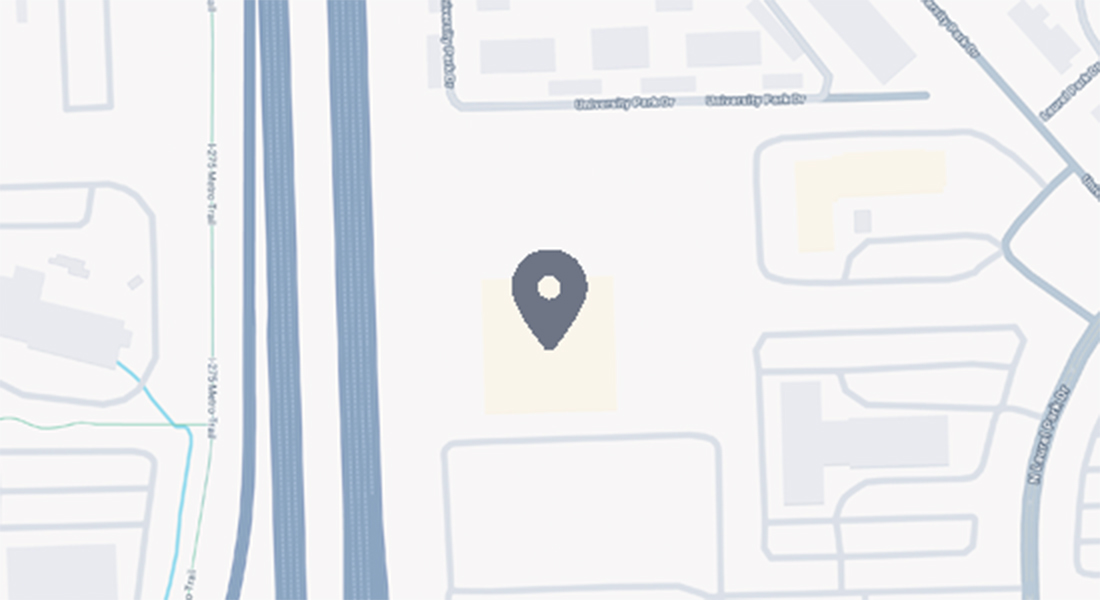
Fighting for injury victims across Michigan, proudly serving clients statewide from our office in Livonia.