Dedicated to Justice.
Devoted to You.
Winning for Your Future.
Devoted to You.
Winning for Your Future.

Crashes involving alcohol killed 307 people on Michigan roads in 2024, more than a quarter of all traffic deaths in the state, according to Michigan State Police crash data. What makes this grief distinct for many families is the knowledge that it did not have to happen: someone drank, then drove.
Vahdat Weisman Law represents Michigan families after fatal drunk driving crashes. We pursue the driver, and we investigate whether a bar or store that unlawfully served them shares responsibility, a claim most families have never heard of, with evidence that starts disappearing within days. Call (734) 469-4994 for a free, confidential consultation, any hour. You pay no attorney fee unless we recover compensation for your family.
After a fatal drunk driving crash, the prosecutor takes over the criminal side. Under MCL 257.625, operating while intoxicated causing death is a felony carrying up to 15 years in prison, and up to 20 in specific circumstances, such as a repeat offender with a very high blood alcohol level, or the death of an emergency responder. Families understandably invest their hope in that prosecution.
But the criminal case exists to punish. Court-ordered restitution rarely approaches what a family actually lost, and a plea deal can close the criminal file in months. The civil wrongful death case is separate, brought through your loved one’s estate, and it runs on its own track with a lower burden of proof, so the outcome of the criminal case does not decide it: a conviction becomes powerful evidence in the civil case, and even an acquittal or dropped charges do not end the civil claim, because proof by a preponderance of the evidence is a different and lower bar than proof beyond a reasonable doubt. The prosecution’s file, blood alcohol results, crash reconstruction, and witness statements become a foundation we build on. We coordinate with the criminal timeline, stand with families at those hearings, and make sure the civil case never waits on the prosecutor’s schedule, because some of its deadlines will not wait.
Michigan law reaches beyond the driver. Under the dram shop provisions of MCL 436.1801, a licensed bar, restaurant, or store that unlawfully sold alcohol to a visibly intoxicated person or to a minor can be held liable when that person kills someone. And “bar” undersells the statute’s reach: it covers any retail liquor licensee, including restaurants, stadiums, golf courses, banquet halls, and fraternal clubs. A dram shop claim places accountability on a business that kept serving, and it adds a defendant with commercial insurance, which matters because drunk drivers too often carry minimal coverage or none.
These claims run on strict rules. Written notice must go to the licensee within 120 days of retaining an attorney for the claim, suit must be filed within two years, and Michigan law presumes that only the last licensee to unlawfully serve is liable, a presumption other bars can hide behind unless it is rebutted with clear and convincing evidence. The law also requires the intoxicated driver to be named and retained in the lawsuit, which carries a trap for the unwary: settling with or releasing the driver too early can destroy the claim against the bar.
The proof turns on what servers could actually see when they poured: slurred speech, stumbling, behavior an ordinary person would recognize. A high blood alcohol number alone is not enough under Michigan law, though toxicologists can work backward from it, called retrograde extrapolation, to support what witnesses saw. That evidence lives in receipts, tab records, point-of-sale data, and above all surveillance video, which bars overwriting on cycles measured in days or weeks. The 120-day notice clock does not start until a lawyer is retained, but the evidence never waits, and that is the real reason to call early.
One more path exists when the driver was underage: Michigan imposes civil liability on adults, including social hosts, who furnish alcohol to minors. There is no comparable social host liability for serving adults, and we will tell you plainly which claims your facts support.
The wrongful death case proceeds under MCL 600.2922. Only the personal representative of the estate can file it; the family members who may share in the recovery are set by statute, and the court approves the distribution. Recoverable damages include funeral and burial expenses, medical bills, the conscious pain and suffering your loved one endured, the loss of financial support the family would have received, and the loss of society and companionship, which Michigan does not cap in these cases.
On the question families ask most: Michigan does not allow punitive damages, money awarded purely to punish. A narrow category called exemplary damages exists for willful and malicious conduct, but it compensates rather than punishes, and courts apply it sparingly. We will not promise a punishment number. What the drunk driving evidence actually does is present the jury with a death that a defendant’s own choices caused, and juries take that seriously in valuing every element the law does allow.
Alongside the lawsuit, Michigan’s no-fault system pays survivor’s loss benefits under MCL 500.3108 to your loved one’s dependents, up to three years of lost support and services after the crash, capped at $7,201 per month for accidents from October 2025 through September 2026, plus funeral expenses between $1,750 and $5,000 depending on the policy. These benefits are paid regardless of fault and follow statutory priority rules, with a one-year deadline under MCL 500.3145 that also limits how far back benefits can reach once a claim is filed. When the priority chain produces no insurer, the Michigan Assigned Claims Plan can provide a path. Our car accident wrongful death page explains the two-claim structure in detail.
The least responsible drivers often carry the least coverage. When the drunk driver is uninsured or underinsured, we look everywhere else the law allows. The vehicle’s owner can be liable under Michigan’s owner liability statute, MCL 257.401, when the car was driven with the owner’s consent. The dram shop claim reaches the bar’s insurance. Your own household’s uninsured and underinsured motorist coverage can stand in for the drunk driver’s missing policy, a claim families forget because it means reading their own policies, and those claims are governed by contract, with notice deadlines sometimes far shorter than three years and consent-to-settle clauses that can be forfeited by accepting the wrong check. And one fact worth knowing when a drunk driver pleads poverty: civil judgments for deaths caused by drunk driving generally cannot be erased in bankruptcy under federal law. We read every policy in the household before anyone signs anything.
Keep everything: the crash report number, photographs, witness names, medical and funeral bills, every letter from every insurer. Write down anything you learn about where the driver was drinking, a bar name mentioned at the scene, a receipt in the car, a social media post from that night, because that detail can seed the dram shop investigation, and then let us run it. Notify your own auto insurer of the crash promptly for the no-fault claim; your policy requires cooperation, and we guide what that does and does not include. The at-fault driver’s insurer is different: refer them to your lawyer.
Above all, do not wait for the criminal case to finish. The one-year no-fault deadline and the bar’s surveillance loop run while the prosecution moves at its own pace.
Fatal drunk driving cases demand speed on the dram shop investigation and thoroughness on everything else: the driver, the vehicle owner, and every applicable policy. We handle the estate steps, the no-fault claim, and the liability case as one coordinated effort, keep families informed through the parallel criminal proceedings, and prepare every case for trial, because trial preparation is what insurers respond to.
Founding partners Kara E. Weisman and Jordan S. Vahdat have each been honored as Super Lawyers Rising Stars, and our attorneys are members of the State Bar of Michigan and active in the Michigan Association for Justice. We advance case costs and serve families across Michigan from our Livonia office, with phones answered 24/7, in English and Spanish. If your loved one was riding a motorcycle, our motorcycle accident wrongful death page covers the additional rules those cases involve.
Someone’s choice took your loved one. Accountability is still possible, and we can carry the weight of pursuing it. Call Vahdat Weisman Law at (734) 469-4994 or contact us online for a free, confidential consultation. Available 24/7, serving all of Michigan, with Spanish-speaking staff.
Dedicated to Justice. Devoted to You. Winning for Your Future.
This information is for educational purposes only and does not constitute legal advice. Every case is unique, and prior results do not guarantee future success.


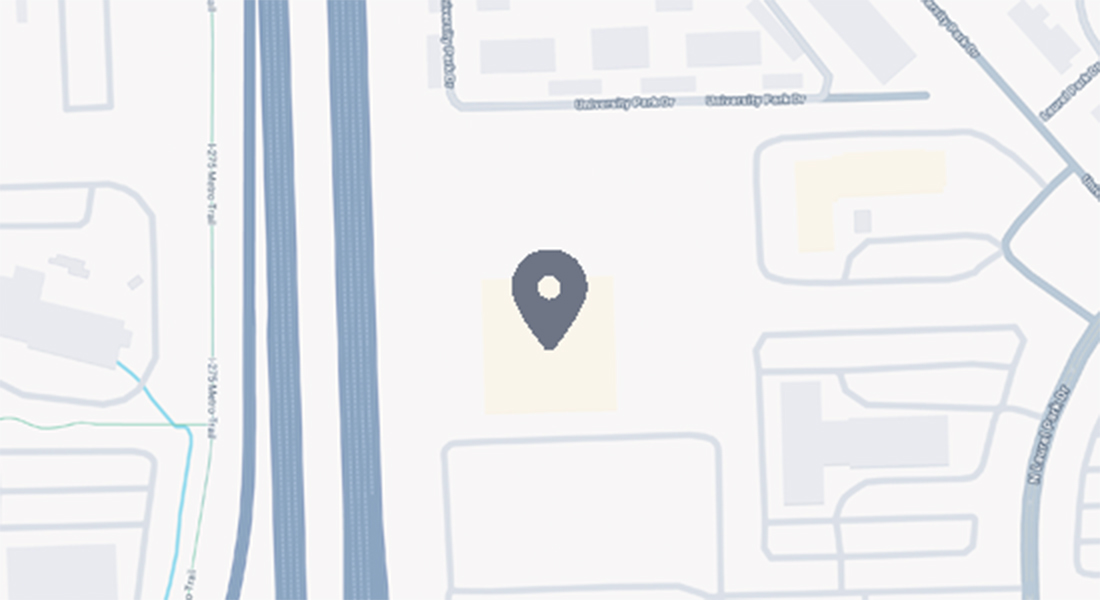
Fighting for injury victims across Michigan, proudly serving clients statewide from our office in Livonia.