Dedicated to Justice.
Devoted to You.
Winning for Your Future.
Devoted to You.
Winning for Your Future.


In September 2025, federal investigators reported that nursing homes failed to record in required federal assessments 43 percent of serious falls, falls with a major injury that put a Medicare resident in the hospital, according to the HHS Office of Inspector General. Families are often the last to learn what happened. If your loved one died in a Michigan nursing home and the explanation never quite added up, that instinct deserves a careful look at the records.
Our wrongful death attorneys investigate nursing home deaths across Michigan, from the facility’s own chart to the state inspection history the family was never shown. Call (734) 469-4994 for a free, confidential consultation, any hour. You pay no attorney fee unless we recover compensation for your family.
Fatal nursing home neglect rarely looks like a single dramatic event. More often it is understaffing, missed checks, and small failures compounding. The deaths we investigate most often involve:
Each of these leaves a paper trail: care plans, nursing notes, medication records, staffing schedules, and state survey reports. Reading that record carefully is how a family’s suspicion becomes a case, or is put to rest with a clear conscience.
Neglect is measured against enforceable standards. Michigan’s Public Health Code licenses nursing homes and gives residents statutory rights to adequate and appropriate care, dignity, and freedom from abuse and neglect under MCL 333.20201. Michigan also sets a staffing floor: under MCL 333.21720a, a nursing home must provide at least 2.25 hours of nursing care per resident per day, with minimum staffing ratios on each shift and licensed nurse coverage around the clock. Federally certified facilities must also meet the federal Nursing Home Reform Act requirements: comprehensive care plans, sufficient staffing, and quality-of-care standards addressing pressure ulcers, falls, and nutrition. A 2024 federal rule that would have raised national staffing minimums was struck down in court and later repealed, so these baseline standards, and the facility’s own assessments and care plans, are what conduct gets measured against.
When a facility misses those marks, and a resident dies, the violations become important evidence, alongside the facility’s public inspection history and its federal Care Compare ratings, though a citation by itself does not decide a lawsuit. What the records often show is that understaffing was a staffing-budget decision made well above the nursing station. In July 2025, Michigan’s Attorney General announced a $4.5 million settlement with a group of Detroit-area nursing homes over allegations of that pattern: insufficient staffing, untreated infections, falls, and pressure ulcers. The facilities denied the allegations.
Michigan law treats nursing home death cases in a way that catches even lawyers off guard. Under Michigan Supreme Court precedent, a claim against a nursing home may be ordinary negligence or medical malpractice, depending on whether the specific failure involved professional medical judgment within the caregiving relationship, or something a jury can evaluate on common sense.
The difference is not a technicality. A malpractice claim carries a shorter limitations period, generally two years instead of three, a mandatory pre-suit notice of intent, an affidavit of merit from a qualified professional, and Michigan’s cap on non-economic damages. An ordinary negligence claim carries none of those. Most fatal neglect cases involve failures of both kinds, analyzed failure by failure, so we plead and calendar these cases to satisfy the stricter track from the start; guessing wrong on the label can end a valid claim before it begins. Our medical malpractice wrongful death page explains the malpractice-side rules in depth.
The wrongful death act, MCL 600.2922, governs both paths: only the court-appointed personal representative of the estate can file, the family members who may share in a recovery are defined by statute, and the court approves the final distribution. Recoverable damages include medical, funeral, and burial expenses, the conscious pain and suffering your loved one endured, the family’s loss of society and companionship, and lost financial support where it exists, and it exists more often than insurers admit, because many residents still contributed money, childcare, and family services. When the defense argues an elderly resident’s case is small, Michigan’s damages categories say otherwise: the loss the statute compensates is measured by what the person meant to the people who loved them, not by a paycheck.
One more thing families should know: any settlement funds are subject to Medicare or Medicaid repayment claims, which nearly every nursing home case involves, and resolving those liens correctly is part of what determines what your family actually receives.
Somewhere in the admission paperwork, many families signed an arbitration agreement. Do not assume it ends the case. For federally certified nursing homes, federal rules prohibit requiring arbitration as a condition of admission and guarantee a 30-day rescission window, and whether the person who signed had legal authority to bind the resident is a genuine question in many families. Arbitration clauses can and do fail on these grounds. Bring the admission packet to the consultation; reviewing it is part of the free case evaluation, and we treat it as an obstacle to work through, not a reason to turn a family away.
Request the complete chart in writing as soon as possible, or let us do it: nursing notes, care plans, medication and treatment records, incident reports, and wound photographs. Photograph any visible injuries and the room conditions if you can. Write down names, conversations with staff, and the timeline while memory is fresh, and keep every text and voicemail from the facility.
Report your concerns to Michigan’s licensing agency, LARA, whose survey bureau investigates nursing home complaints, and to the Attorney General’s elder abuse resources when abuse is suspected. A state investigation is not a substitute for a civil case, but it creates findings that matter. Then have the case reviewed early: if the malpractice rules apply, the clock may be shorter than you think, and an estate must be opened before anyone can sue. We handle the probate steps, the records fight, and the deadlines so your family does not carry them.
Nursing home cases are document cases, and we treat them that way: full chart review with medical experts, staffing analysis against Michigan’s statutory minimums and the facility’s own federal staffing reports, the survey and citation history, and where the record supports it, the corporate decisions behind the neglect. We handle the estate steps and the two-track pleading questions so the family does not have to learn probate law and malpractice procedure while grieving. And we are honest at every stage, including when the evidence shows a death that care could not have prevented.
Founding partners Kara E. Weisman and Jordan S. Vahdat have each been honored as Super Lawyers Rising Stars, and our attorneys are members of the State Bar of Michigan and active in the Michigan Association for Justice. We advance case costs and serve families across Michigan from our Livonia office, with phones answered 24/7, in English and Spanish.
You trusted a facility with someone you love. If that trust was betrayed, your family deserves answers and accountability. Call Vahdat Weisman Law at (734) 469-4994 or contact us online for a free, confidential consultation. Available 24/7, serving all of Michigan, with Spanish-speaking staff.
Dedicated to Justice. Devoted to You. Winning for Your Future.
This information is for educational purposes only and does not constitute legal advice. Every case is unique, and prior results do not guarantee future success.




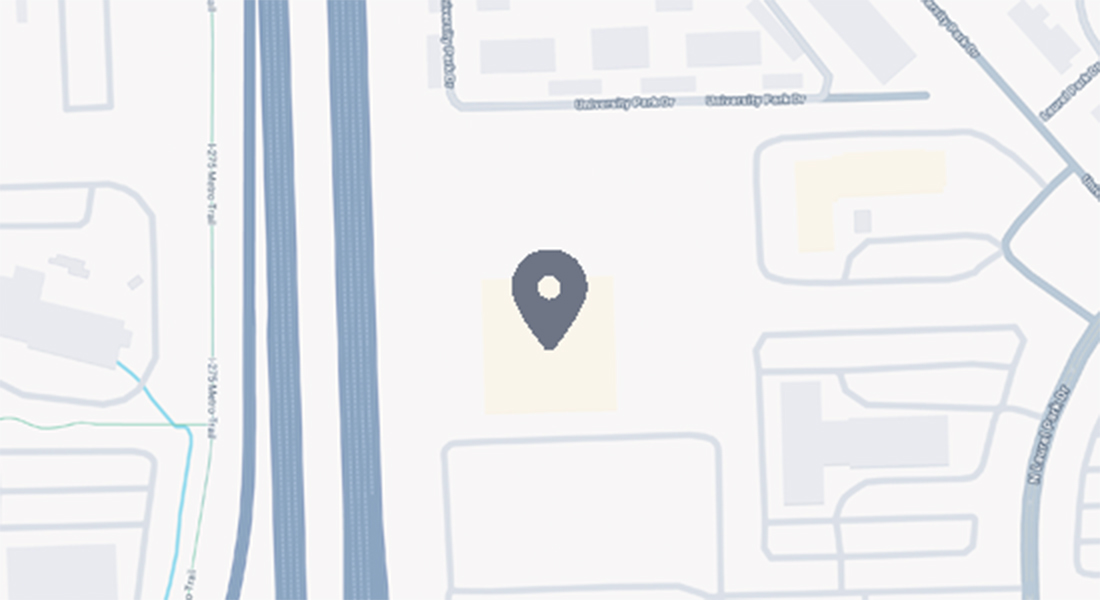
Fighting for injury victims across Michigan, proudly serving clients statewide from our office in Livonia.