Dedicated to Justice.
Devoted to You.
Winning for Your Future.
Devoted to You.
Winning for Your Future.


When people say “property damage,” they often have a specific example of something in mind: damage to their car in a crash, a broken cell phone that flew from the cupholder in a collision, the garage door someone backed into, and so on. Under Michigan law, the term “property damage” is similarly broad. At Vahdat Weisman Law, our property damage claims attorneys are focused on delivering clear guidance, prompt action, and favorable results.
The term “property damage” generally means any tangible loss to things you own:
Michigan law allows you to claim both the reasonable cost to repair or replace and, where repairs are feasible, any diminished market value that remains afterward.
Michigan is a no-fault state, so your insurer usually covers collision or limited collision repairs (if you purchased that coverage). You may also seek up to the statutory “mini-tort” cap from the at-fault driver for damage not covered by your policy (like your deductible).
Under MCL 500.3135(3)(e), you may sue an at-fault driver for uninsured vehicle damage up to $3,000 for crashes occurring on or after July 1, 2020. To prevail on such a claim, the following rules apply:
Depending on the circumstances of your case and the specific type of claim you are making, you have anywhere between one year and three years to pursue your case:
| Claim Type | Deadline | Statute | Practical Tips |
| General negligence and property damage | 3 years from the collision date. | MCL 600.5805(2) | Determine the deadline immediately because extensions are rare. |
| First-party no-fault benefits (car repairs via your own PIP carrier) | Written notice within 1 year and lawsuit within 1 year of the most recent expense or loss. | MCL 500.3145(2) | Send the notice via certified mail for proof. |
| Contract claim against your homeowner’s and automobile carrier | 6 years after the contract breach. | MCL 600.5807(9) | Policies often shorten the deadline to 1 year, so check the fine print. |
| Claims against the State of Michigan | Notice and file within 1 year. | MCL 600.6431(1) | Special forms and venue rules apply. |
Failing to meet a deadline almost always bars recovery. Put reminders in your calendar, gather documents early, and, if any limitation is looming, consult counsel immediately.
You must consider several factors when answering this question:
Strategically, many clients file through their carrier, repair the vehicle, and then pursue a mini-tort claim for out-of-pocket expenses.
Yes, but only in limited circumstances. Courts may award the post-repair loss in market value if repairs cannot restore the item to its pre-loss condition. Independent appraisals, ideally from licensed dealers or certified adjusters, strengthen the claim for diminished value. In practice, insurers negotiate diminished-value claims more often for late-model or specialty vehicles where a measurable resale stigma exists.
You should gather any evidence you think is relevant. But the most common evidence we are looking for includes the following:
Michigan uses modified comparative negligence. This means that as long as you are 50% or less at fault, your economic property damage recovery is only reduced by your percentage of fault. At more than 50% fault, however, you lose the portion above the mini-tort cap against other drivers and may collect only from your policy, subject to your deductible.
If you are involved in a hit-and-run collision or a collision with an uninsured motorist, there are numerous considerations involved:
Timely police reports and prompt notice to your insurer are essential in these unique situations.
Personal property is typically excluded from automobile physical damage coverage. You may, however, claim it under
It is critical that you document ownership and value with receipts or online listings.
It never hurts to contact Vahdat Weisman Law. You might think you can handle your case on your own because your potential recovery is limited. That may be true. But if the opposite is true, a few minutes for one phone call is definitely worth it. You want to be sure to contact experienced counsel if any of the following are true:
Early legal guidance shapes the investigation, preserves evidence, and positions your claim for full recovery.
We offer free initial consultations and often accept motor vehicle property claims on a contingent fee or hybrid fee structure. If your case involves only a minor tort dispute, a flat-fee or hourly arrangement may make more financial sense for you. We tailor fee agreements to the scope of work and the dollars at stake. But they are always in writing and comply with Michigan Rules of Professional Conduct.
There are at least five things you can expect in every property damage case:
Open communication and organized documentation accelerate the process at every stage.
Yes. Michigan law recognizes “loss of use” damages when the item is reasonably necessary for daily life or business. Provide rental receipts or, if you could not rent, evidence of the fair market rental value of your lost use. Insurers may dispute luxury upgrades or extended rental periods. But prompt repairs and a clear justification (such as work commute or medical appointments) can bolster the reimbursement argument.
A property damage claim may seem straightforward until valuation disputes, overlapping coverages, and statutory deadlines intersect. A brief, well-timed consultation can reveal overlooked losses and prevent costly procedural missteps. Call Vahdat Weisman Law at (734) 469-4994 or fill out our online form for a free case review today.
Disclaimer: This information is for educational purposes only and does not constitute legal advice. Every case is unique, and prior results do not guarantee future success.


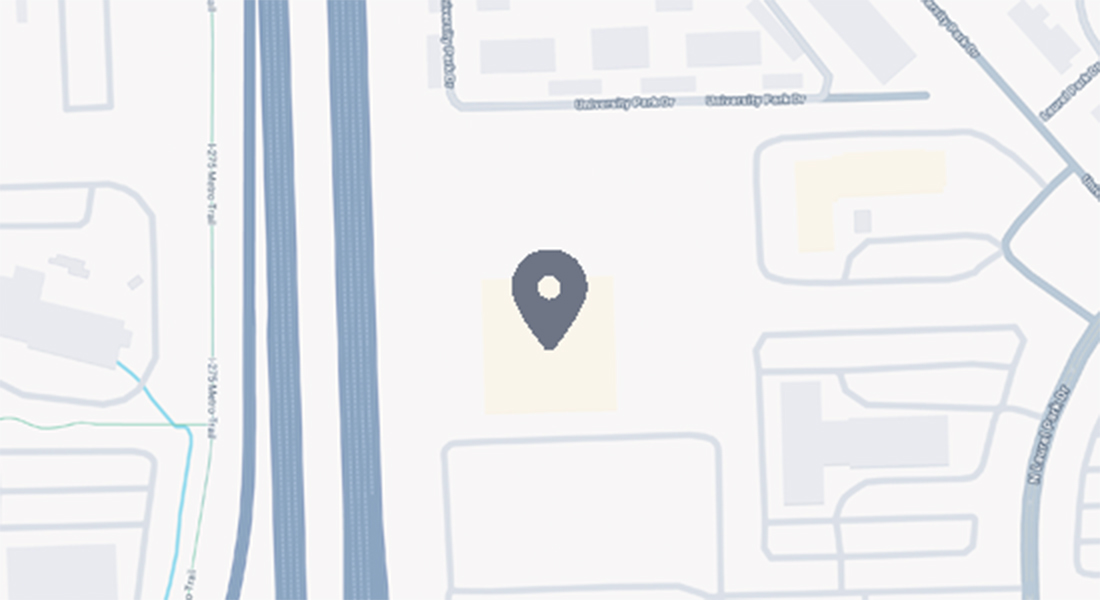
Fighting for injury victims across Michigan, proudly serving clients statewide from our office in Livonia.