Dedicated to Justice.
Devoted to You.
Winning for Your Future.
Devoted to You.
Winning for Your Future.


A large share of sexual assaults happen at or near the victim’s own home. When an assault occurs in an apartment building, a rental house, or a complex’s parking lot or laundry room, survivors are often told the landlord has nothing to do with a criminal’s choices. Sometimes that is true. But Michigan law recognizes real duties that property owners owe the people who live in and visit their buildings, and when an assault traces back to a broken entry lock, a master key in the wrong hands, or warnings the management office ignored, the owner’s own failures are part of what happened.
Vahdat Weisman Law sexual abuse victim attorneys represent survivors of sexual assault in rental properties across Michigan, in claims against attackers and, where the facts support it, against the owners and management companies. Call (734) 469-4994 for a free, confidential consultation, any hour. You pay no attorney fee unless we recover compensation.
The limits come first. Michigan courts hold that landlords, like other businesses, generally have no duty to anticipate and prevent third-party criminal acts, and no obligation to provide guards or turn a building into a fortress. A landlord is not automatically liable because a crime happened on the property. Successful cases rest on duties Michigan law actually imposes.
The building itself. Under MCL 554.139, landlords covenant that the premises and all common areas are fit for their intended use and that the premises are kept in reasonable repair. An entry door whose lock has been broken for months, a security gate that stands open, burned-out lighting in the corridors and lots, windows that will not latch: these are conditions of the property, squarely within the landlord’s control, and Michigan courts have long recognized claims where an intruder’s access ran through defective locks and dark entryways. These statutory covenants are separate from ordinary premises liability, and while a lease of at least a year can modify some of them, Michigan’s Truth in Renting Act restricts the clauses landlords may use, so what your lease actually says needs a lawyer’s read, not the management office’s summary.
The response to danger. Under the Michigan Supreme Court’s decision in Bailey v. Schaaf, a landlord on notice of a situation in its common areas that poses a risk of imminent and foreseeable harm to identifiable people must reasonably expedite police involvement. A management office or security desk told, “he is threatening people in the courtyard right now,” that does nothing is on the wrong side of a duty Michigan’s highest court has spelled out. The duty is specific and narrow, which is exactly why the notice evidence matters so much.
The people it hires. Maintenance staff, leasing agents, and contractors hold keys to your home. Michigan law does not make a landlord automatically answer for an employee’s assault, and the courts require a meaningful connection between what the employer knew and the kind of harm that followed. But an employer that kept a worker with master-key access after tenants reported him entering units unannounced, or that ignored complaints of harassing conduct, faces claims for its own negligence in hiring, retention, and supervision. Whether screening was reasonable for someone being handed keys to occupied homes is part of that analysis. In these cases, the employment file and the complaint log carry most of the weight.
Rental properties generate the kind of evidence that proves notice and access, and most of it is on a schedule. Surveillance video from entrances, hallways, and lots often records over itself within days to weeks. Key-fob and access logs show which doors opened when, and with whose credentials. Work-order systems show when the lock was reported broken and how long it stayed that way. Complaint logs, incident reports, prior police runs to the property, and the employment file of any staff member involved complete the picture, and police dispatch records can prove what management knew about crime at the property even when its own files are thin. Tenants almost never hold this evidence; landlords do. A preservation letter in the first days puts the owner on legal notice, and what happens to the records afterward has consequences in court.
What you control matters too: photographs of the broken lock or dark hallway as they actually were, your own texts and emails to management, names of neighbors who complained before you, and if the assault was recent, a forensic exam within Michigan’s 120-hour window, which preserves evidence, costs you nothing directly, and requires no police report.
The person who committed the assault can be sued, and Michigan gives survivors of criminal sexual conduct ten years, longer for those assaulted as minors, with no conviction required. As a practical matter, though, individual attackers rarely have the assets to answer for the harm, and insurance excludes intentional acts. The owner’s and manager’s liability policies respond to negligence claims, which is why the premises case is usually what makes a recovery real. Claims against owners and managers can be governed by different, sometimes shorter periods than the ten-year statute, so treat the shortest plausible clock as the controlling one until a lawyer maps your dates. The defendant list follows possession and control rather than the name on the sign: the ownership entity, the management company, a security contractor whose role the contracts define, and where a staff member was the assailant, the employer that gave him keys.
One more thing the defense will do: point at the attacker and ask the jury to put all the fault on him. Michigan allocates fault among everyone responsible, including nonparties, so part of building the premises case is showing that the owner’s specific failures were a substantial cause of the access, not background noise.
Tenants are not the only people protected. Guests, subsidized-housing residents, and short-term occupants have claims too, though the duties owed can differ with the relationship, and immigration status does not bar a civil claim.
Therapy and medical care, moving costs when staying is unbearable, lost work and education, and the assault itself, including the loss of safety in your own home. Many clients also face a practical bind, wanting to leave the building where it happened. Michigan law gives tenants a specific exit: MCL 554.601b allows a tenant with a reasonable apprehension of present danger from sexual assault to end lease obligations with written notice by certified mail and qualifying documentation, and it restricts the landlord from disclosing your forwarding address. Raise it in the first call so it is done correctly. Michigan’s Crime Victim Compensation program can also help with counseling and medical costs; it has reporting and filing requirements of its own.
These cases turn on records only the landlord holds, so we move first on preservation, then build the notice timeline complaint by complaint, work order by work order. We handle the criminal case’s interaction with the civil claim, we ask the court for pseudonym protections where the rules allow, and we treat your privacy and your pace as part of the case plan. Founding partners Kara E. Weisman and Jordan S. Vahdat have each been honored as Super Lawyers Rising Stars, and our attorneys are members of the State Bar of Michigan and active in the Michigan Association for Justice. We advance case costs, we are available 24/7, and we serve clients in English and Spanish from our Livonia office. Related pages: drug-facilitated sexual abuse, hotel sexual assault, and college and campus sexual assault for student housing.
You were entitled to a building that worked and a landlord who listened. If either failed you, we will tell you honestly what the records show and what can be done about it. Call Vahdat Weisman Law at (734) 469-4994 or contact us online for a free, confidential consultation. Available 24/7, serving all of Michigan, with Spanish-speaking staff.
Dedicated to Justice. Devoted to You. Winning for Your Future.
This information is for educational purposes only and does not constitute legal advice. Every case is unique, and prior results do not guarantee future success.




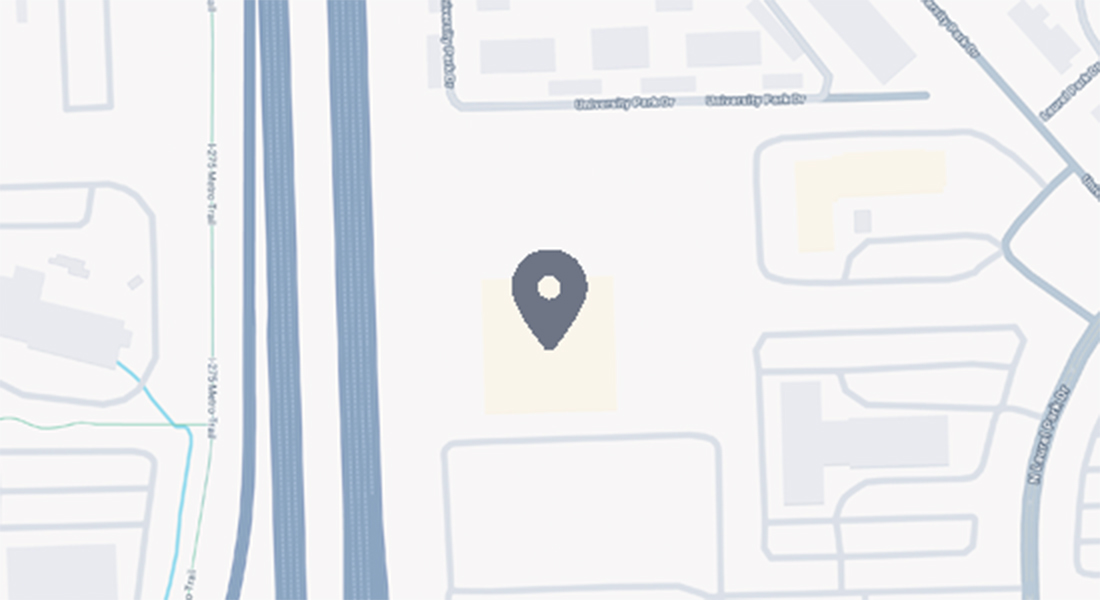
Fighting for injury victims across Michigan, proudly serving clients statewide from our office in Livonia.