Dedicated to Justice.
Devoted to You.
Winning for Your Future.
Devoted to You.
Winning for Your Future.


In the largest college-based survey of its kind, more than one in four undergraduate women reported nonconsensual sexual contact by force or while unable to consent, and 13 percent of all students did. Michigan’s own campuses carry some of the country’s most painful examples. Michigan State’s settlement with survivors of Larry Nassar reached $500 million. The University of Michigan paid roughly $490 million to survivors of Dr. Robert Anderson. Eastern Michigan University agreed to pay $6.85 million to settle two federal Title IX lawsuits brought by 24 students who said the school mishandled their reports of assaults by fellow students.
If it happened to you or your child at a Michigan college, one fact should shape everything that follows: when the school is a public university, some of the deadlines are measured in months, not years. Vahdat Weisman Law sexual abuse victim attorneys represent survivors of campus sexual assault throughout Michigan, in claims against attackers and against the institutions that failed to prevent them. Call (734) 469-4994 for a free, confidential consultation, any hour. You pay no attorney fee unless we recover compensation.
The person who committed the assault can be sued directly. Michigan gives survivors ten years to bring civil claims arising from criminal sexual conduct, longer for those assaulted as minors, and no criminal charge or conviction is required. An individual defendant often lacks the resources to answer for the harm, though, so the legal work in campus cases usually centers on the institutions around the assault.
The university itself. A school is not automatically liable because an assault happened on its campus. Liability grows out of what the school knew and what it did: complaints about the same person that went nowhere, an employee kept in a position of access after warnings, a disciplinary process that returned a known assailant to the dorm where his victim lived, security failures in university housing. Different facts support different legal theories, and for Michigan’s public universities, the first question is not negligence at all. It is governmental immunity, the set of statutes that shields state institutions from many ordinary lawsuits and channels money claims into the Michigan Court of Claims under strict procedural rules. Building a claim that gets past immunity, on the right theory, in the right court, is much of what a campus case is.
Federal claims. Title IX allows money damages against a federally funded school, but only on a demanding standard: an official with authority to act must have had actual notice and responded with deliberate indifference. For assaults by other students, the Sixth Circuit, which covers Michigan, has added a further requirement in its Kollaritsch decision involving Michigan State: after the school was on notice, its unreasonable response must have caused further actionable harassment, not just the fear of it. And the U.S. Supreme Court held in Cummings that emotional distress damages are not available under Title IX, which makes the recoverable damages largely economic and educational, and makes parallel state-law claims matter more, not less. A separate federal civil rights claim can reach individual employees who violated a student’s right to bodily integrity, though those employees often raise qualified immunity defenses.
Fraternities, landlords, and contractors. A large share of campus-connected assaults happen off campus, at fraternity houses, in student apartments, at parties. Fraternity chapters, private landlords who ignored broken locks and door propping, and outside companies running campus programs are not protected by the Court of Claims statute, and claims against them proceed like other Michigan negligence cases. National fraternity organizations can also be defendants, though their liability turns on how much control they actually exercised over the chapter, and the evidence for that lives in risk-management policies, event rules, and discipline records. Where a licensed bar served a visibly intoxicated person or a minor, Michigan’s dram shop law provides a claim with its own strict rules, including notice within 120 days of retaining a lawyer. Our apartment sexual assault page covers housing claims in detail.
Michigan’s public universities are state institutions, and state-law money claims against them belong in the Michigan Court of Claims, where a statute requires a verified claim or notice of intent within one year, and for personal injury claims, within six months of the event giving rise to the claim. The notice must be signed and verified before an officer authorized to administer oaths and must contain specific information, and courts have dismissed survivors’ cases for getting it wrong. Filing the notice does not by itself defeat the university’s immunity; it preserves the right to try. Lawmakers have repeatedly introduced bills to lift these requirements and the immunity defense for sexual assault claims, and as of this writing they have not become law. Tolling rules can extend some deadlines for survivors who were minors or legally incapacitated, which is one more reason the dates need a lawyer’s analysis rather than an assumption.
The practical advice follows directly: if a Michigan public university may bear responsibility for what happened, talk to a lawyer within weeks. Title IX claims borrow Michigan’s three-year personal injury period and run on federal accrual rules, and claims against private universities, fraternities, and landlords are not subject to the Court of Claims statute at all, which is exactly why the case needs someone who can sort the defendants and calendar every deadline separately. One caution about older assaults: a 2024 Michigan Supreme Court decision held that the extended limitations periods do not revive claims that had already expired before June 12, 2018, while a 2026 Court of Appeals decision confirmed that survivors assaulted as minors whose claims were still alive on that date can use the extension to age 28. Whether an older claim survives requires a careful, date-specific analysis.
Universities investigate sexual assault through their Title IX offices, and that process can produce protective measures that matter right now: a no-contact order, a dorm change, class schedule changes, interim suspension of the person who assaulted you. Those measures are worth pursuing. But the campus process cannot award you damages, its findings are not a court judgment, and the school is investigating, in part, its own exposure. You do not have to choose between the campus process, a police report, and a civil case. They can run together, and a lawyer keeps the statements you make in one from being used to distort another. When a criminal prosecution is active, the civil case may also need to be paced around it, and that sequencing is a strategic decision, not an accident.
The same goes for evidence. A forensic exam within Michigan’s 120-hour window preserves evidence without requiring you to decide anything about charges that day, and its direct costs are not billed to you. Campus and party assaults also generate records that decide cases later: texts and social media messages, dorm access logs, party invitations, rideshare receipts, the memory of the friend who walked you home. Save what you control, and let a lawyer send preservation demands for what the school controls, including the respondent’s disciplinary file, Title IX complaint records, and campus crime logs the school is required to keep under the federal Clery Act, before routine retention periods erase them.
A civil recovery can pay for therapy, medical and psychiatric care, tuition lost to a withdrawn semester, the cost of transferring schools, diminished earning capacity when an education is derailed, and the fear and humiliation that never show up on a receipt. Where alcohol was deliberately used to incapacitate, or drugs were involved, our drug-facilitated sexual assault page explains how those facts change the case. Michigan’s Crime Victim Compensation program can also help with counseling and medical costs; it generally requires that the crime be reported and that you cooperate with the process, and a forensic exam can satisfy the reporting requirement in some circumstances.
Not every campus assault supports a case against the university. A school whose first notice was your report, and that responded promptly and reasonably, may have no liability for its response, though its earlier failures, in hiring, in security, in handling prior complaints, can still be examined. When the institutional case is not there, we say so, and we look hard at the other defendants, because the perpetrator, a fraternity, or a landlord may still bear responsibility.
Campus cases mix federal and state law, a six-month notice statute, an internal university process, and a client who is usually still living inside the community where it happened. We move quickly on the deadlines, we deal with the university and its lawyers so you do not have to, and we ask the court for pseudonym protections where the rules allow. Founding partners Kara E. Weisman and Jordan S. Vahdat have each been honored as Super Lawyers Rising Stars, and our attorneys are members of the State Bar of Michigan and active in the Michigan Association for Justice. We advance case costs, we are available 24/7, and we serve clients in English and Spanish from our Livonia office. Related pages: school and teacher sexual abuse for K-12 cases, and apartment sexual assault.
You went to school to build a future, and what happened should not be allowed to quietly close that door. Call Vahdat Weisman Law at (734) 469-4994 or contact us online for a free, confidential consultation. Available 24/7, serving all of Michigan, with Spanish-speaking staff.
Dedicated to Justice. Devoted to You. Winning for Your Future.
This information is for educational purposes only and does not constitute legal advice. Every case is unique, and prior results do not guarantee future success.




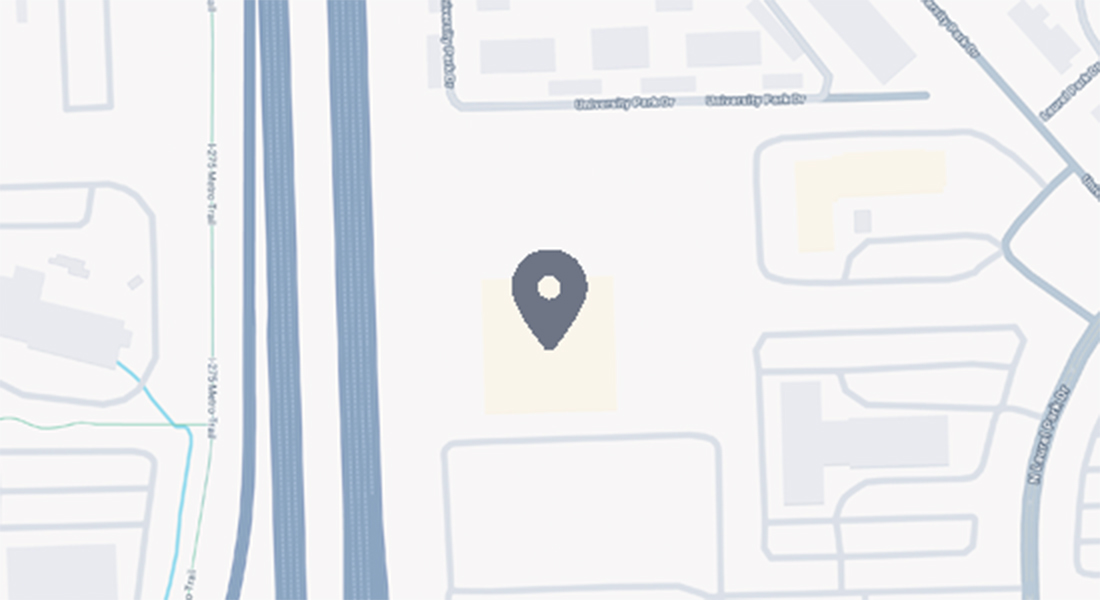
Fighting for injury victims across Michigan, proudly serving clients statewide from our office in Livonia.