Dedicated to Justice.
Devoted to You.
Winning for Your Future.
Devoted to You.
Winning for Your Future.


You trusted a nursing home to care for someone you love, and now something is wrong: a pressure sore that should not have happened, a fall no one can explain, a sudden weight loss, a once-talkative parent or spouse gone quiet and withdrawn. These are not always the inevitable signs of aging. They are often the result of neglect, and when a family senses that something is off, it is worth finding out why.
Vahdat Weisman Law represents nursing home residents and their families in Livonia and across Michigan. Our personal injury attorneys hold facilities accountable when understaffing, carelessness, or abuse harms the people in their care.
Nursing homes are heavily regulated, and those rules set the standard of care to which a family can hold them. The federal Nursing Home Reform Act requires any home that accepts Medicare or Medicaid to help each resident reach and keep their highest practicable level of well-being, and it guarantees a Residents’ Bill of Rights, freedom from abuse, neglect, and unnecessary physical or chemical restraints, dignity and privacy, and a voice in care decisions. Michigan’s Patient Bill of Rights, MCL 333.20201, echoes those protections and bars retaliation against a resident or family who speaks up. These standards usually are not enforced by suing under the federal act itself, which generally allows suits only against government-run homes; instead, a violation supports a claim under Michigan’s own negligence, malpractice, and wrongful death law, where the rules and citations become powerful proof of what the facility should have done.
Most serious nursing home harm is preventable with proper care, and understaffing is frequently at the root of it. The warning signs include pressure sores, which are largely preventable with proper repositioning and nutrition, repeated falls and unexplained fractures, dehydration and malnutrition, untreated infections that progress to sepsis, medication errors, and residents wandering away, called elopement, who should have been supervised. Abuse can be physical, sexual, or emotional, and financial exploitation is sadly common. Withdrawal, fear of certain staff, poor hygiene, and an unsafe room are all reasons to look more closely. Not every decline is neglect; some problems happen despite reasonable care, but an honest investigation is the only way to tell the difference.
This is the issue that shapes a Michigan nursing home case more than any other. Not every claim against a facility is treated the same way. Under the Michigan Supreme Court’s decision in Bryant v. Oakpointe Villa Nursing Center, a claim is medical malpractice only if it both arose within the professional care relationship and turns on a question of medical judgment beyond ordinary common knowledge. A claim an ordinary person could evaluate with common sense is treated as ordinary negligence.
The difference is enormous. A malpractice claim carries a shorter two-year deadline, a required pre-suit notice and 182-day waiting period, a sworn affidavit from an expert who matches the defendant’s specialty, and a statutory cap on pain-and-suffering damages, a cap that applies even when the neglect caused death. An ordinary negligence claim has a three-year deadline, none of those pre-suit hurdles, and no such cap. A single event can hold both: in Bryant, the failure to properly assess and train was malpractice, but the staff’s failure to act after they recognized a resident was in immediate danger was ordinary negligence. Sorting each claim into the right category, and stopping a facility from forcing a straightforward neglect case into the malpractice box with its caps and hurdles, is central to what we do.
These cases are won on records the facility would rather you not see. State inspectors document violations on a form known as a 2567 statement of deficiencies, and federal “F-tag” citations, for accidents and supervision, pressure ulcers, abuse, or care-planning failures, can show a pattern of problems. Inside the chart, the resident’s required assessments and individual care plan, the medication and treatment records, the repositioning and wound logs, and the electronic record’s audit trail tell what was actually done. And the facility’s staffing data, which homes must report to the government, often reveals that there were simply not enough caregivers on the floor. We move to obtain and preserve all of it before it can be lost.
Behind many neglect cases is a corporate structure built for profit, not care. National chains and private-equity owners sometimes run facilities lean, keeping staffing low while routing money to affiliated management, real estate, and supply companies, leaving the home that provides care thinly funded. Holding only the bedside facility responsible can miss the decisions that actually caused the harm, so we trace ownership and control to the companies whose budget and staffing choices set the conditions.
The admission packet your family signed likely contained an arbitration agreement meant to keep any future dispute out of court and away from a jury. Be realistic: under federal law these agreements are often enforced, so this is not a clause to wave away. But there are real ways to challenge one, whether the person who signed actually had legal authority to bind the resident, whether the resident had the capacity to agree, and whether the facility improperly made signing a condition of admission, which federal rules forbid. We get the admission paperwork early and analyze it closely rather than assume the courthouse door is closed.
Too many of these cases end in a preventable death, from sepsis, a fall, dehydration, or choking. Michigan’s wrongful death act lets the family pursue a claim through the personal representative of the estate for the loss of their loved one and for the suffering before death, and a special saving provision can preserve the claim for a period after a personal representative is appointed even when the ordinary deadline is near. We handle these matters with the care a grieving family deserves while holding the facility fully accountable.
If a resident is in immediate danger, call 911. Concerns can be reported to Michigan’s licensing agency, which surveys and investigates nursing homes, and to Adult Protective Services. Certain professionals are legally required to report suspected abuse or neglect of a vulnerable adult. For any future claim, preserve what you can: take dated photographs of injuries and conditions, keep a written timeline, save names and dates, request the resident’s records, and avoid signing any new release or arbitration form after an incident. We can guide you through each step.
We obtain and analyze medical records, care plans, staffing data, and survey history; classify each claim correctly so a facility cannot hide neglect behind malpractice limits; trace responsibility up to the corporate owner; and meet every deadline. From our Livonia office, attorneys Jordan S. Vahdat and Kara E. Weisman handle nursing home abuse and neglect claims for clients across Metro Detroit and the rest of Michigan on a contingency-fee basis, so there is no attorney fee unless we recover for you.
Vahdat Weisman Law is a personal injury firm based in Livonia, Michigan, representing injury victims and their families throughout the state. Our attorneys, Jordan S. Vahdat and Kara E. Weisman, bring courtroom experience, a record of meaningful results, and a hands-on approach to investigation and case strategy. We prepare every matter as if it will go to trial, which positions clients for stronger settlements and protects their rights if litigation becomes necessary.
We handle nursing home abuse and neglect claims on a contingency-fee basis, which means there is no attorney fee unless we recover compensation for you. From our Livonia office we serve clients across Metro Detroit and the rest of Michigan, and we explain every step in plain language so you can make informed decisions about your case.
If you suspect a loved one has been abused or neglected in a nursing home, contact Vahdat Weisman Law in Livonia today at (734) 469-4994 for a free, confidential consultation. Reach out through our contact page to tell us what happened and learn about your options. There is no cost to speak with us about your potential claim.
Disclaimer: This information is for educational purposes only and does not constitute legal advice. Every case is unique, and prior results do not guarantee future success.




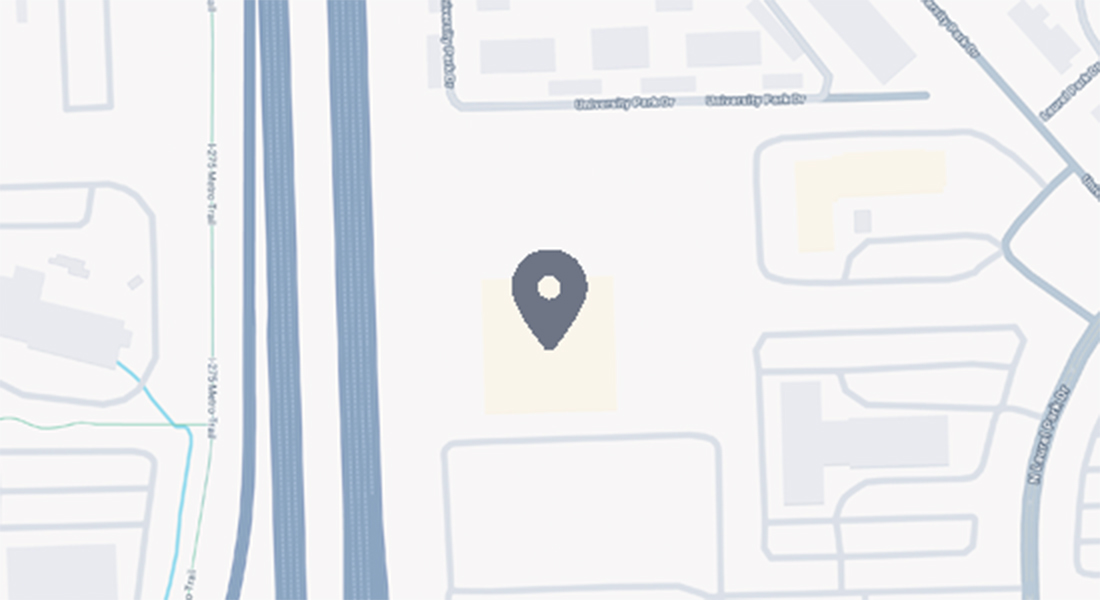
Fighting for injury victims across Michigan, proudly serving clients statewide from our office in Livonia.